
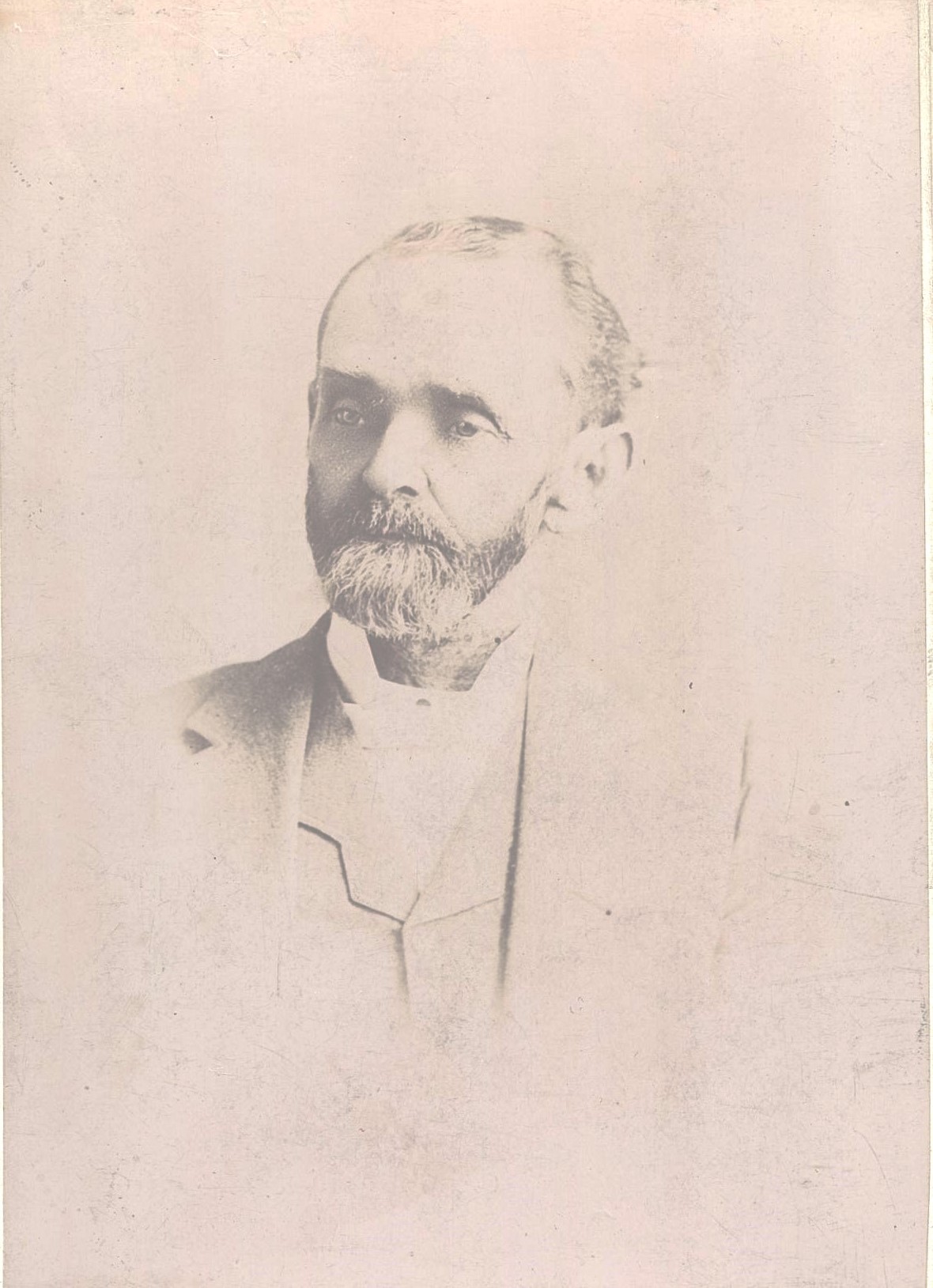
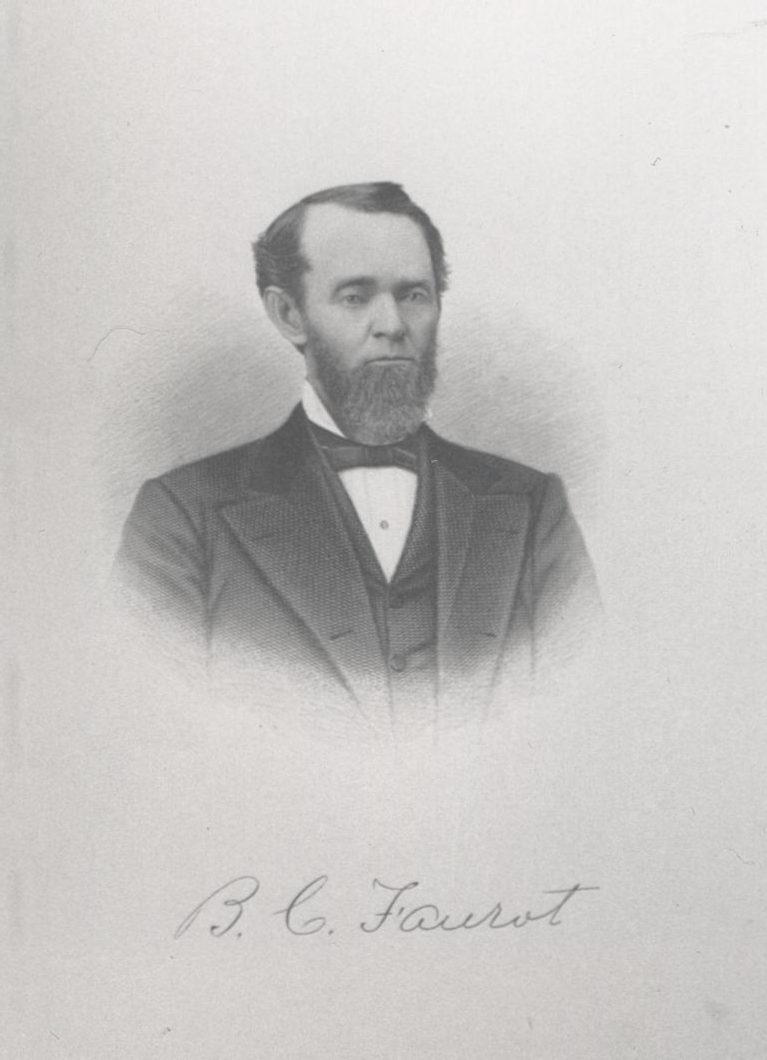
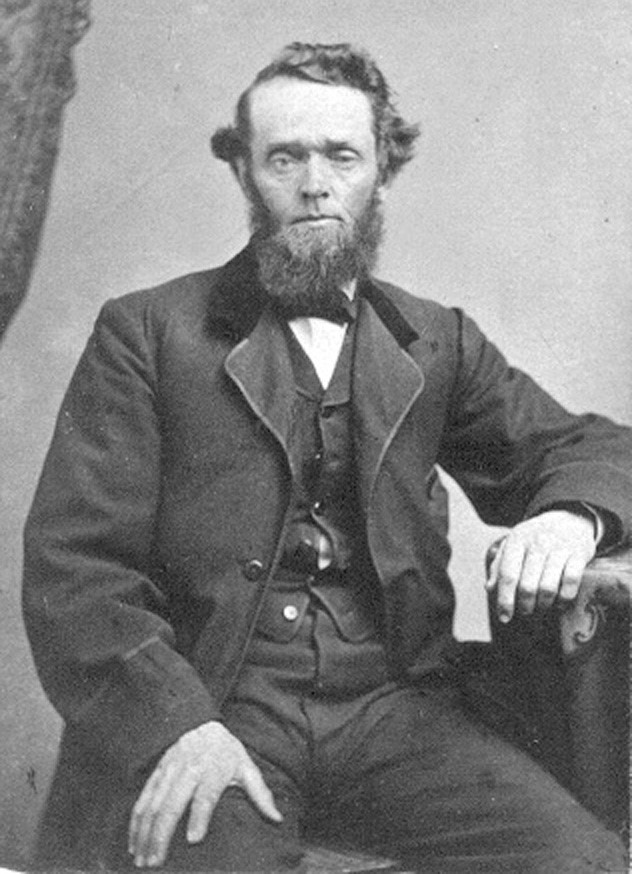
“Benjamin C. Faurot, sometimes called Ben Faurot, but more generally known as B. C. Faurot, was an outstanding man of many qualities, some peculiarities and a number of inconsistencies.”[1]
This quote from one of Faurot’s biographers exemplifies his uniqueness as one of the most important figures in Allen County History. This article will cover his life from birth until the late 1880s—from the start of Faurot’s career until he became a millionaire at the age of sixty.[2] This month’s article will delve into his multiple businesses, everything from park planning to a strawboard mill. Next month’s article will focus on Faurot’s later business ventures, including railroads, and the end of his long and impactful life. Benjamin Faurot, a man of complexities, helped turn Lima into a city of prominence in Ohio.
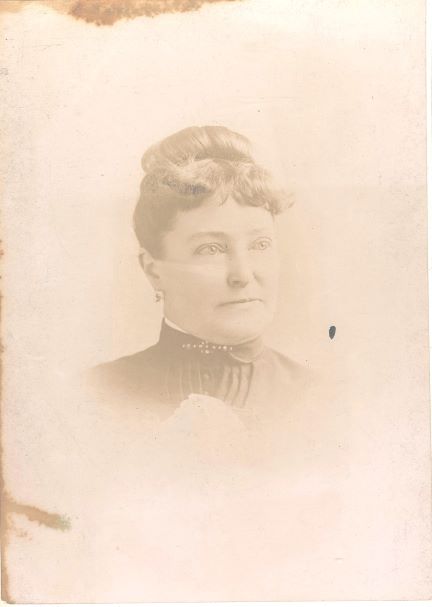
Benjamin Carl Faurot was born on October 29, 1829, in New York.[3] His parents were David and Elanor Kishler Faurot; David was a farmer.[4] The family moved to Marion County, Ohio when Faurot was still a child,[5] and a short time later they moved to Kenton, Ohio.[6] In the Faurot family, schooling was not valued as much as farm work and making your own way in life.[7] Thus, at the age of seven, after only one year of formal education, Faurot began working on his father’s farm.[8] It must be noted that even though Faurot’s formal education was severely neglected, he educated himself on business, trade, banking, and manufacturing throughout his life.[9] We will see that his self-taught education would take him far. In 1850, at the age of 21, Faurot left his father’s farm.[10] For the next three years Faurot was employed on another farm in the same area.[11] It was during that time that he would marry Helen A. Wells on March 16, 1851.[12] They would have two girls, Lillie and Carrie, and adopt a third named Alice.[13] By 1853, Faurot was hauling gravel in Hardin County.[14] However, he would soon go into business for himself later in the 1850s.
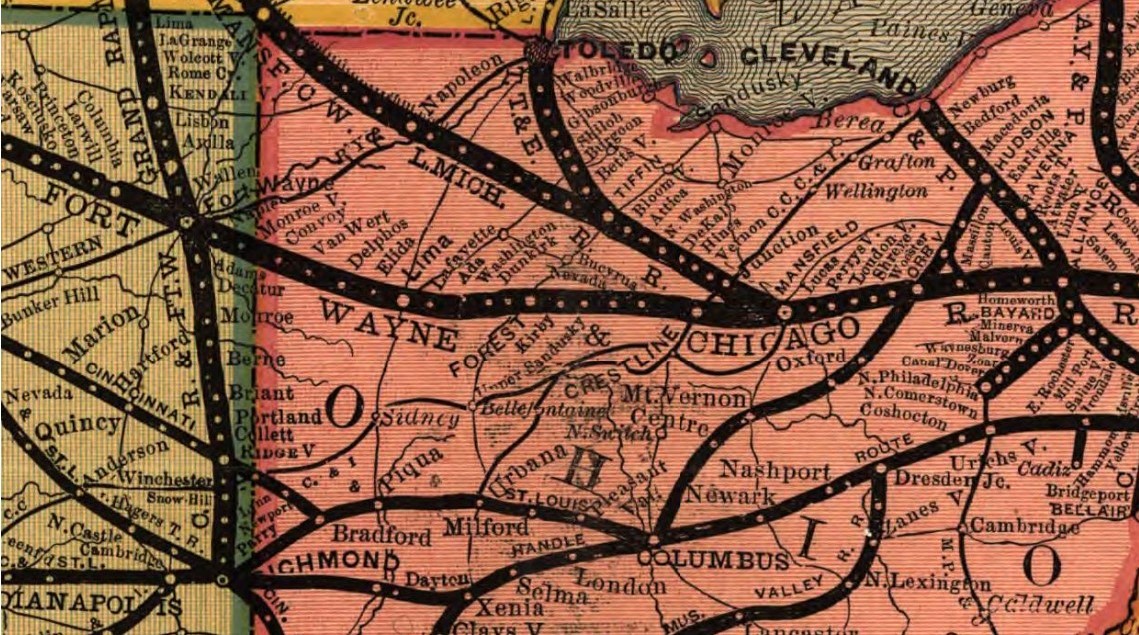
It is at this point that many inconsistencies about Faurot’s life appear. Most historians who have written about Faurot indicate that the Fort Wayne and Chicago line is what brought him to Lima. During the early 1850s, the Pennsylvania Railroad built its Ft. Wayne and Chicago line which went through Lima.[15] According to these accounts, Faurot would become employed in the construction of that railroad line and moved to Lima.[16] Shortly thereafter, Faurot would start his livery business. However, in an 1879 Biographical Encyclopedia on “Distinguished Men of the State of Ohio,” it was stated that when Faurot was 24 years old, in 1853, he started his livery business in Kenton.[17] Then, in 1855, he moved to Lima to continue in the livery business.[18] However, it was also announced in 1857 by a local newspaper that he had bought the livery stable where he would begin to grow his fortune.[19] Thus, he may have held some position in a livery business in Kenton before he moved to Lima. Nevertheless, it seems more likely that the Ft. Wayne and Chicago line was what prompted Faurot to move in the first place.
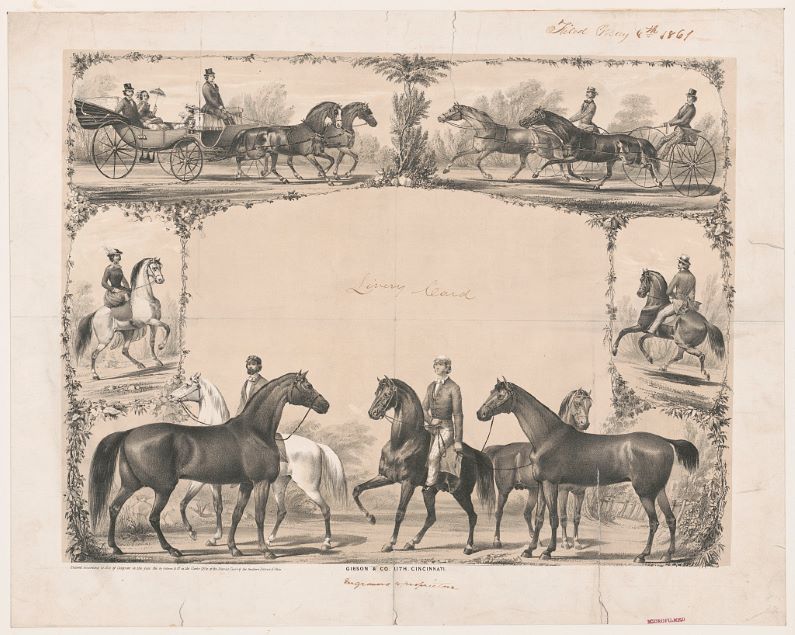
Faurot bought the livery stable with a business partner named Kincaid from John Stable.[20] It ran out of a barn located at the rear of a property on S. Elizabeth Street between Market and Spring, around where the Wyngate Hotel or the Lima News buildings are today.[21] This was his first profitable business. Faurot was considered very good with horses, knowing when a horse would be of good or ill stock.[22] He made the start of his fortune by selling large quantities? of horses and mules to the government during the Civil War.[23] Because Faurot and his equine stock were reliable, he made a very lucrative business that allowed him to branch out into other industries.
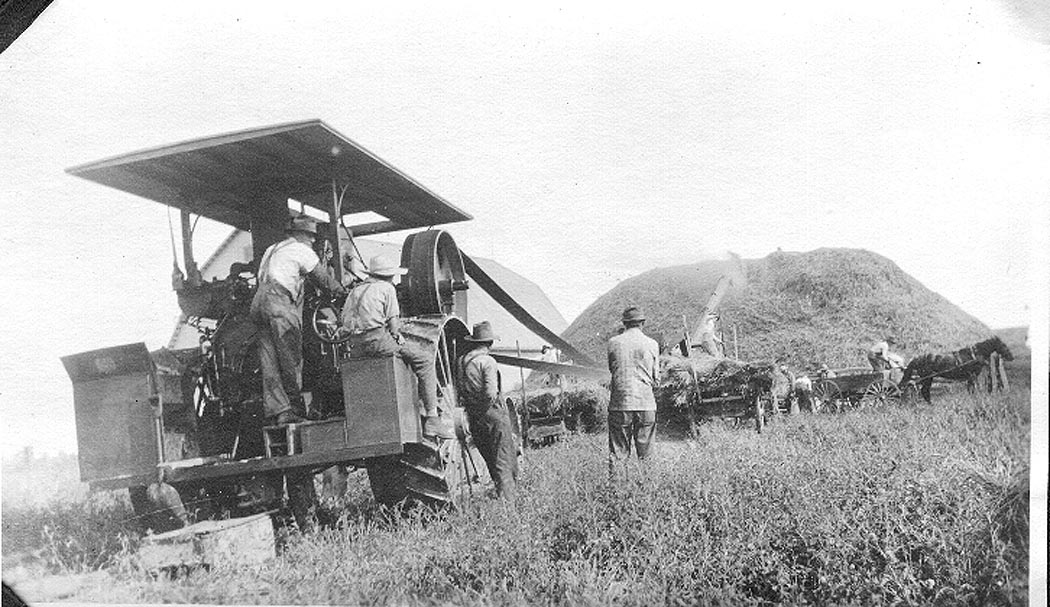
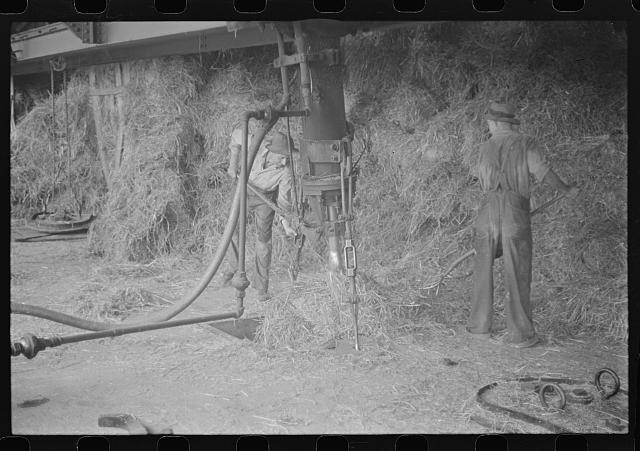
After his boon during the Civil War with his livery business, Faurot went into the strawboard business with some of his associates.[24] Strawboard is a type of cardboard made from straw that is often used for egg cases.[25] At the end of 1869, Faurot, T. T. Mitchell, S. K. Holland, and G. G. Hackendorn would purchase four acres of land for the strawboard mill.[26] The mill was located on E. North Street just west of the Ottawa River. It took a few months to build the mill and get it operational, and production first began in September of 1870.[27] The mill continued to expand over the next decade. During the 1880s, Faurot became the primary owner of the facility.[28] At that time they employed around 100 people comprising of 30 to 40 teams to corral the straw.[29] The business grew during that decade to include the Ohio Egg Case Co., which was built adjacent to the mill and also owned by Faurot.[30] The Ohio Egg Case Co. mainly employed women who would turn the strawboard into egg cases.[31] Faurot was well known in the world of strawboard manufacturing and became the president of the Strawboard Association of the United States.[32] As the business continuously grew; Faurot built some homes near the mill for his employees.[33] Strawboard manufacturing needed a lot of straw and water for its production, which is seemingly what brought Faurot to drill near his mill. It was then that he first discovered oil. (We will come back to that discovery in a few paragraphs.) Just like his livery business, Faurot’s strawboard mill was one of his major successes, and he profited significantly from it.
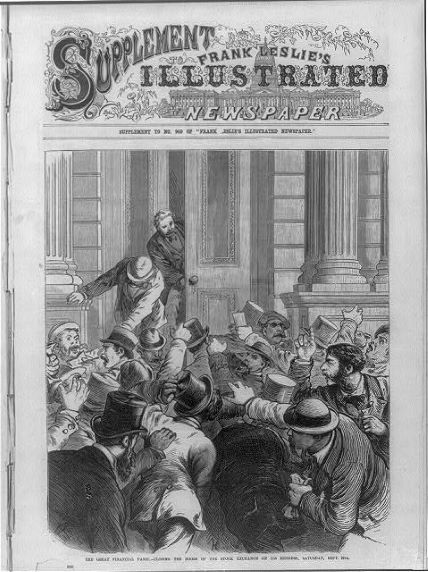
After the Civil War, Faurot also entered another industry–banking. In 1865, Faurot would be one of the incorporators of the National Deposit Bank, better known as the Allen County Bank.[34] The Allen County Bank was located on the northwest corner of public square and W. Market Street.[35] The post-Civil War era held a lot of booms for the banking industry, but because of its youth and fragility there were also a lot of banking crisis.[36] The largest one is often referred to as the Panic of 1873, when the European stock market crashed and the railroad industry’s high profits and losses only exacerbated the problem.[37] Faurot is often seen as one of the reasons why the Allen County Bank did not fail during the Panic of 1873.[38] He quelled the fear of the citizens wanting to draw out all their money from the bank and was willing to put up his own money if needed.[39] This calmed the fears around town and allowed the bank to survive.[40] Faurot would become the president of the bank in 1880.[41] It was once again reorganized under the name Lima National Bank in January 1883, with Faurot still serving as the president.[42] We will come back to his banking industry in article two, but it is important to note that the Lima National Bank played a massive role in financing many of Faurot’s other businesses.[43] Faurot was a part of incorporating one more bank, the East End Loan Company.[44] We know far less about that one, but it does illustrate his importance in the banking industry at the time in Allen County.
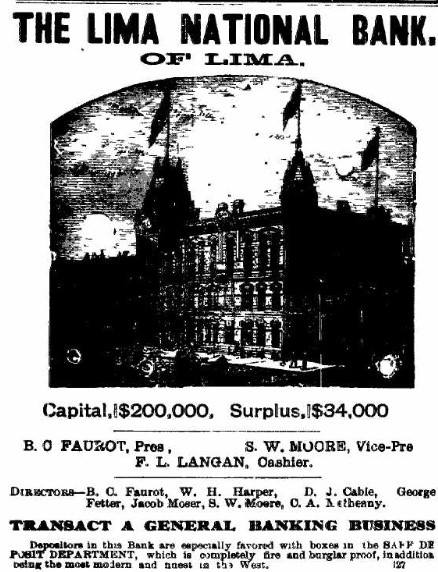
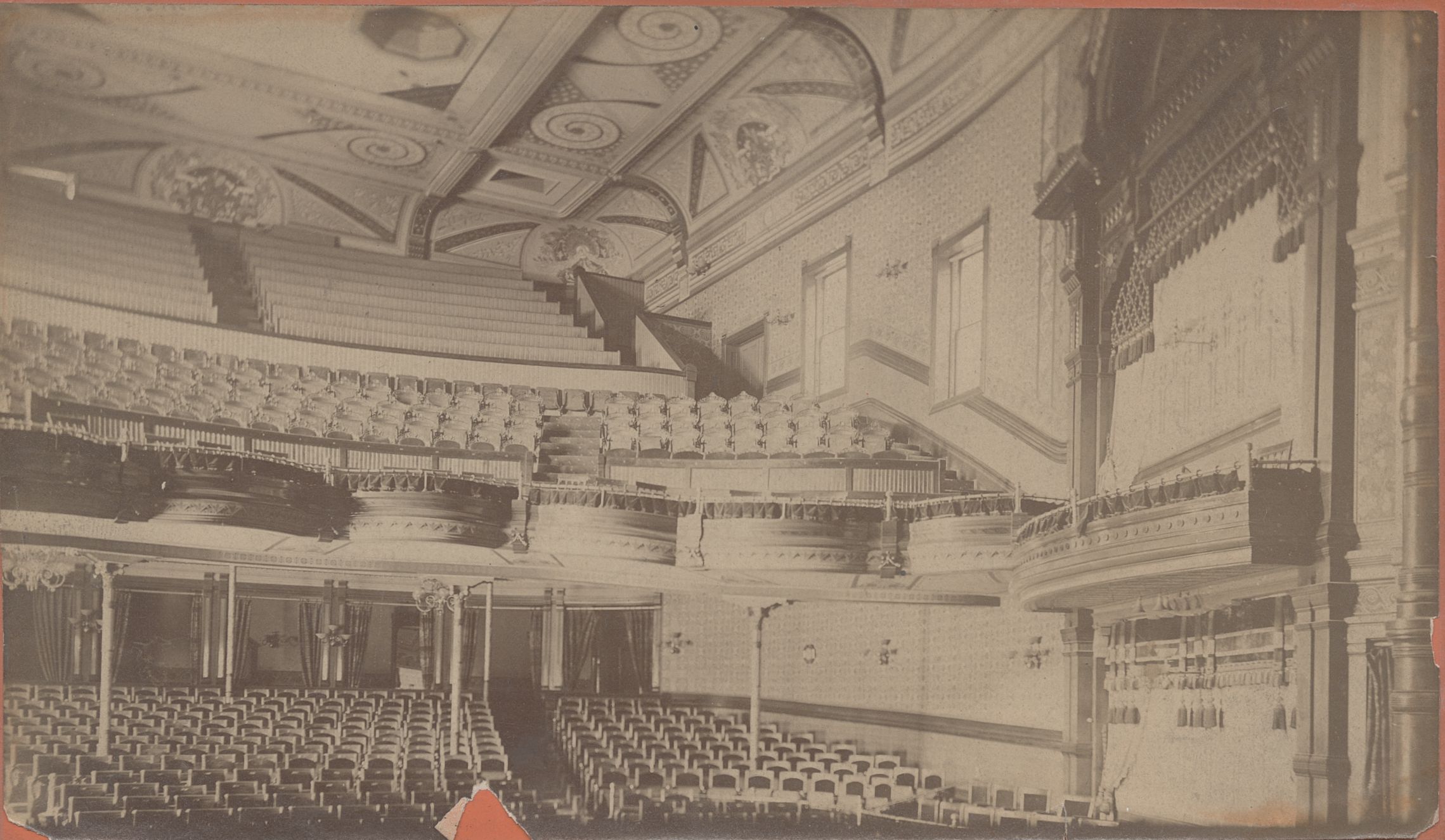
In 1882, Faurot built the Faurot Block, which included the Faurot Opera House.[45] The whole block held not only the Opera House, but “a music hall, the Lima National Bank, eight stores and five offices.”[46] The block was said to have cost $225,000,[47] or around $7.1 million today,[48] and Faurot purchased all of the materials and furnishings of the building.[49] The Faurot Opera House was the crown jewel of the block and held its opening night on September 4, 1882, with a comical opera, King for a Day.[50] The opera not only served as entertainment for those who could afford to attend, it also provided an opportunity for people to see what the wealthy attendees wore to the opera.[51] At the same time, Faurot bought some land on N. Elizabeth Street on the 200 block for a hotel.[52] The original thought was that the hotel could lodge the opera performers,[53] however, it became liked for its modern amenities.[54] It was heated by steam and had electric lighting throughout the entirety of the building.[55] This was made available by Faurot building Lima’s first electric plant just next door, at 216 N. Elizabeth Street, in 1884.[56] The electric plant lit the Faurot Opera House, all of the Faurot Block and also one street light in the Public Square for a few years.[57] However, a little time later Faurot would add electric lights to Lima’s streets, making it the third city to be electrically lit in Ohio.[58] The Faurot Block and its surrounding structures were definitely Faurot’s most well-known additions to Lima.
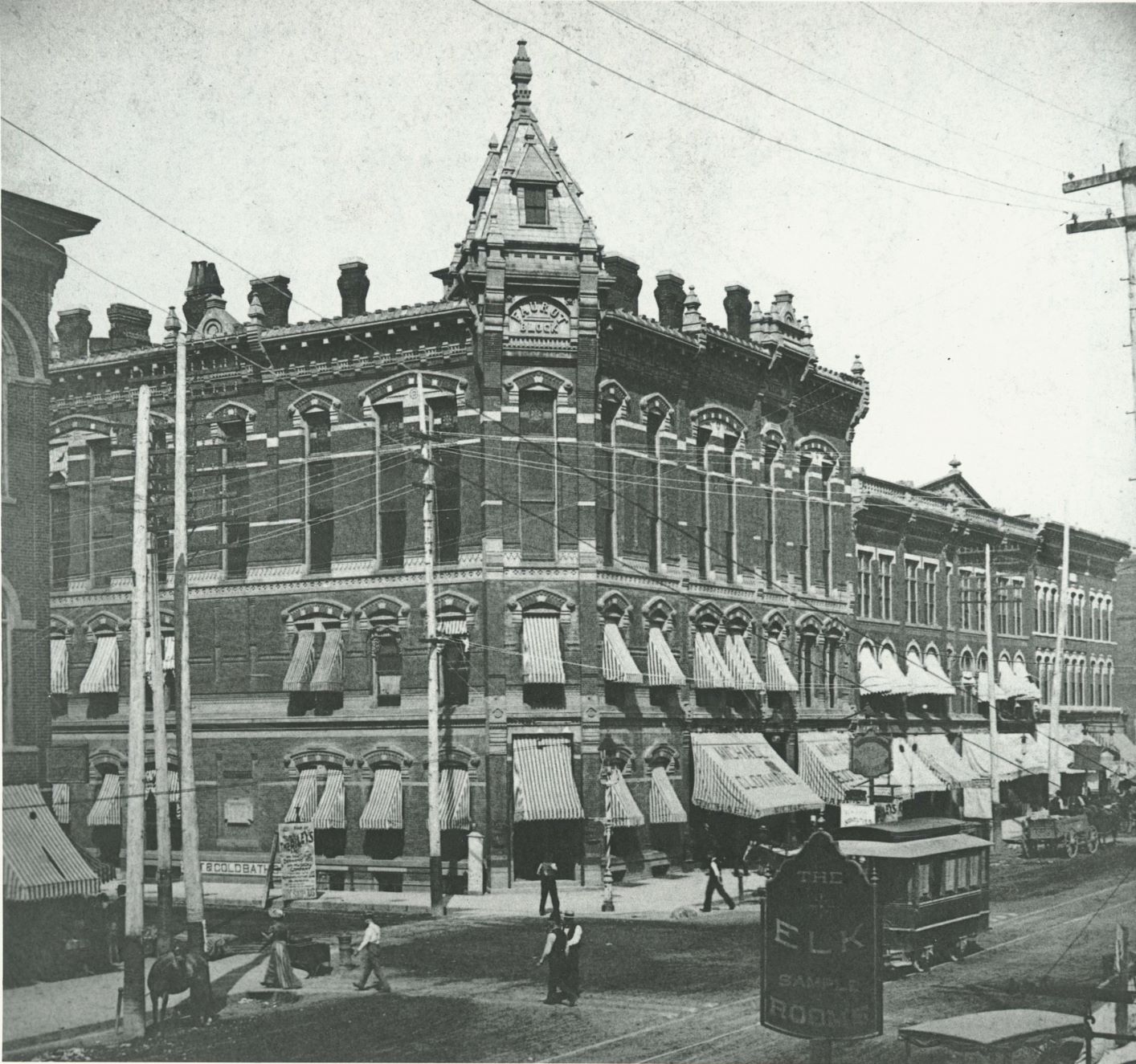
With the Faurot Block, it should come as no surprise that Faurot was a significant landowner in Lima. He was known to have owned around 700 acres in and around Lima during his life.[59] Much of that land would be turned into lots in the town and were very valuable.[60] Some of that land he sold to the government for the first post office in Lima—[61] a block of land on the southeast corner of High and Elizabeth, around the Faurot Block.[62] It was said the government bought the land for $10,000.[63] Faurot also rented 400 acres of land, just south of the Ottawa River, to Herbert B. Kelly for a sweet corn cannery.[64] That rent was around $3,000 per year.[65] The Fisher Manufacturing Co. would buy out Kelly a few years later to grow the business.[66] It is important to note that Faurot did not run the day-to-day of either the Opera House or Hotel. The Opera House was rented by George W. Williams, who paid Faurot $2,400 per year.[67] No exact amounts were given for the Faurot Hotel’s rent; although, it had several different proprietors over the years who undoubtedly paid Faurot.[68] The Hercules Torpedo Factory was also on Faurot’s land.[69] In May 1889, Faurot showed some Lima newspaper men around the safety measures he had put in place to keep people from getting too close to the factory.[70] It is likely that this company also paid Faurot rent to use his land. As you can see, Faurot’s real estate became a significant portion of his fortune.
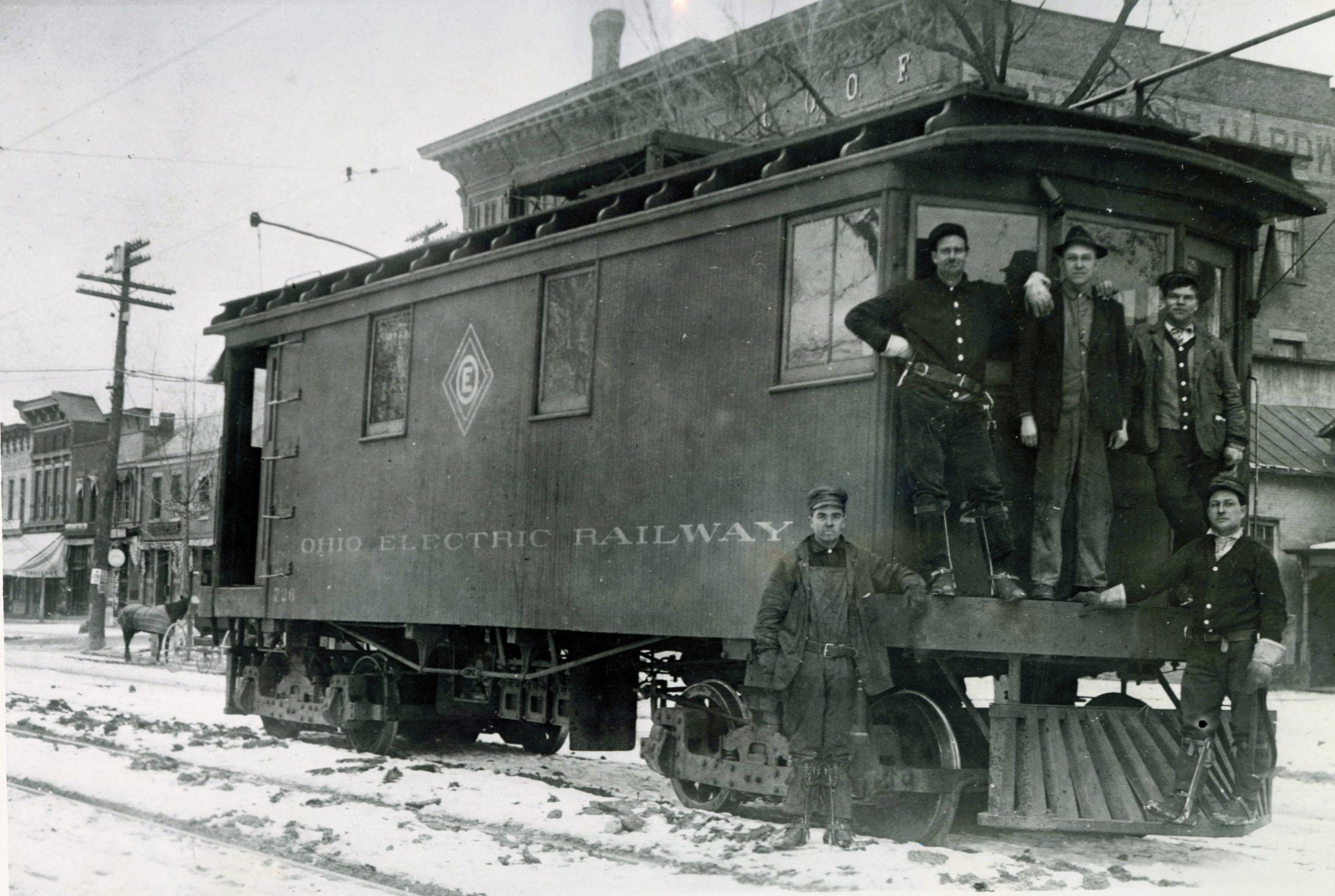
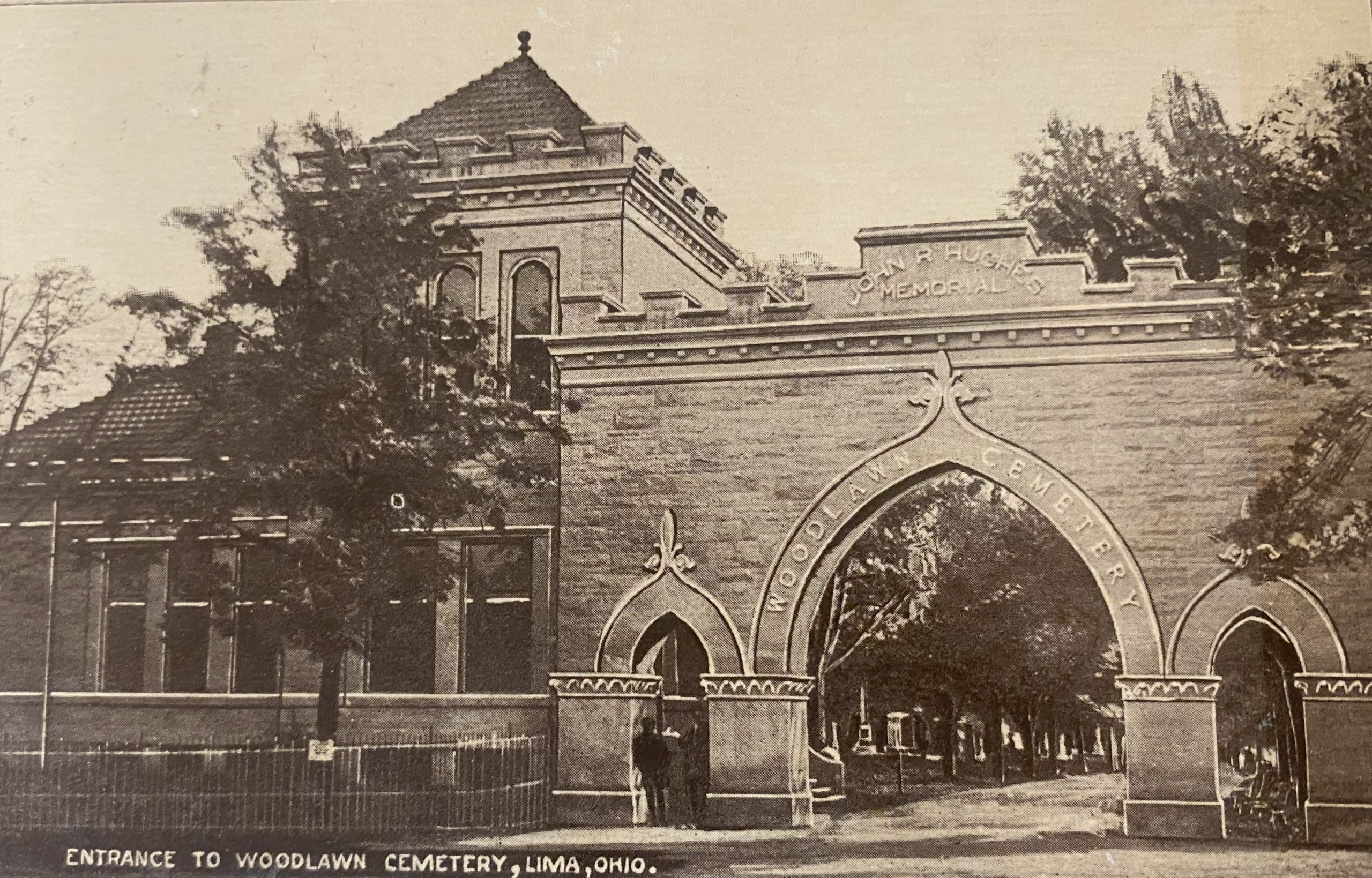
During the 1870s and 1880s, Faurot started and was involved in numerous smaller businesses and community-building endeavors. One of the most important was Lima’s horsedrawn street railway, which Faurot bought in 1886.[71] He would electrify the line the following year.[72] Additionally, Faurot was the President of the Globe Machine Works Inc., which manufactured portable engines.[73] Globe Machine Works Inc. was located on the corner of Main Street and Elm Street.[74] When Faurot and Calvin Brice were still associates, they both worked to bring the Erie Railroad, later Nickel Plate, repair shops to Lima.[75] According to some accounts Faurot oversaw the sweet corn cannery that Herbert Kelly rented on his land.[76] In 1879, Faurot opened a strawboard factory with his associate J. C. Bauer in Philadelphia.[77] There was worry for some time that he would move his production there instead of keeping it in Lima, but it never happened.[78] Faurot also planned the Woodlawn Cemetery as a “beautiful resting place for the city’s dead.”[79] Likewise, he would plan an extensive park system for Lima, that was somewhat realized.[80] It must be noted, however, that what was realized was mostly connected to his own acreage. In 1879, he opened a driving park and expanded it into Shadyside Park in 1888.[81] At Shadyside Park, there was a lot of entertainment for the community, “horse races, plays, and baseball.”[82] This is likely not an exhaustive list of Faurot’s businesses and community engagements, but they illustrate how he spent his time during that era.
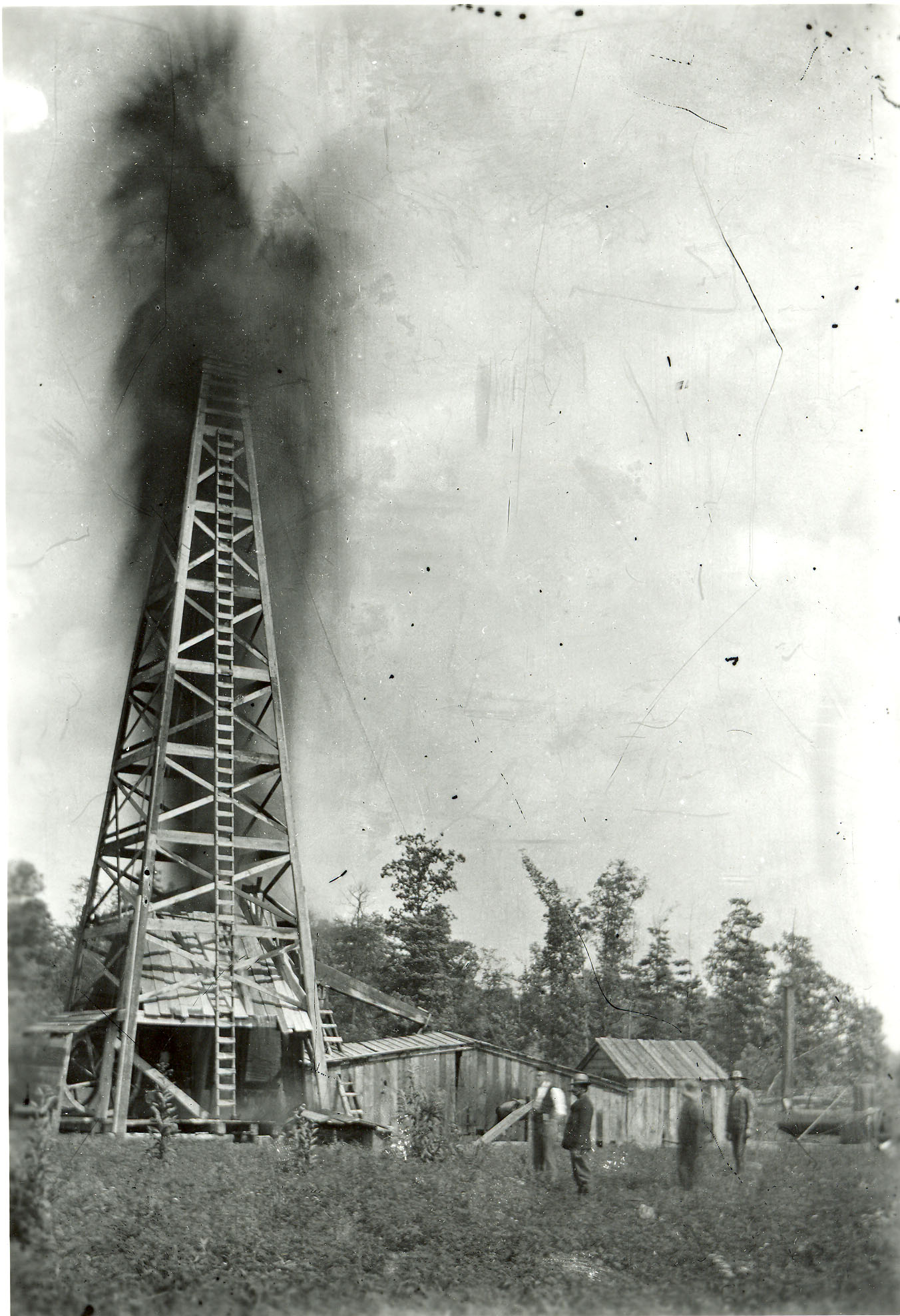
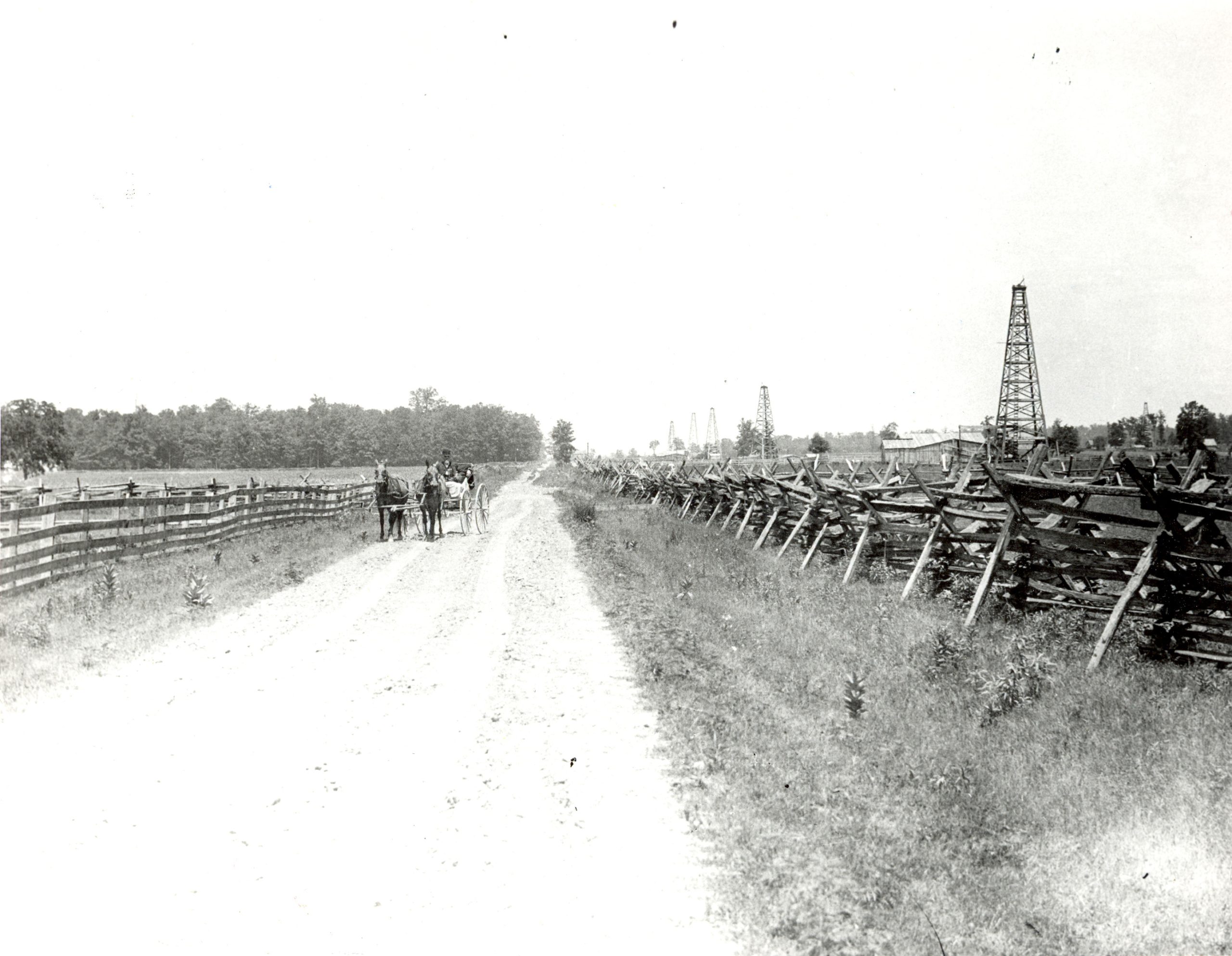
Perhaps the most remarkable thing Faurot did during his long career was discovering oil in Lima. In 1885, the great Ohio gas field had been found in Findlay, Ohio.[83] Right afterwards, Faurot decided to bring drillers to Lima, specifically to his strawboard factory.[84] The aim was either to drill water for the factory, strawboard needed a significant amount of water to be produced, or to drill gas like in Findlay.[85] However, on May 9, 1885, at 1,251 feet, Faurot hit oil.[86] Lima would become a boom town with this discovery, going from a small agricultural village to a city almost overnight.[87] By the next year, the Lima field became “the nation’s leading producer of oil, and by the following year [1887] it was considered to be the largest in the world.”[88] Finding oil changed the landscape of Allen County in innumerable ways. Faurot was a part of one of these big changes–the inception of the Chamber of Commerce.[89] Faurot would be the first treasurer of the Chamber of Commerce.[90] The discovery of oil is Faurot’s most significant contribution to Allen County and it is where we will leave his story for now.
By the time Faurot was sixty years old, he had become a millionaire.[91] He owned numerous businesses in Lima that made him his fortune. Faurot was involved in everything from banking to streetcars, and he impacted Allen County through his companies and the community improvements he spearheaded. Next month, we will conclude the life of Benjamin Faurot, a story that is sure to be dramatic and one you won’t want to miss.
Endnotes:
John L. Cable, “Benjamin C. Faurot,” Cable, November 23, 1924, Vol IV, in Benjamin C. Faurot File in the Allen County Archives, 1.
[1] Adrienne McGee, “Faurot: The Man Behind the Name,” Lima News, May 25, 2011, at the Allen County Archives.
[2] Ibid.
[3] Ibid.
[4] Ibid.
[5] Ibid.
[6] Ford.
[7] “Benjamin C. Faurot,” biography in Faurot-Mexico file at the Allen County Archives.
[8] John L. Cable, “Benjamin C. Faurot,” Cable, November 23, 1924, Vol IV, in Benjamin C. Faurot File in the Allen County Archives, 1.
[9] Ibid.
[10] “A Biographical Cyclopaedia and Portrait Gallery of Distinguished Men, with an Historical Sketch, of the State of Ohio,” ed. J. Fletcher Brennan, John C. Yorston & Company, 1879, in Benjamin Faurot File at the Allen County Archives, 337.
[11] “Family Tree Benjamin Carl Faurot,” In Faurot, Benjamin C. File in the Allen County Archives.
[12] Ibid.
[13] Adrienne McGee, “Faurot: The Man Behind the Name,” Lima News, May 25, 2011, at the Allen County Archives.
[14] Harvey S. Ford, “Story of Ben Faurot, Lima’s Financier and Builder,” The Lima News, December 31, 1952, in Faurot-Mexico file in the Allen County Archives.
[15] Ibid.
[16] “A Biographical Cyclopaedia and Portrait Gallery of Distinguished Men, with an Historical Sketch, of the State of Ohio,” ed. J. Fletcher Brennan, John C. Yorston & Company, 1879, in Benjamin Faurot File at the Allen County Archives, 337.
[17] Ibid.
[18] “Livery & Sale Stable,” Unknown Lima Newspaper, February 5, 1857, in Benjamin Faurot File at the Allen County Archives.
[19] Ibid.
[20] “Three Useful Lives, Chapter XX,” in History of Allen County, Ohio and Representative Citizens, ed. Dr. Charles C. Miller and Dr. Samuel A. Baxter, Richmond & Arnold, Chicago, Ill., 1906, 337.
[21] Ibid.
[22] Ibid.
[23] Adrienne McGee, “Faurot: The Man Behind the Name,” Lima News, May 25, 2011, at the Allen County Archives.
[24] McGee “Faurot’ Mill”
[25] Ibid.
[26] Ibid.
[27] Ibid.
[28] Ibid.
[29] Ibid.
[30] Ibid.
[31] “Three Useful Lives, Chapter XX,” in History of Allen County, Ohio and Representative Citizens, ed. Dr. Charles C. Miller and Dr. Samuel A. Baxter, Richmond & Arnold, Chicago, Ill., 1906, 337.
[32] “[City Updates],” Allen County Democrat, March 17, 1881, accessed June 11, 2025, https://www.ancestry.com/imageviewer/collections/8013/images/NEWS-OH-AL_CO_DE.1881_03_17_0005.
[33] “Three Useful Lives, Chapter XX,” in History of Allen County, Ohio and Representative Citizens, ed. Dr. Charles C. Miller and Dr. Samuel A. Baxter, Richmond & Arnold, Chicago, Ill., 1906, 337.
[34] John L. Cable, “Benjamin C. Faurot,” Cable, November 23, 1924, Vol IV, in Benjamin C. Faurot File in the Allen County Archives, 8.
[35] “Financial Panic of 1873,” U.S. Department of the Treasury, accessed June 24, 2025, https://home.treasury.gov/about/history/freedmans-bank-building/financial-panic-of-1873.
[36] Ibid.
[37] “Benjamin C. Faurot,” biography in Faurot-Mexico file at the Allen County Archives.
[38] “Three Useful Lives, Chapter XX,” in History of Allen County, Ohio and Representative Citizens, ed. Dr. Charles C. Miller and Dr. Samuel A. Baxter, Richmond & Arnold, Chicago, Ill., 1906, 337.
[39] Ibid.
[40] Harvey S. Ford, “Story of Ben Faurot, Lima’s Financier and Builder,” The Lima News, December 31, 1952, in Faurot-Mexico file in the Allen County Archives.
[41] Ibid.
[42] Ibid.
[43] John L. Cable, “Benjamin C. Faurot,” Cable, November 23, 1924, Vol IV, in Benjamin C. Faurot File in the Allen County Archives, 5-6.
[44] “Three Useful Lives, Chapter XX,” in History of Allen County, Ohio and Representative Citizens, ed. Dr. Charles C. Miller and Dr. Samuel A. Baxter, Richmond & Arnold, Chicago, Ill., 1906, 337.
[45] “Benjamin C. Faurot,” Allen County Leaders, accessed June 9, 2025, https://allencountymuseum.org/allen-county-leaders/.
[46] Marilyn Rex Huffman, Remembering When: Tales of the Faurot Opera House, The Allen County Reporter, Vol. LVIV, 2003, No. 1, 2.
[47] https://www.in2013dollars.com/us/inflation/1882?amount=225000.
[48]Marilyn Rex Huffman, Remembering When: Tales of the Faurot Opera House, The Allen County Reporter, Vol. LVIV, 2003, No. 1, 11.
[49] Ibid., 13.
[50] Ibid., 17.
[51] Greg Hoersten, “Grand Hotel Faurot Downtown Hotel Catered to Opera House,” Lima News, December 9, 2015, at the Allen County Archives.
[52] Ibid.
[53] “The Faurot House,” Lima Daily News, October 3, 1889, accessed June 11, 2025, https://www.ancestry.com/imageviewer/collections/8017/images/NEWS-OH-LI_DA_NE.1889_10_03_0004.
[54] Ibid.
[55] The 1976 History of Allen County, Ohio, ed. John R. Carnes, Unigraphic Inc., Evansville, IN, 1976, 163.
[56] Ibid.
[57] “Benjamin C. Faurot,” Allen County Leaders, accessed June 9, 2025, https://allencountymuseum.org/allen-county-leaders/.
[58] “Three Useful Lives, Chapter XX,” in History of Allen County, Ohio and Representative Citizens, ed. Dr. Charles C. Miller and Dr. Samuel A. Baxter, Richmond & Arnold, Chicago, Ill., 1906, 337.
[59] Ibid.
[60] The 1976 History of Allen County, Ohio, ed. John R. Carnes, Unigraphic Inc., Evansville, IN, 1976, 25.
[61] Ibid.
[62] Ibid.
[63] Adrienne McGee, “Home-Grown Business,” Lima News, January 12, 2011, at the Allen County Archives.
[64] Ibid.
[65] Ibid.
[66] “Is What has been on the Boards at the Opera House,” Allen County Democrat, June 13, 1883, accessed June 9, 2025, https://www.ancestry.com/imageviewer/collections/8013/images/NEWS-OH-AL_CO_DE.1883_06_13_0004.
[67] Greg Hoersten, “Grand Hotel Faurot Downtown Hotel Catered to Opera House,” Lima News, December 9, 2015, at the Allen County Archives.
[68] “Nitro Glycerine,” Lima Daily Democratic Times, May 10, 1889, accessed June 10, 2025, https://www.ancestry.com/imageviewer/collections/8202/images/NEWS-OH-LI_DA_DE_TI.1889_05_10_0004.
[69] Ibid.
[70] The 1976 History of Allen County, Ohio, ed. John R. Carnes, Unigraphic Inc., Evansville, IN, 1976, 160.
[71] Ibid.
[72] “Benjamin C. Faurot,” Allen County Leaders, accessed June 9, 2025, https://allencountymuseum.org/allen-county-leaders/.
[73] John L. Cable, “Benjamin C. Faurot,” Cable, November 23, 1924, Vol IV, in Benjamin C. Faurot File in the Allen County Archives, 5.
[74] “Benjamin C. Faurot,” Allen County Leaders, accessed June 9, 2025, https://allencountymuseum.org/allen-county-leaders/.
[75] Ibid.
[76] “A New Enterprise,” Allen County Democrat, July 31, 1879, accessed June 11, 2025, https://www.ancestry.com/imageviewer/collections/8013/images/NEWS-OH-AL_CO_DE.1879_07_31_0003.
[77] Ibid.
[78] “Three Useful Lives, Chapter XX,” in History of Allen County, Ohio and Representative Citizens, ed. Dr. Charles C. Miller and Dr. Samuel A. Baxter, Richmond & Arnold, Chicago, Ill., 1906, 338.
[79] Ibid.
[80] “Benjamin C. Faurot,” Allen County Leaders, accessed June 9, 2025, https://allencountymuseum.org/allen-county-leaders/.
[81] Ibid.
[82] “Three Useful Lives, Chapter XX,” in History of Allen County, Ohio and Representative Citizens, ed. Dr. Charles C. Miller and Dr. Samuel A. Baxter, Richmond & Arnold, Chicago, Ill., 1906, 337.
[83] Ibid.
[84] Ibid.
[85] Adrienne McGee, “Faurot: The Man Behind the Name,” Lima News, May 25, 2011, at the Allen County Archives.
[86] “A Standard History of Allen County, Ohio,” ed. William Rusler, The American Historical Society: Chicago and New York, 1921, 341.
[87] “Faurot Oil Well,” The Historical Marker Database, accessed June 24, 2025, https://www.hmdb.org/m.asp?m=22931.
[89] The 1976 History of Allen County, Ohio, ed. John R. Carnes, Unigraphic Inc., Evansville, IN, 1976, 77.
[90] Ibid.
[91] Adrienne McGee, “Faurot: The Man Behind the Name,” Lima News, May 25, 2011, at the Allen County Archives.
Image Credit:
“The Great Financial Panic of 1873 – Closing the door of the Stock Exchange on its members, Saturday, Sept. 20th,” 1873, LC-USZ62-37423, accessed July 16, 2025, https://www.loc.gov/pictures/item/99614016/.
Shahn, Ben, 1898-1969, photographer, “Baled straw to be used for making strawboard at Container Corporation of America; makes paper out of straw. Circleville, Ohio,” 1938 Summer, LC-USF33-006575-M1, accessed July 16, 2025, https://www.loc.gov/pictures/item/2017732201/.
“Map of the Pittsburg [sic], Fort Wayne & Chicago, Cleveland and Pittsburg [sic], Grand Rapids and Indiana, and Pennsylvania railroads,” Chicago, c. 1874, G3701.P3 1874 .R3, accessed July 16, 2025, https://lccn.loc.gov/98688779.
“Livery card,” Gibson & Co. (Cincinnati, Ohio), [1861], LC-DIG-pga-06798, accessed July 16, 2025, https://www.loc.gov/pictures/item/2003654187/.
All other images came from the Allen County Archives.












Leave A Comment