
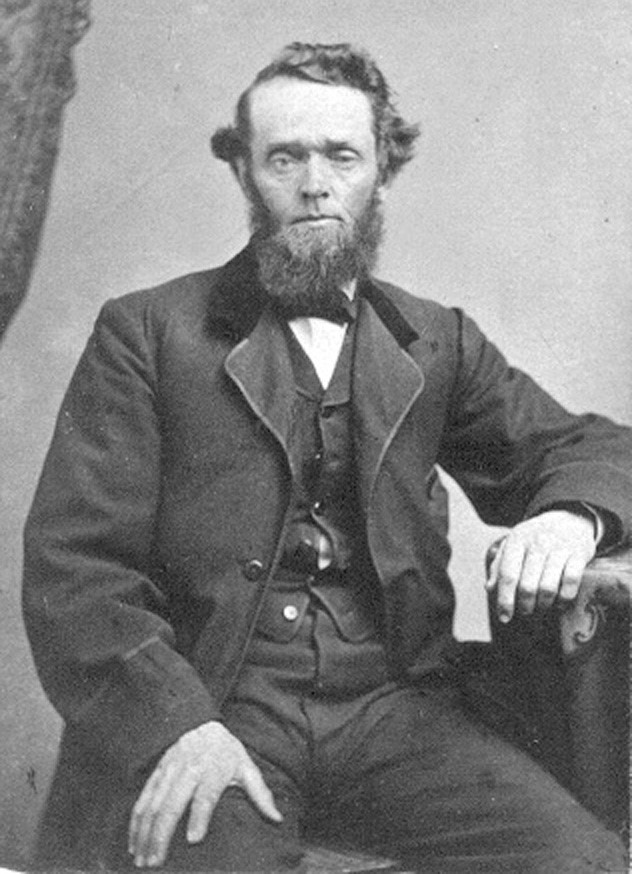
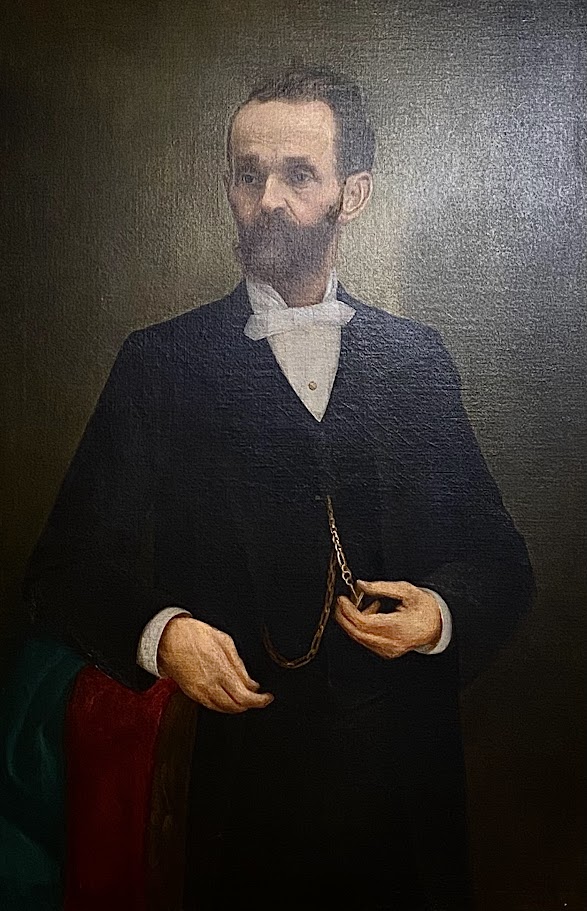
“Like most self-made men [Faurot] had the utmost confidence in himself, and was often impatient of the advice of others, particularly when it ran counter to his own opinions. Lima, which he knew so [thoroughly] and where his investments had prospered so greatly, was growing too small for him. He decided to branch out into new and large fields of endeavors.”[1]
Benjamin Faurot was a complex and ambitious man, and this quote by one of his biographers summarizes the major change that occurred in his life around the late 1880s. Faurot wanted to expand his businesses beyond Allen County, specifically into the railroad industry. If you missed last month’s article, you can read it here to get caught up on Faurot’s life story. Faurot’s business endeavors after the late 1880s reflect the turbulent nature of the railroad industry and the high-risk investments prevalent during that era.
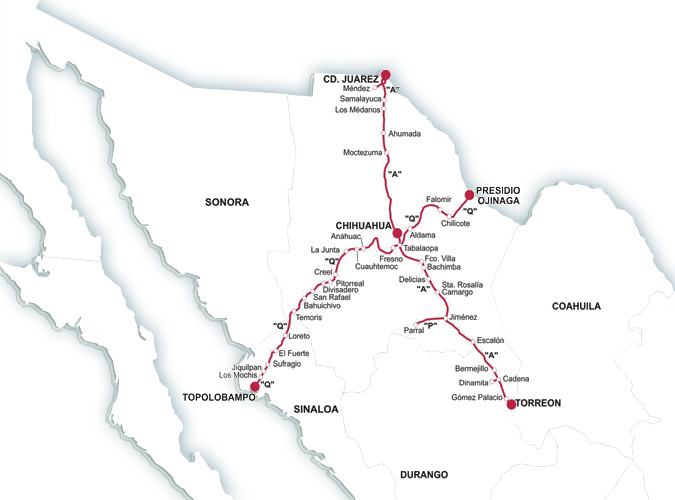
One of the significant reasons Faurot’s railroad enterprise was so risky was that he sold off his strawboard company—his leading money maker—for $600,000 to begin constructing the Columbus and Lake Michigan Railroad.[2] He began incorporating the line in April 1887,[3] but then he had to sell his strawboard company in 1888 to expand the scope of the rail line.[4] The ultimate plan was to build a line from Columbus to Saugatuck, Michigan.[5] From there it would connect to a ferry line that would cross Lake Michigan to Milwaukee, Wisconsin.[6] From the beginning, in 1887, the line had difficulties in its construction. Because the line was going through built up areas, many people fought its construction with law cases.[7] Litigation ensured that only the tract between Lima and Defiance was built.[8] However, that was only completed in 1899.[9] The Columbus and Lake Michigan Railroad was a money pit that stretched Faurot’s capital, and he may have financially survived if not for his other railroad gamble.
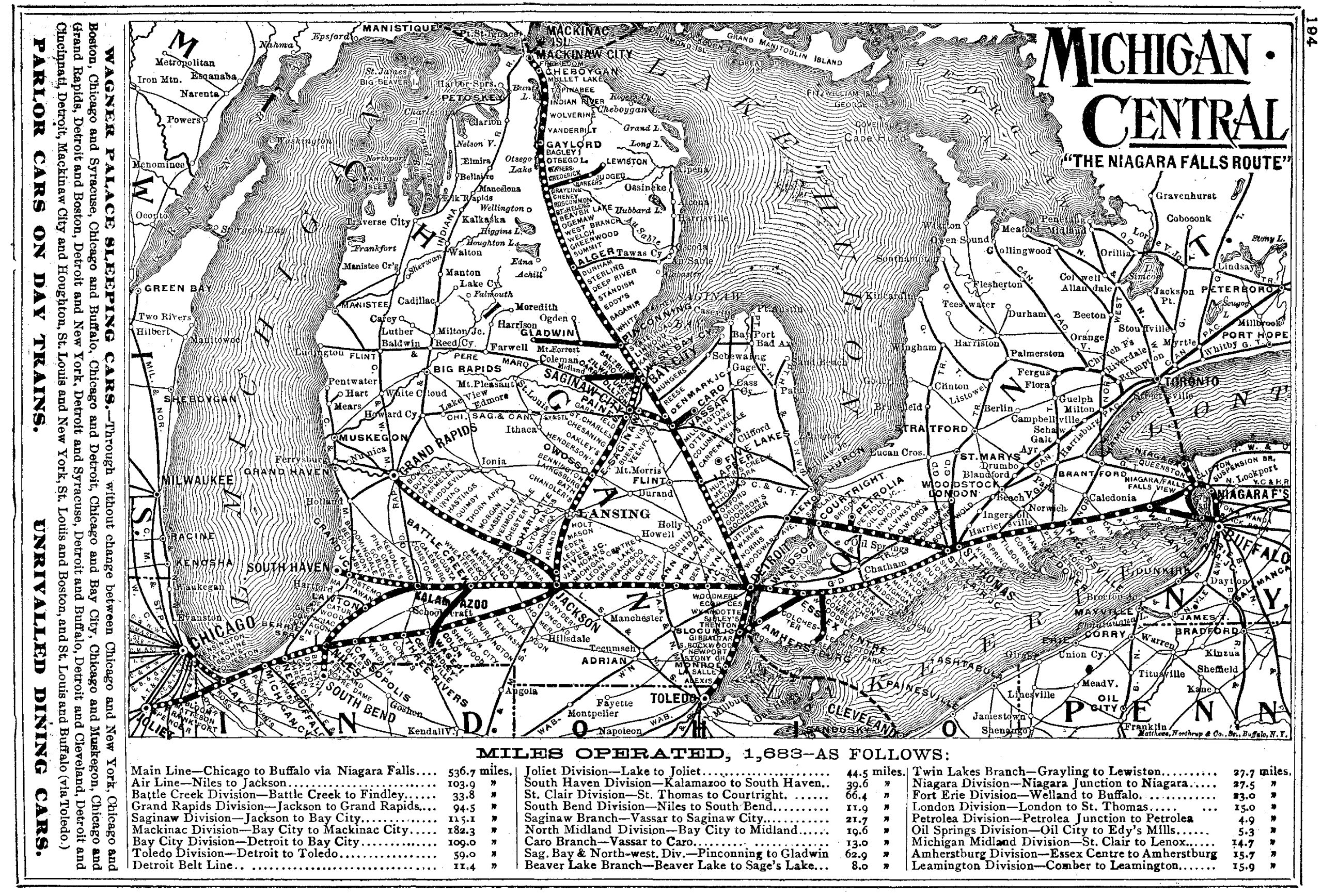
Faurot’s other railroad undertaking was the Sonora, Sinaloa, and Chihuahua Railroad in Mexico, from now on referred to as the Mexico Railroad. He was pitched the Mexico Railroad investment by Luis Hüller and George H. Sisson in 1889.[10] Hüller actually organized the railroad first through the International Colonization Company of Mexico in 1887.[11] Sisson was an investor in the line; together they invested more than half a million dollars.[12] By 1889 they were out of funding and went looking for more investors, which is where Faurot comes into the picture.[13] Faurot was looking for bigger and better things, no doubt stirred by a constant rivalry with Calvin Brice.[14] It did not take much persuading from Hüller and Sisson that the Mexico Railroad just needed an influx of cash to become viable.[15] They struck a plan in 1890, where Faurot promised to invest $49 million into the scheme.[16] The railroad was planned for two reasons: to reach the mineral-rich Chihuahua region and start mining there and to create a Mormon colony.[17] The Mexican government agreed to the plan and sold them the 2.5 million acres of land they needed to develop the rail line.[18] Unfortunately, nothing about the plan moved quickly enough for all the capital invested in it. By the summer of 1890 only a bit of grading of the land was accomplished,[19] so Faurot became frustrated and started looking for a buyer.[20] On December 21, 1890, it was announced in the Daily Republican that Faurot had sold the land to John W. Young, son of Brigham Young a prominent Mormon leader.[21] The details of the sale were never announced. From later events, we know Faurot did not make enough money from the sale to right the boat of his finances.
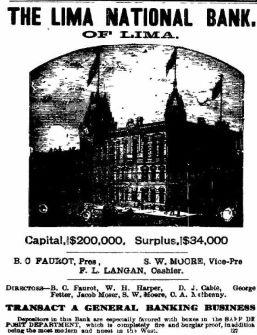
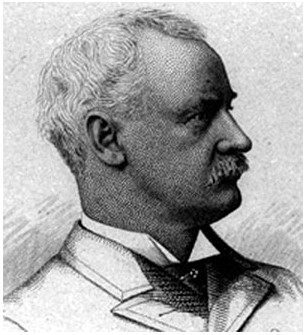
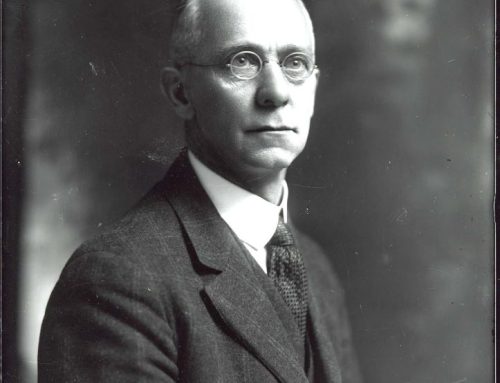
Between the Columbus and Lake Michigan Line and the Mexico Railroad, Faurot’s credit was over-extended beyond the limit and rumors started to circulate in late 1890.[22] Most of the worry surrounded his presidency at Lima National Bank and whether it was financially strong . Thus, on November 22, 1890, the comptroller of currency, E. S. Lacey, out of Washington D.C. cautioned George H. Ford, national bank examiner of the district, to watch Lima National Bank closely.[23] The bank was able to stay under the radar for the next year, but Lacey insisted on an audit in February 1892.[24] This was expedited because of an official report that Faurot was trying to sell off the Lima National Bank’s assets to other banks in town.[25] The bank was officially closed for the audit on March 1, 1892, and at that time they found a lot of violations.[26] One of the main problems was “crowding papers” or inflating the amount of money that went into the railroad schemes by holding I.O.U.s from locals.[27] At the time, the bank was almost entirely made up of such loans and very few legitimate loans.[28] It was revealed during the audit that instead of the $200,000 capital the Lima National Bank advertised they only had $51,234 in capital and $215,836 in liabilities.[29] Most of this problem stood on Faurot’s shoulders from the railroad prospecting. Faurot took out either an $225,000 or $325,000 loan from the Cleveland Bank to pay off his creditors.[30] Because he was able to pay off his creditors, or better described as shareholders of the Lima National Bank, Faurot did not get any severe punishments from the law for all the shady business at the bank.[31] However, with a significant loan due to the Cleveland Bank, Faurot’s finances were not looking any better.
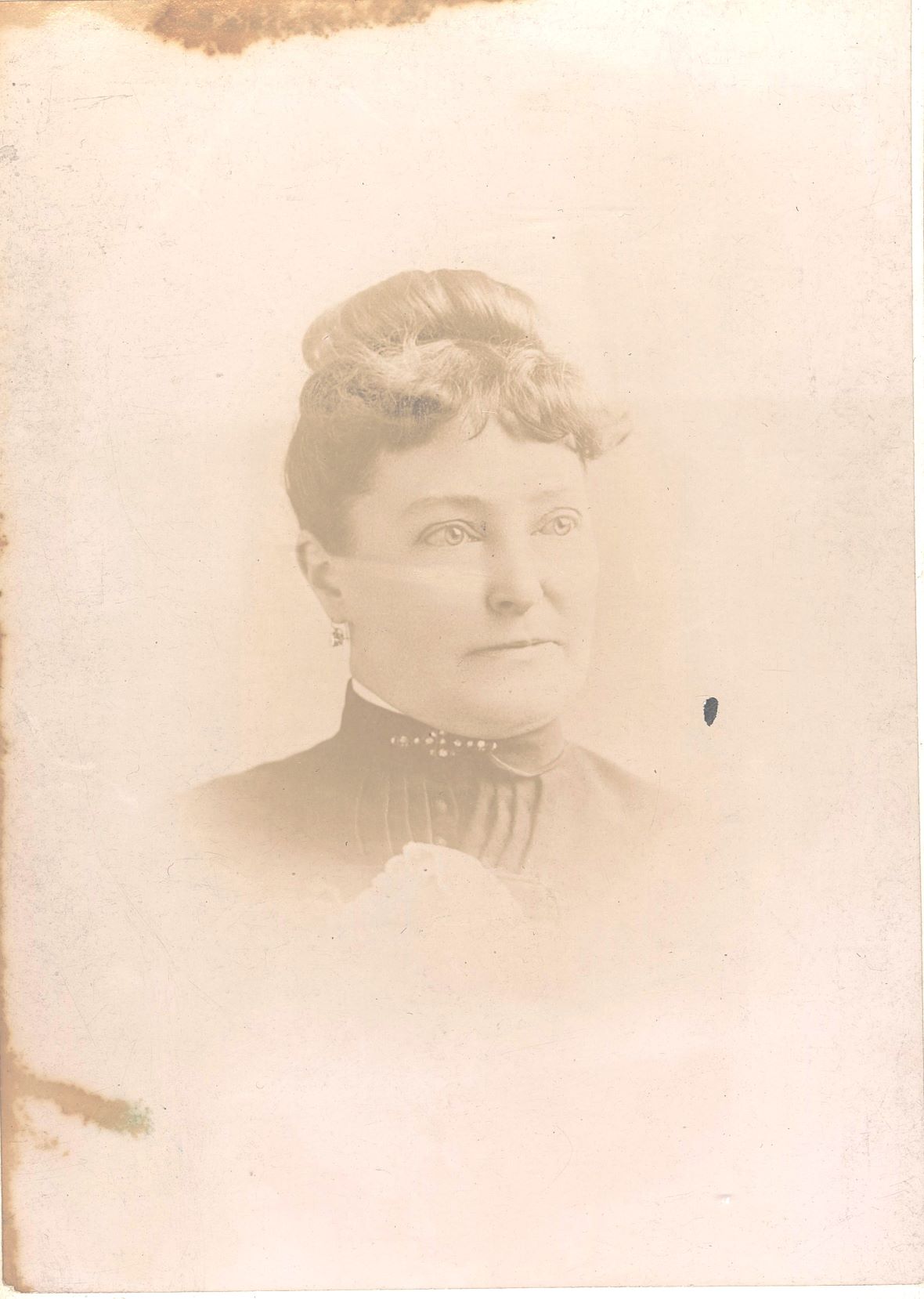
It was around this same time that Faurot’s personal life took a turn towards tragedy . Mrs. Faurot contracted influenza in 1895.[32] She had always suffered from a weak heart, which made her body unable to fight the influenza.[33] Mrs. Faurot passed away in April of 1895.[34] Not long after that one of Faurot’s three daughters passed away; quickly followed by the passing of one of his sons-in-law.[35] This death forced his daughter, now a widow, to turn her home into a boarding house. She was unfortunately evicted because of a lack of funds.[36] Likewise, that same daughter lost all three of her sons to tuberculosis.[37] It was a challenging time for the Faurot household. Furthermore, they no longer had the financial success to help them through hardships.
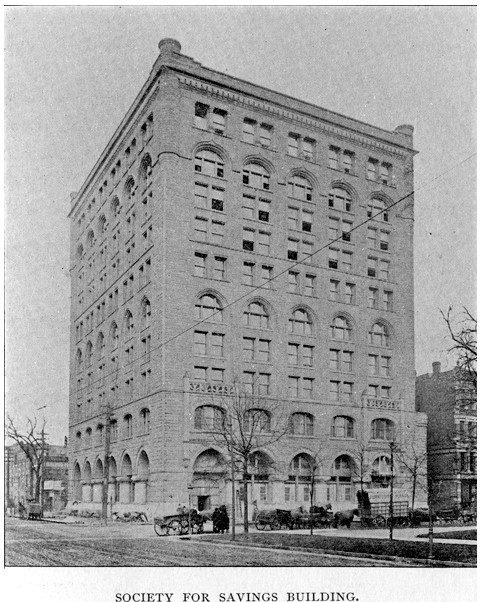
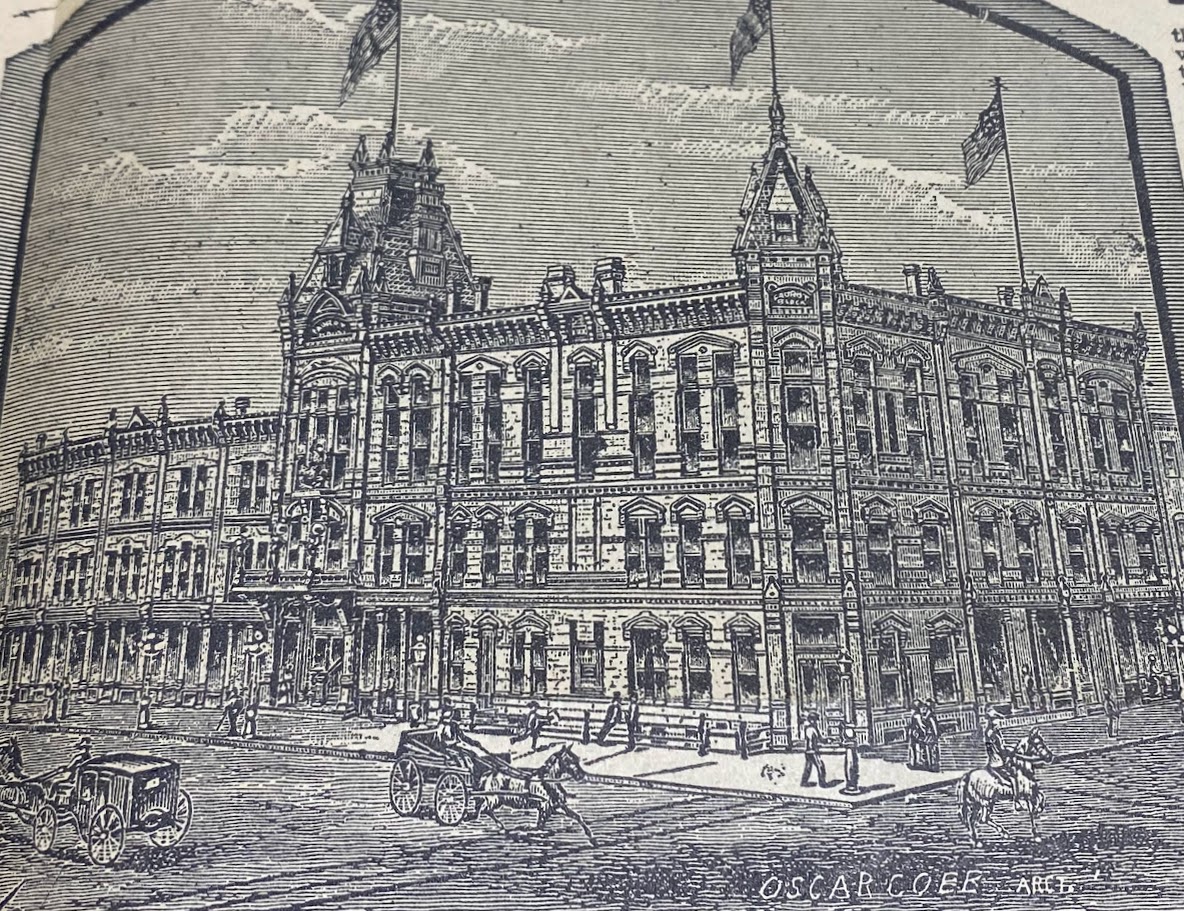
In 1899, the Cleveland Bank brought a foreclosure against Faurot because he had not been able to pay off his loan of between $225,000 and $325,000.[38] The loan had been initially taken out in 1893, and he had not paid money towards it or its interest.[39] This was paid off by mortgaging the electric plant, the Faurot Opera House, and the Faurot Block.[40] At the same time, Faurot’s land from Metcalf street to Woodlawn Ave and South of Elm to the River were sold.[41] Around 105 acres of that land were set aside and that’s where Faurot Park is today.[42] The rest became divided into 537 lots that were sold to the public for homes.[43] In 1902, John D. Rockefeller bought the Faurot Block and his agents in Lima worked from there.[44] In 1904, the Faurot family home, the last property Faurot owned, was foreclosed to settle a case out of court.[45] Faurot wrote about all of this turmoil in a letter to his friend, Mr. C. O. Hunter. In finality he stated, “The mistake of my life was getting interested in railroading and allowing myself to get scatter[ed] from my legitimate business.”[46] It was the railroad gamble that crumbled Faurot’s fortune.
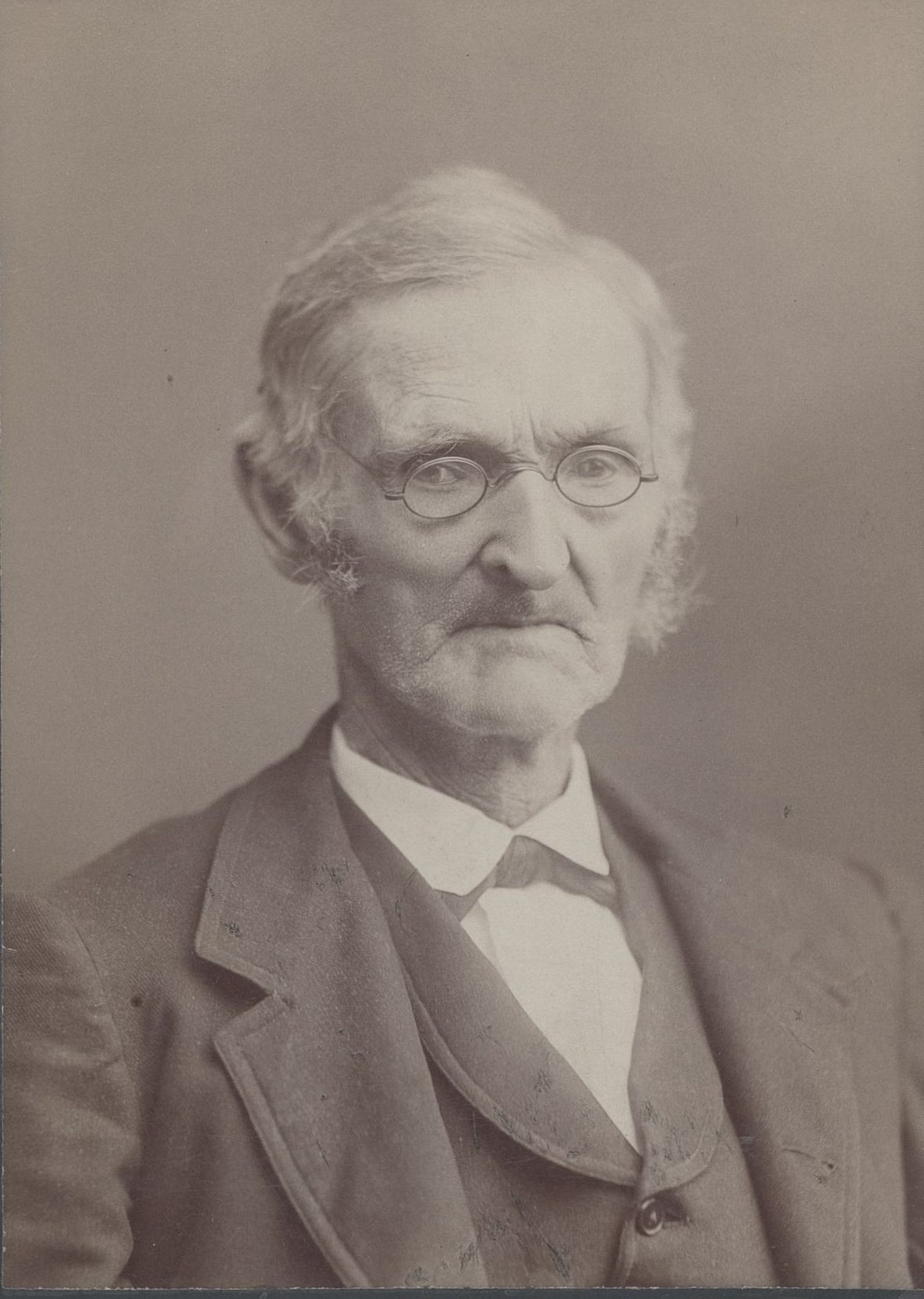
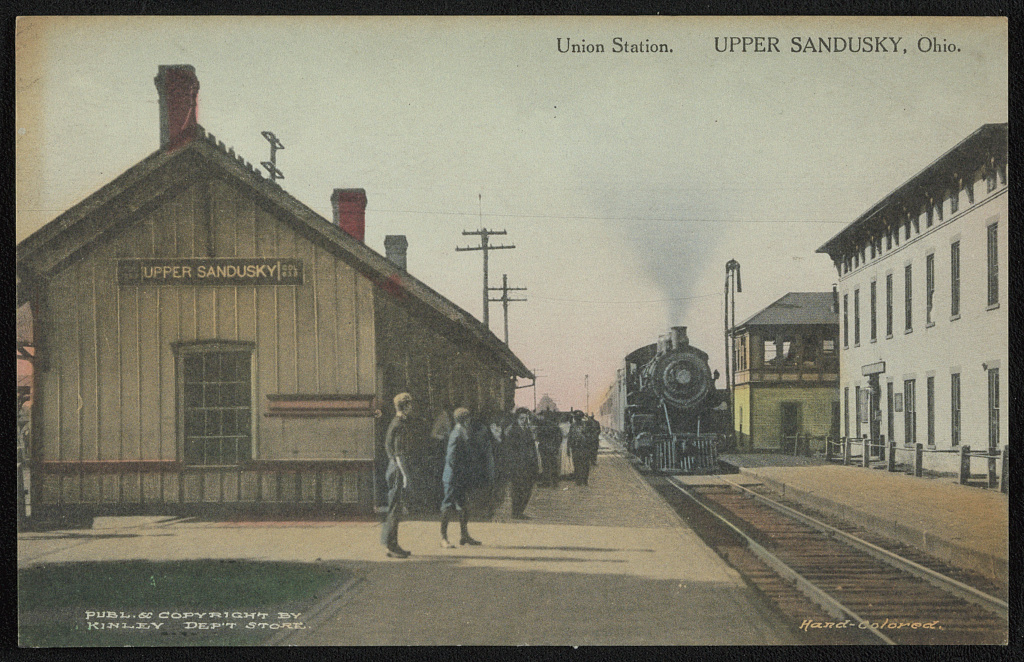
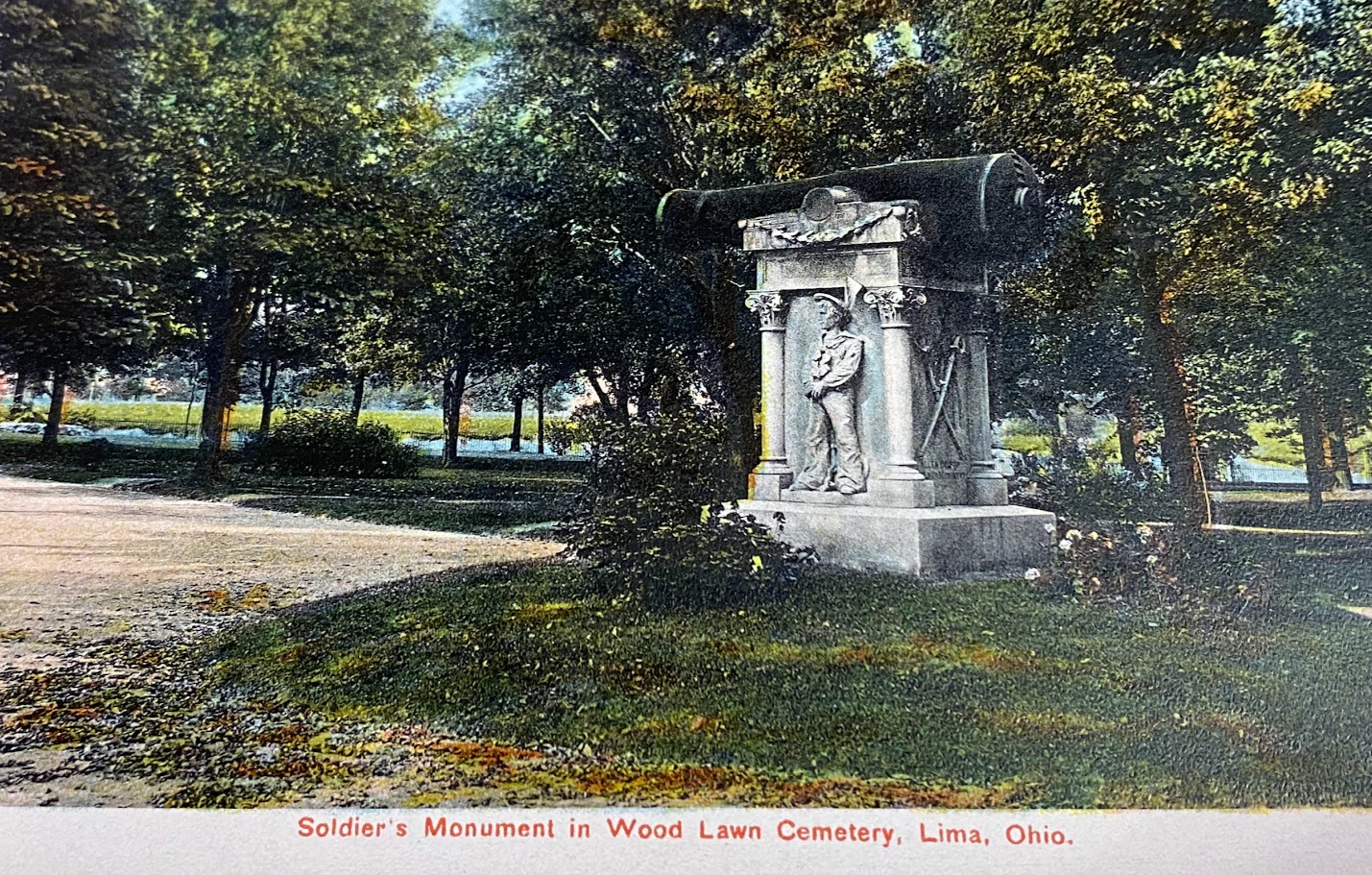
The rest of Faurot’s story is quite sad. Faurot tried to win the postmaster job in Lima to have a steady career.[47] In May of 1897, it was down to him and George Hall; unfortunately, for Faurot, Hall was chosen for the position.[48] In 1904, Faurot, one of his daughters, and his sister were visiting a friend in Upper Sandusky.[49] It was there that he would suffer three paralytic strokes.[50] A few days later on September 7, 1904, Faurot would pass away.[51] His funeral was held September 9, 1904, in Lima.[52] The streets were full of people watching the funeral procession on its way to Woodlawn Cemetery.[53] He was laid to rest in the cemetery he helped plan.[54] The last injustice of Faurot’s life was a lack of funds to fulfill his will.[55] However, even though Faurot’s end was sorrowful, his legacy is very strong in Allen County to this day.
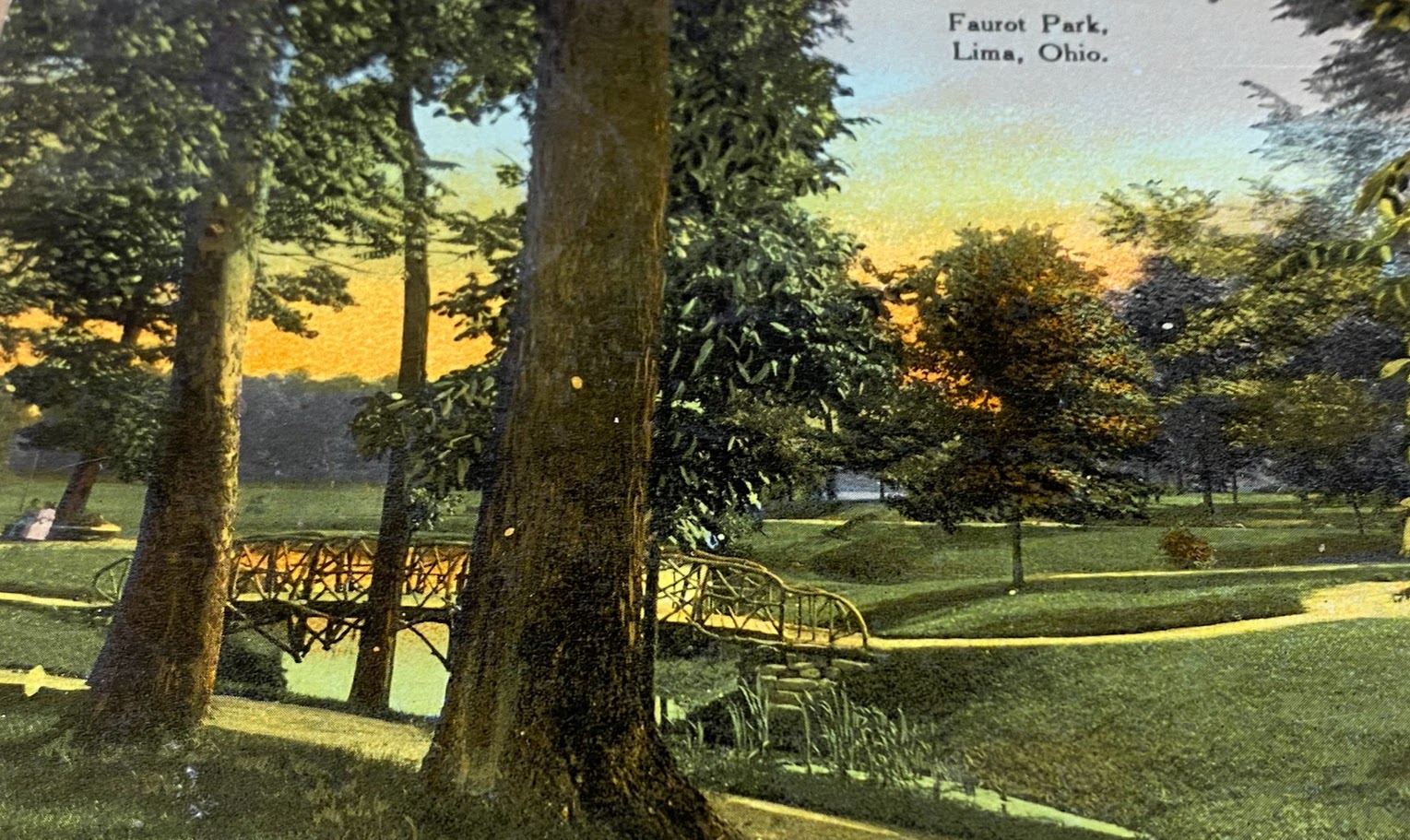
The History of Allen County, Ohio and Representative Citizens was published only two years after Faurot’s passing, but they wrote of him, “Much of his energy, determination and grit have been woven into the growth, development and prosperity of Lima.”[56] He was remembered for always lending help to charity, churches, and even businesses having troubles.[57] Faurot planned several beautiful places for the people of Lima, from the extensive park system to Woodlawn Cemetery.[58] Because of this, on July 4, 1907, City Park was renamed to Faurot Park, as it has been known ever since.[59] It was mentioned in several of Faurot’s obituaries that one of his greatest regrets was not being able to fund a public library or a university in Lima.[60] It was probably because of his dedication to education, that Oak Hall was renamed to Faurot School in 1919.[61] Faurot was also a part of bringing the YMCA to Lima, being one of the first board members.[62] Of course, the YMCA still plays a vital role here today. Likewise, Faurot held what is considered the first Allen County Fair on his estate in 1851.[63] That’s still a treasured annual event in Allen County today, 175 years later. Dr. S. A. Baxter, a business rival of Faurot’s, wrote, “When you ride in a street car, through the 400 acres in the west end, or in a carriage through the 100 acre park, or Woodlawn cemetery, or smell the odor of Lima oil, ask yourself who made these things possible and there is but one answer:” Faurot.[64]
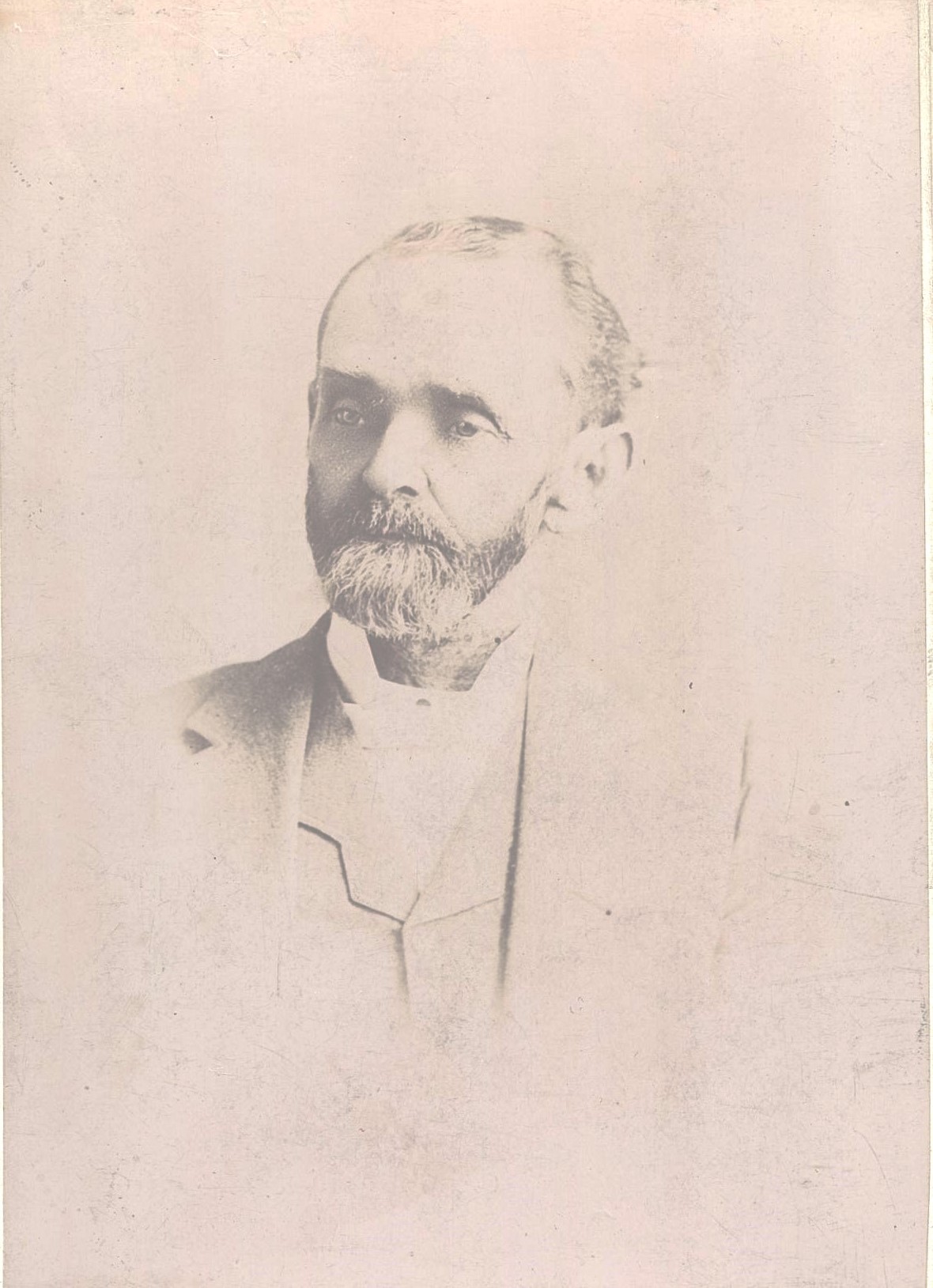
Benjamin Faurot is remembered for a multitude of things today. He created Lima’s first power plant, built the Faurot Opera, dug the first oil well, started his strawboard mill, and accomplished many more notable achievements. Yes, his railroad gamble ended terribly, but that does not negate all the contributions Faurot made to Lima and Allen County. He is a man who comes up almost endlessly when speaking about the history of this area, and hopefully, you see why after reading these two articles. We will leave you with one more quote by one of Faurot’s earliest biographers, Harvey S. Ford, “Yet, though Faurot failed, the street railway, the power plant, the opera house, the paper mill, the oil field, the city of Lima—all these remained, for the failures made their contributions to growth and progress, no less than the success.” [65]
Endnotes:
[1] Harvey S. Ford, “Story of Ben Faurot, Lima’s Financier and Builder,” The Lima News, December 31, 1952, in Faurot-Mexico file in the Allen County Archives.
[2] “Three Useful Lives, Chapter XX,” in History of Allen County, Ohio and Representative Citizens, ed. Dr. Charles C. Miller and Dr. Samuel A. Baxter, Richmond & Arnold, Chicago, Ill., 1906, 338.
[3] Harvey S. Ford, “Story of Ben Faurot, Lima’s Financier and Builder,” The Lima News, December 31, 1952, in Faurot-Mexico file in the Allen County Archives.
[4] Ibid.
[5] Adrienne McGee, “Faurot: The Man Behind the Name,” Lima News, June 1, 2011, at the Allen County Archives.
[6] Ibid.
[7] “Three Useful Lives, Chapter XX,” in History of Allen County, Ohio and Representative Citizens, ed. Dr. Charles C. Miller and Dr. Samuel A. Baxter, Richmond & Arnold, Chicago, Ill., 1906, 338.
[8] Ibid.
[9] Adrienne McGee, “Faurot: The Man Behind the Name,” Lima News, June 1, 2011, at the Allen County Archives.
[10] B. Carmon Hardy, “The Sonora Sinaloa and Chihuahua Railroad,” in Faurot-Mexico file at the Allen County Archives, 267.
[11] Ibid., 257-8.
[12] Ibid, 258.
[13] Ibid., 267.
[14] This could be an entire article by itself, but there was a lot of rivalry between Faurot and Brice from electric lights to railroad lines.
[15] Ibid.
[16] Ibid.
[17] “Three Useful Lives, Chapter XX,” in History of Allen County, Ohio and Representative Citizens, ed. Dr. Charles C. Miller and Dr. Samuel A. Baxter, Richmond & Arnold, Chicago, Ill., 1906, 338 and Harvey S. Ford, “Story of Ben Faurot, Lima’s Financier and Builder,” The Lima News, December 31, 1952, in Faurot-Mexico file in the Allen County Archives.
[18] Adrienne McGee, “Faurot: The Man Behind the Name,” Lima News, June 1, 2011, at the Allen County Archives.
[19] B. Carmon Hardy, “The Sonora Sinaloa and Chihuahua Railroad,” in Faurot-Mexico file at the Allen County Archives, 268.
[20] Adrienne McGee, “Faurot: The Man Behind the Name,” Lima News, June 1, 2011, at the Allen County Archives.
[21] “A Big Deal,” Daily Republican, December 21, 1890, in Faurot-Mexico file at the Allen County Archives.
[22] Harvey S. Ford, “Story of Ben Faurot, Lima’s Financier and Builder,” The Lima News, December 31, 1952, in Faurot-Mexico file in the Allen County Archives.
[23] Ibid.
[24] Ibid.
[25] Ibid.
[26] A briefing document on what had happened with the Lima National Bank, looks like it was a part of Harvey Seabury Ford’s gift of papers related to Benjamin Faurot, in Benjamin C. Faurot File in the Allen County Archives.
[27] B. Carmon Hardy, “The Sonora Sinaloa and Chihuahua Railroad,” in Faurot-Mexico file at the Allen County Archives, 268.
[28] A briefing document on what had happened with the Lima National Bank, looks like it was a part of Harvey Seabury Ford’s gift of papers related to Benjamin Faurot, in Benjamin C. Faurot File in the Allen County Archives.
[29] Harvey S. Ford, “Story of Ben Faurot, Lima’s Financier and Builder,” The Lima News, December 31, 1952, in Faurot-Mexico file in the Allen County Archives.
[30] Sources disagree about the amount, Ford says $225,000 and a newspaper notice from 1899 says $325,000. While the newspaper is from a closer time period, due to the numbers give Ford’s estimate seems more likely. Harvey S. Ford, “Story of Ben Faurot, Lima’s Financier and Builder,” The Lima News, December 31, 1952, in Faurot-Mexico file in the Allen County Archives and “Failure of Ben C. Faurot,” The Daily Herald, Delphos, Ohio, November 28, 1899, accessed June 11, 2025, https://www.ancestry.com/imageviewer/collections/7276/images/NEWS-OH-DA_HE.1899_11_28_0004.
[31] Adrienne McGee, “Faurot: The Man Behind the Name,” Lima News, June 1, 2011, at the Allen County Archives.
[32] “Suddenly Called,” Unknown Lima Newspaper, April 30, 1895, in Benjamin Faurot File at the Allen County Archives.
[33] Ibid.
[34] Ibid.
[35] Adrienne McGee, “Faurot: The Man Behind the Name,” Lima News, June 1, 2011, at the Allen County Archives.
[36] Ibid.
[37] Ibid.
[38] “Failure of Ben C. Faurot,” The Daily Herald, Delphos, Ohio, November 28, 1899, accessed June 11, 2025, https://www.ancestry.com/imageviewer/collections/7276/images/NEWS-OH-DA_HE.1899_11_28_0004.
[39] Ibid.
[40] Ibid.
[41] The 1976 History of Allen County, Ohio, ed. John R. Carnes, Unigraphic Inc., Evansville, IN, 1976, 163.
[42] Ibid.
[43] Ibid.
[44] Adrienne McGee, “Faurot: The Man Behind the Name,” Lima News, June 1, 2011, at the Allen County Archives.
[45] Harvey S. Ford, “Story of Ben Faurot, Lima’s Financier and Builder,” The Lima News, December 31, 1952, in Faurot-Mexico file in the Allen County Archives.
[46] “Letter to Mr. Co. O. Hunter from B. C. Faurot,” May 2, 1900, in Benjamin C. Faurot File in the Allen County Archives.
[47] Adrienne McGee, “Faurot: The Man Behind the Name,” Lima News, June 1, 2011, at the Allen County Archives.
[48] “[Update on Lima Postmaster Position],” The Times Democrat, May 14, 1897, accessed June 11, 2025, https://www.ancestry.com/imageviewer/collections/8207/images/NEWS-OH-TH_TI_DE.1897_05_14_0004.
[49] Harvey S. Ford, “Story of Ben Faurot, Lima’s Financier and Builder,” The Lima News, December 31, 1952, in Faurot-Mexico file in the Allen County Archives.
[50] “Penniless,” Unknown Newspaper, September 1904, in Benjamin Faurot File at the Allen County Archives.
[51] Adrienne McGee, “Faurot: The Man Behind the Name,” Lima News, June 1, 2011, at the Allen County Archives.
[52] Harvey S. Ford, “Story of Ben Faurot, Lima’s Financier and Builder,” The Lima News, December 31, 1952, in Faurot-Mexico file in the Allen County Archives.
[53] Ibid.
[54] Ibid.
[55] “Will of Late Benj. C. Faurot Probated,” Allen County Rebublican-Gazette, October 11, 1904, in Benjamin Faurot File in the Allen County Archives.
[56] “Three Useful Lives, Chapter XX,” in History of Allen County, Ohio and Representative Citizens, ed. Dr. Charles C. Miller and Dr. Samuel A. Baxter, Richmond & Arnold, Chicago, Ill., 1906, 338.
[57] Ibid.
[58] Ibid.
[59] Adrienne McGee, “Faurot: The Man Behind the Name,” Lima News, June 1, 2011, at the Allen County Archives.
[60] “Lima Honored Her Distinguished Dead,” Allen County Republican-Gazette, September 13, 1904, in Benjamin Faurot File at the Allen County Archives.
[61] “School is Named for Benj. Faurot,” The Lima Daily News, April 24, 1919, In Faurot, Benjamin C. File in the Allen County Archives.
[62] The 1976 History of Allen County, Ohio, ed. John R. Carnes, Unigraphic Inc., Evansville, IN, 1976, 739.
[63] “County Fairs Popular Since 1851 in Lima,” Lima News, June 28, 1959, accessed June 10, 2025, https://www.ancestry.com/imageviewer/collections/7751/images/NEWS-OH-LI_NE.1959_06_28_0041.
[64] “Dr. Baxter – Talks in Characteristic Way of Late B. C. Faurot,” Lima Times Democrat, October 18, 1905, accessed June 11, 2025, https://www.ancestry.com/imageviewer/collections/8018/images/NEWS-OH-LI_TI_DE.1905_10_18_0008.
[65] Harvey S. Ford, “Story of Ben Faurot, Lima’s Financier and Builder,” The Lima News, December 31, 1952, in Faurot-Mexico file in the Allen County Archives.
Photocredit:
“Edward S. Lacey, 7th Comptroller of Currency,” Office of the Comptroller of the Currency, accessed August 11, 2025, https://www.occ.treas.gov/about/who-we-are/history/previous-comptrollers/bio-07-edward-lacey.html.
“Ferromex’s Official Map of Division Chihuahua,” Mexican Railroads, accessed August 11, 2025, https://mexicanrailroads.blogspot.com/2008/08/ferromexs-linea-juarez-to-torreon.html.
“Michigan Central, ‘The Niagara Falls Route,’” 1893, American Rails, accessed August 11, 2025, https://www.american-rails.com/mc.html.
“Society for Savings Building,” Cleveland Memory, accessed August 11, 2025, https://www.clevelandmemory.org/ebooks/kennedy/c14.html.
“Union Station, Upper Sandusky, Ohio,” 1911, LC-DIG-pcrd-1a11562, accessed August 11, 2025, https://www.loc.gov/pictures/item/2025673422/.
All other images came from the Allen County Archives.













Leave A Comment