
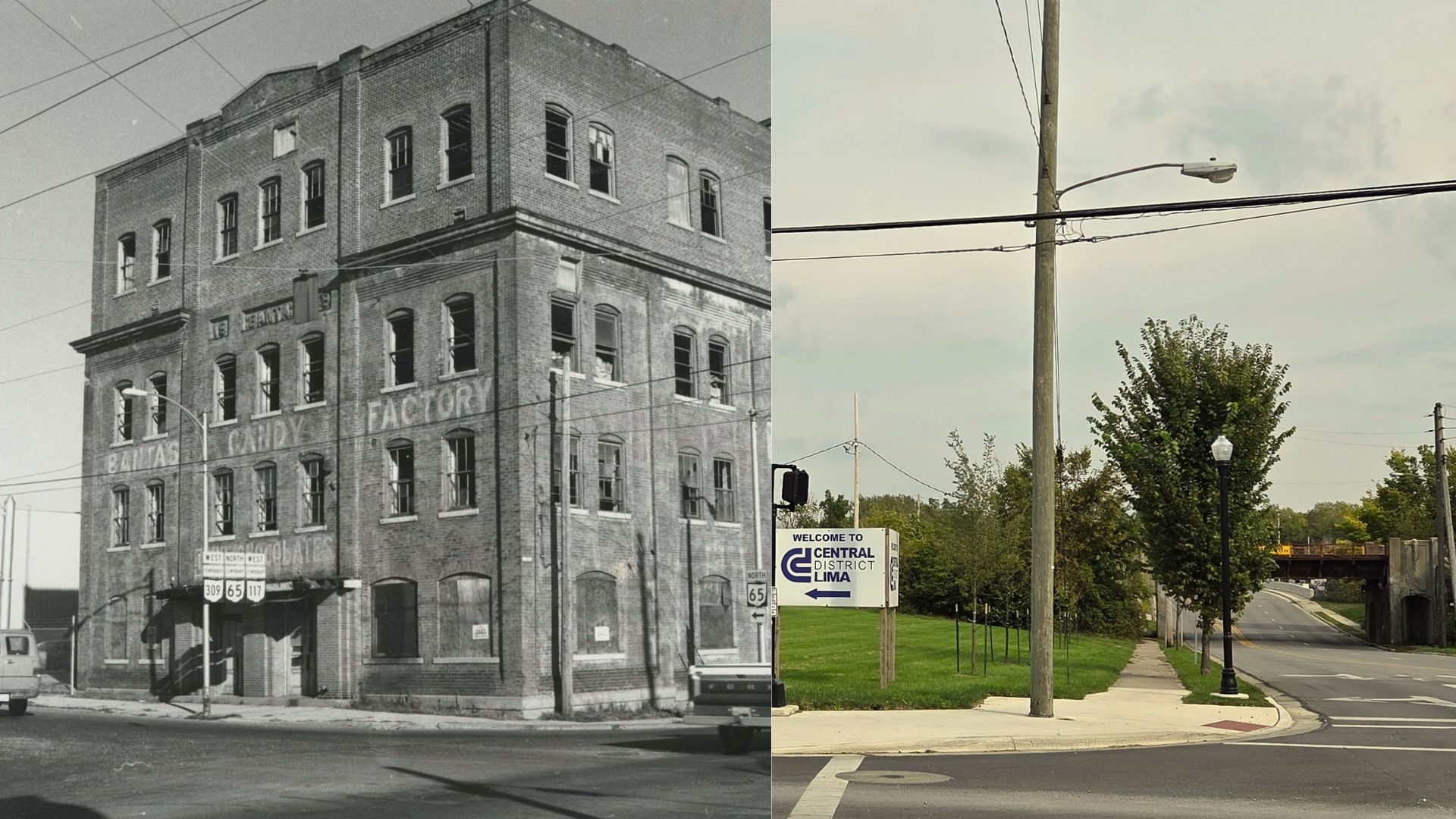
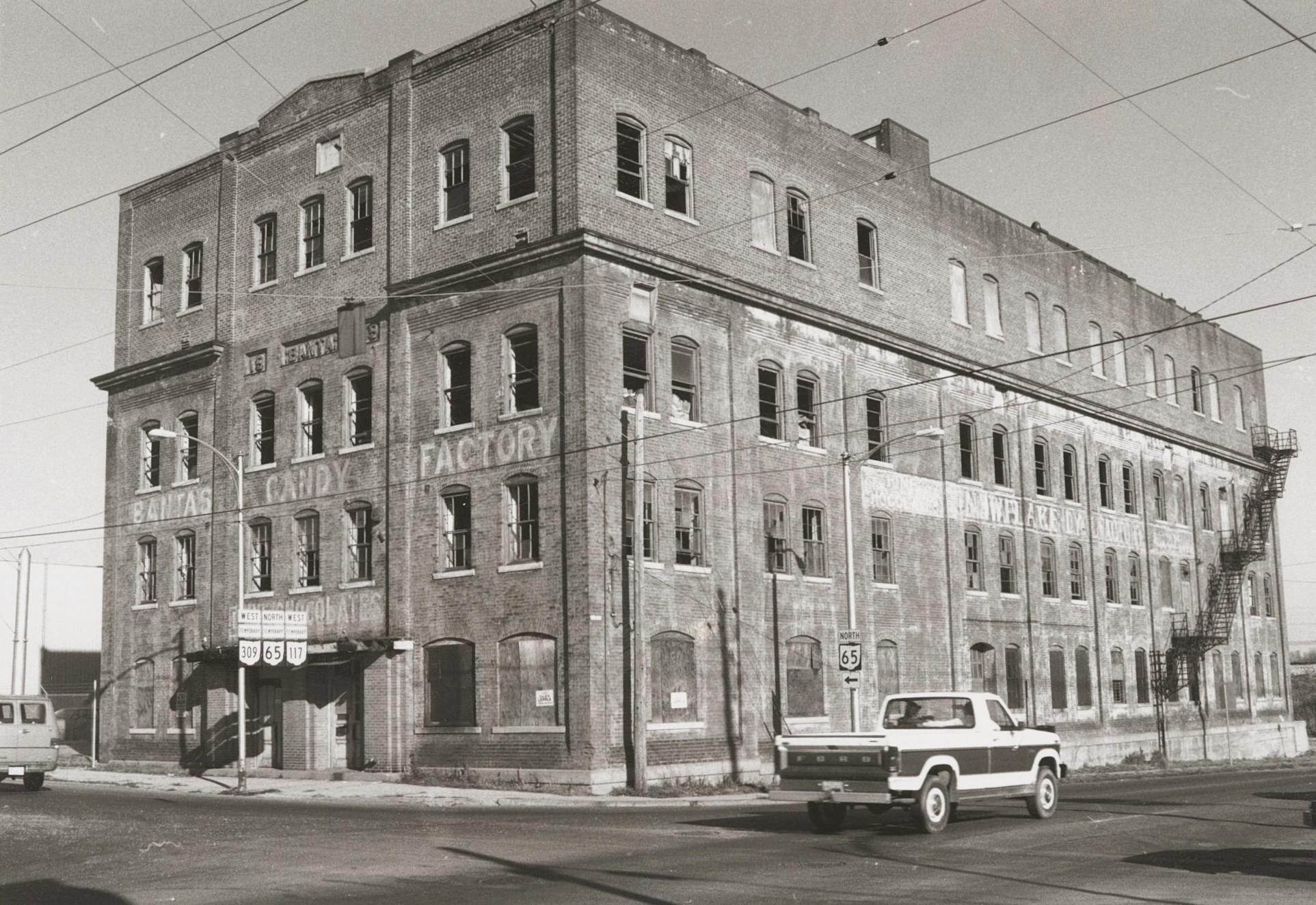
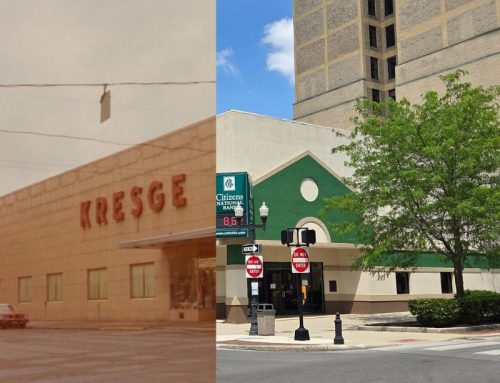
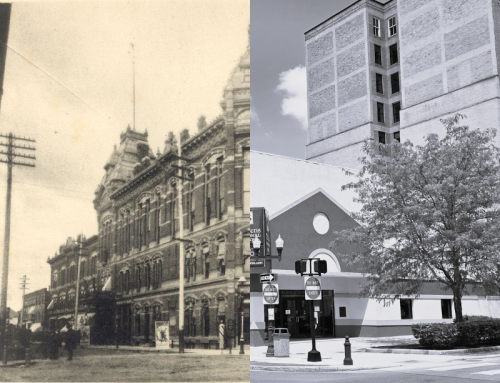
For this month’s newsletter, we will be talking about the former site of the Banta Candy Factory, at the corner of S. Central Ave. and E. Elm St.
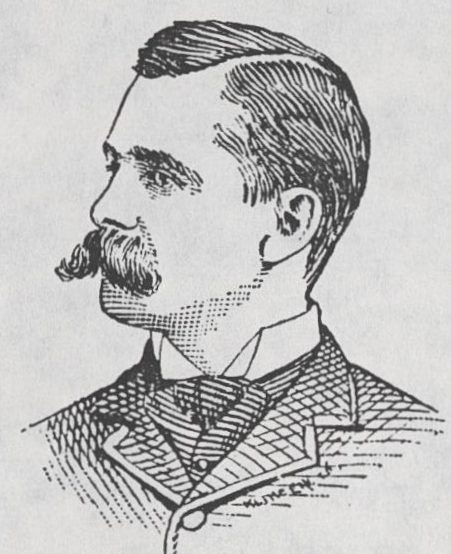
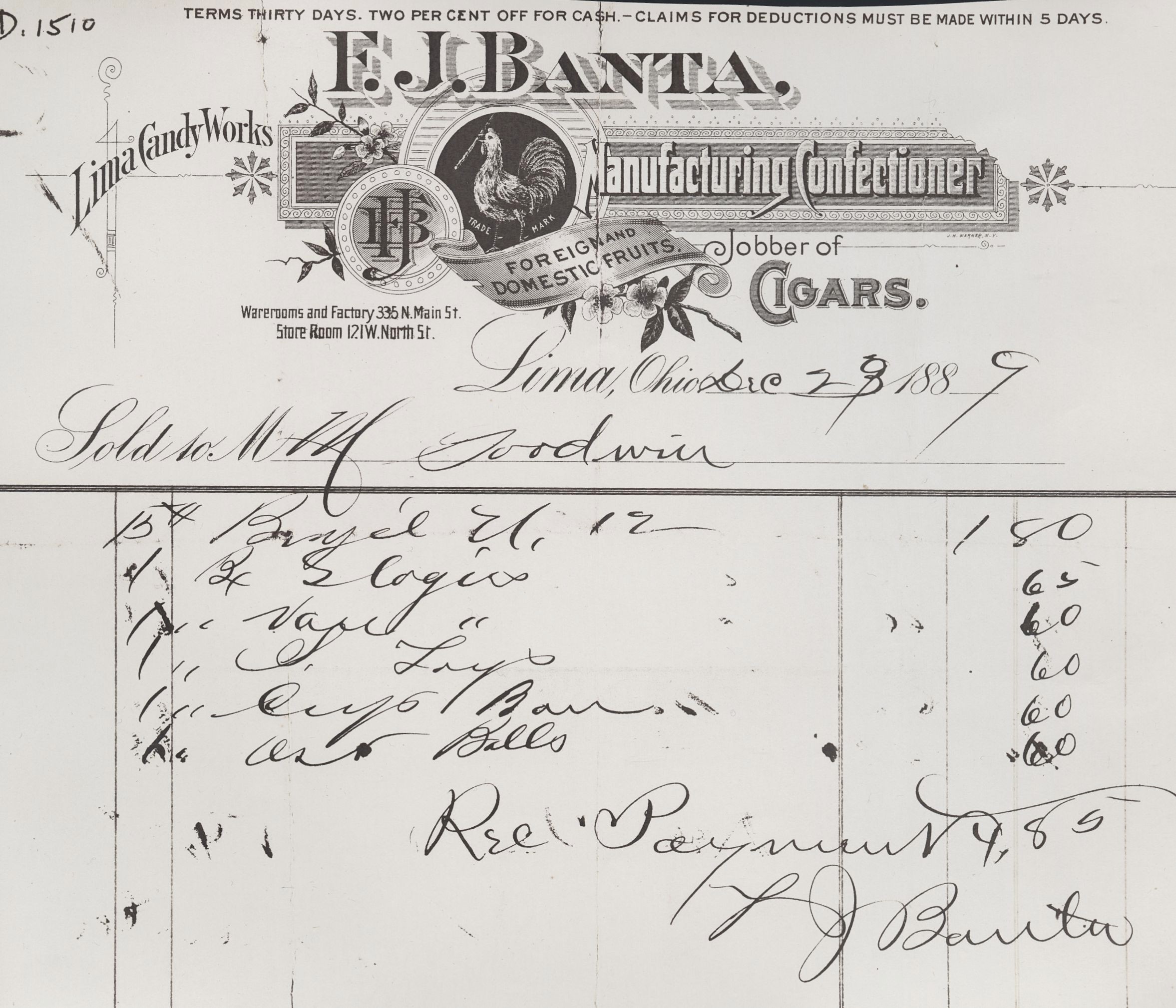
Frank J. Banta had arrived in Lima from Troy, Ohio in 1881. [1] He started a fruit business that soon evolved into a grocery and confectionary. By 1890, his warehouse and factory were both located at 121 W. North St., where Banta focused solely on candy and began to manufacture chewing gum. [2] Unfortunately, Banta’s first factory burnt down in 1902, in what the newspaper described as one of the biggest fires some citizens could recall. [3]
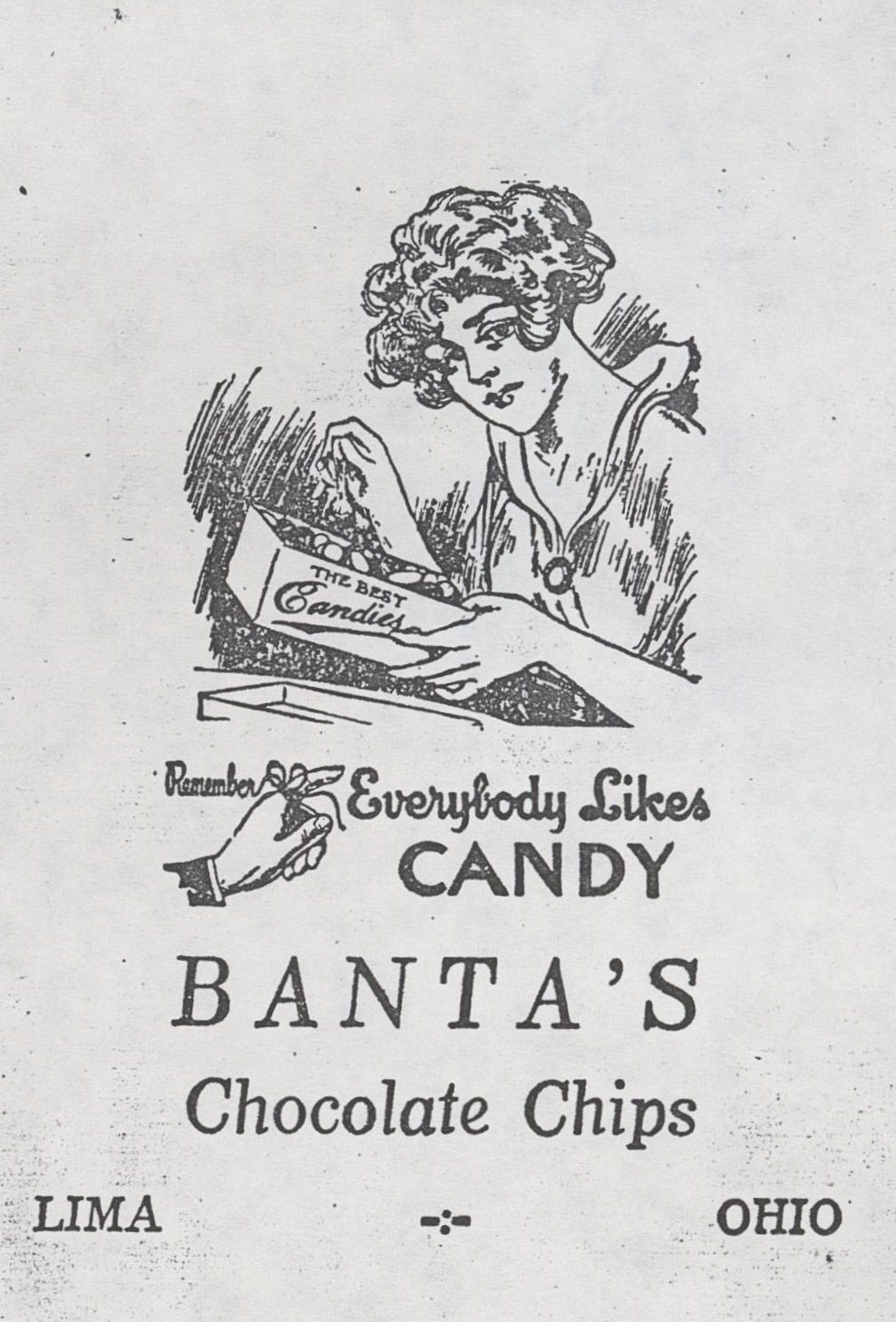
By 1909, it was time to rebuild. [4] The newspaper announced the new factory would cost upwards of $50,000 to build and would include modern conveniences like steam heating and cold storage facilities. Its frontage extended 50 ft. on Central Ave. and extended back 200 ft. on Elm St. It stood three stories high, and its walls were made of pressed brick. It was claimed to be fireproof. [5] By 1920, Banta bought the land surrounding the factory and added a fourth story to the building. It was one of the largest candy factories in Ohio. [6]
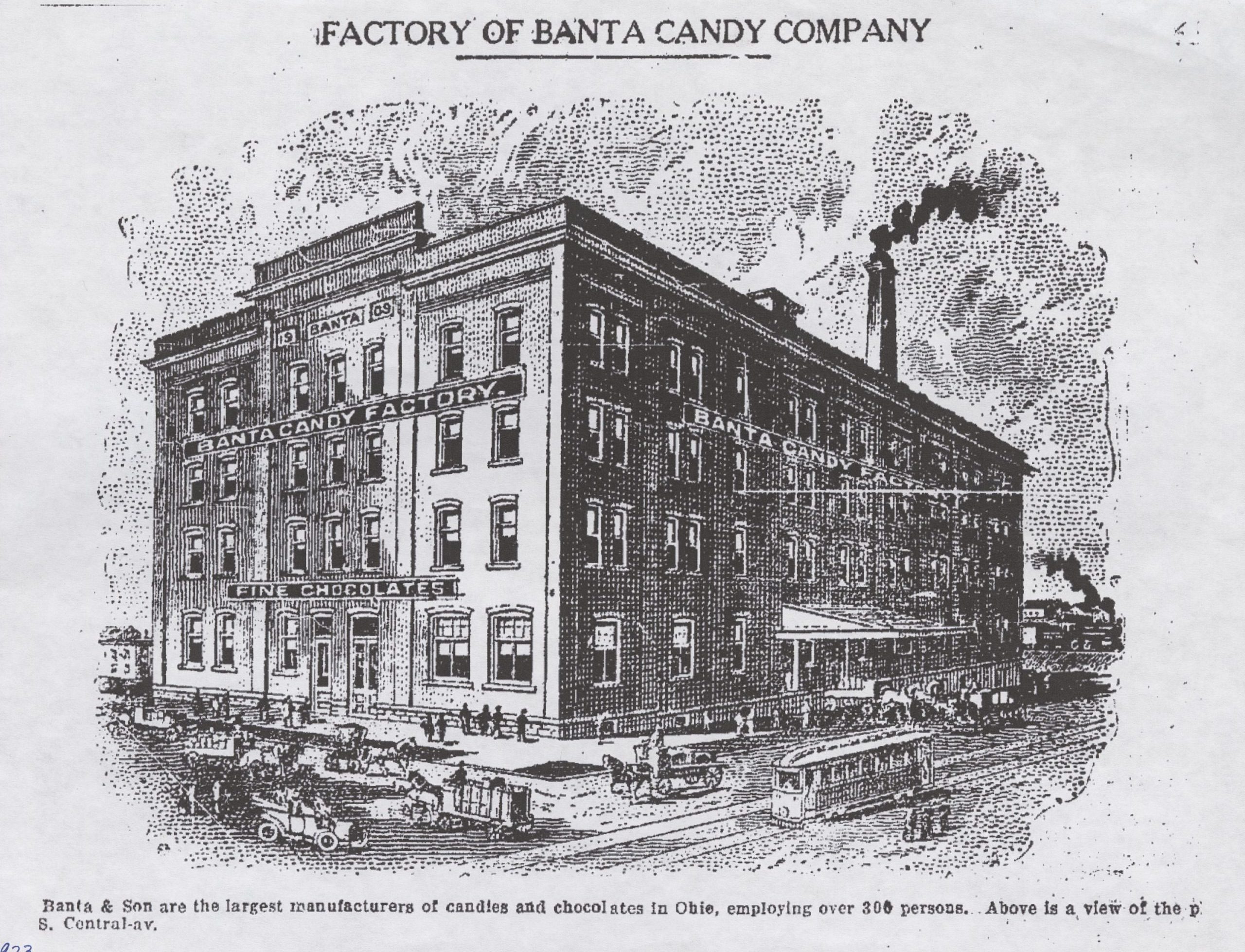
On the first floor were offices and a display room where the candy was exhibited. [7] There was also a ladies’ lounge, since most of Banta’s staff were young women and teenage girls. It included a cafeteria that served coffee and hot lunch. It even featured a piano and dance floor! [8] There was also a storage area where hundreds of sacks of peanuts were kept, which Banta imported not only domestically from Georgia, but also overseas from China and Japan. These were used for Banta’s peanut brittle. [9]
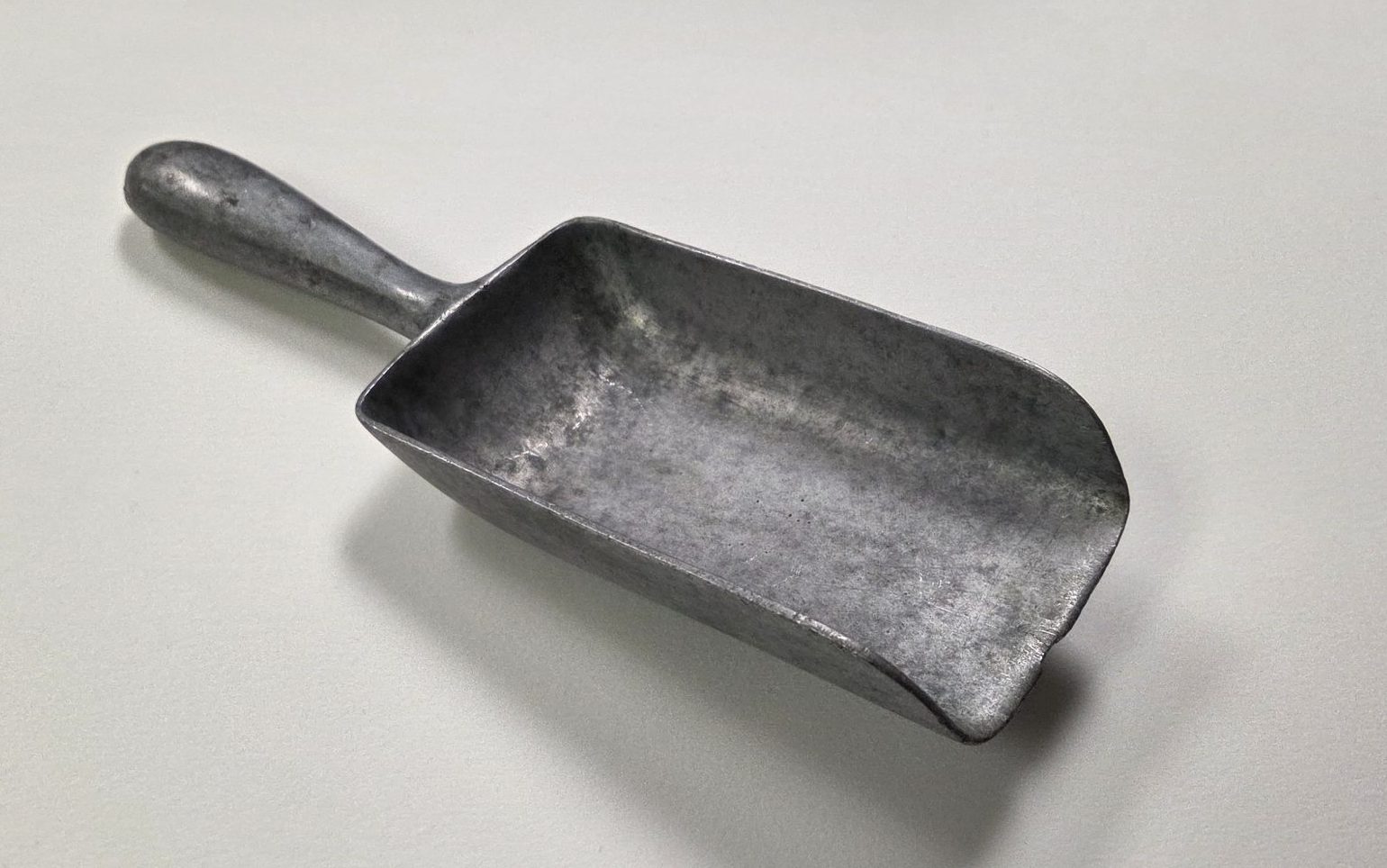
Candy was cooked in large copper kettles on the first floor and sent upstairs. Machines chopped bulk chocolate into tiny pieces to make chocolate chips. [10] The dipping rooms were on the second floor. [11] Cream fillings, shaped by wooden molds, were produced on the third floor. [12] While much of the dipping was done by hand, like for peanuts and cherries, Banta also possessed chocolate enrobers. These were machines with conveyor belts that rolled certain products under a drizzle of chocolate. [13] Lollipops and hard candies were wrapped by hand on the fourth floor. [14] Newspaper accounts during this period do not tell us which area of the factory produced Banta’s famous chewing gum. His most popular chewing gum flavors included: Sweet Clover, Blood Orange, Mint Julep, Lime Fruit, Banana, Crème de Menthe, Florida Fruit, Smacks, and Pepsin (a digestive aid, like today’s Pepto-Bismol). [15]
Banta also used a special machine that put a fancy mark or impress on top of the candy, known as “strings.” [16] After dropping onto a sheet of wax paper, trays of finished products were taken to the cold storage areas to harden and await packaging. Most candies were wrapped in tinfoil. Once the completed box was tied with a ribbon, it was ready for delivery. [17]
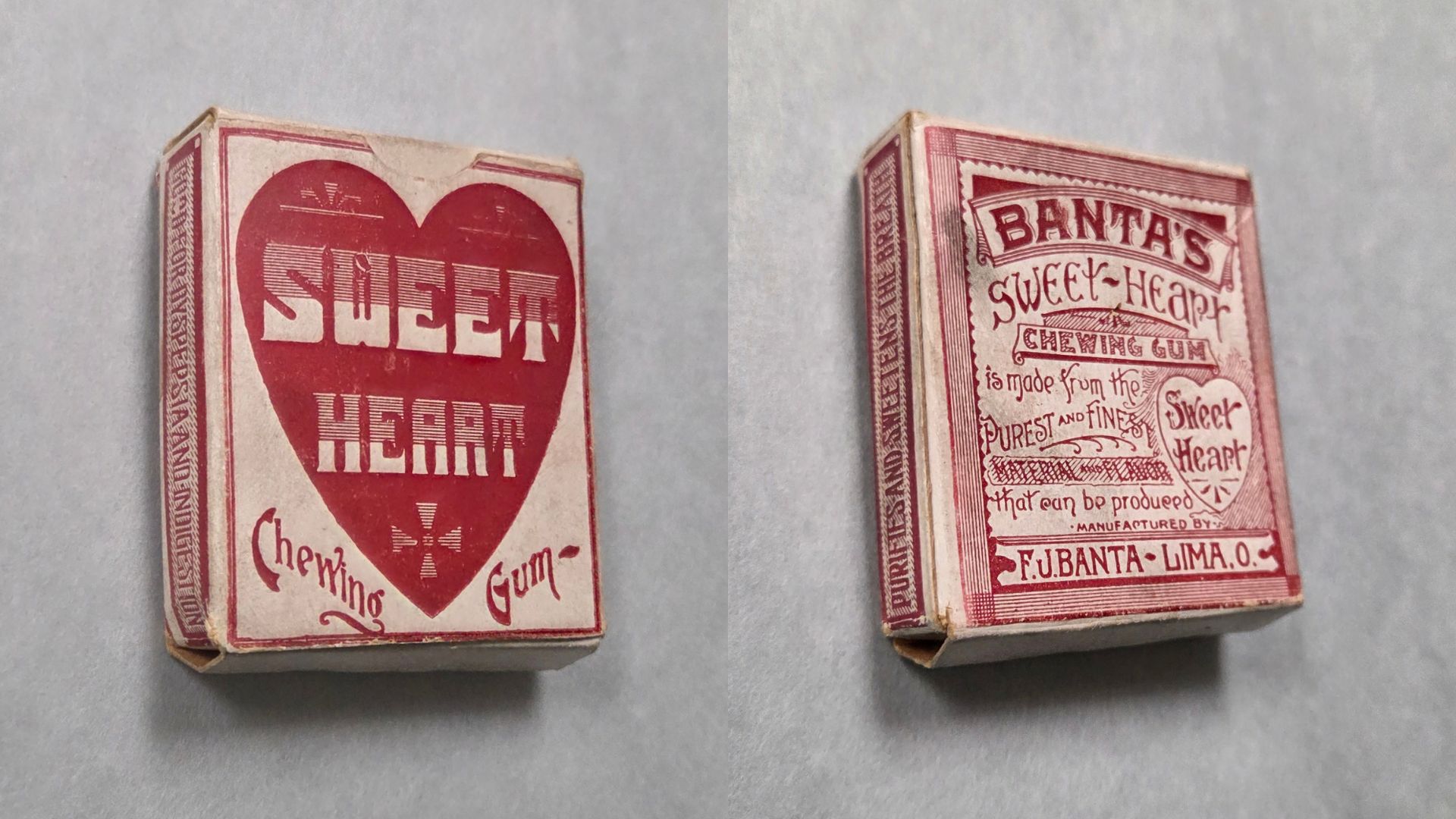
The front and back of a Banta's chewing gum box. This flavor was called Sweet Heart.
In 1914, a fire ruined $10,000 worth of candy and $15,000 worth of machinery, including three of the chocolate enrobers. Banta shut down temporarily, leaving 150 employees without a job. [18] Sugar rationing and shortages during WWI also put a strain on candy production. [19] Banta’s bounced back, and in 1920, the company did over $1 million in business. [20] At the factory’s peak, Banta’s staff consisted of 300 people including accountants, stenographers, machinists, lollipop wrappers, candy dippers and more. [21] He also employed a troop of five traveling salesmen. In 1923, Banta’s produced approximately 40,000 lbs. of candy daily. [22] A pivotal part of Banta’s success was access to the railroad and interurban lines. Over 1,500 retailers within a 100-mile radius of Lima stocked his candy. [23]
Unfortunately, the Great Depression took its toll on Banta’s. The company was put under court-ordered financial receivership, and production stopped for six months so that pipes and machinery could be fixed. [24] It reopened in early 1936, with limited operations: only 45 employees and a peak output of 5,000 lbs. of candy per day. Banta’s also received a $15,000 Reconstruction Finance Corp. Loan, which the government issued to struggling businesses to help stimulate local economies after the Great Depression. [25] Sadly, it wasn’t enough, and the Columbus Mutual Life Insurance Company filed suit for $31,998 the total amount due on a promissory note and tax delinquency. [26] The factory was appraised at $45,000 and put up for auction on February 15, 1939. There were no bidders. [27]
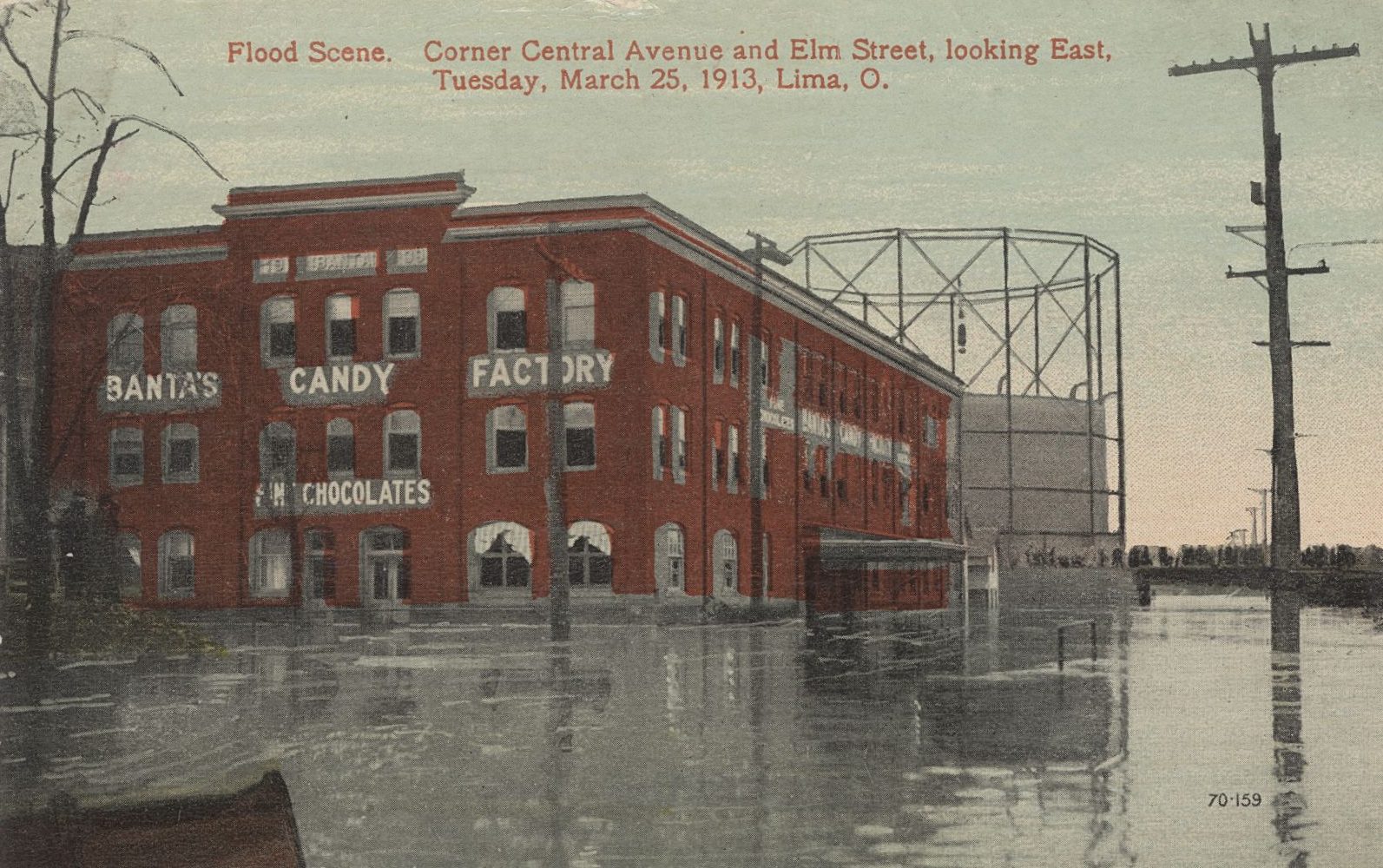
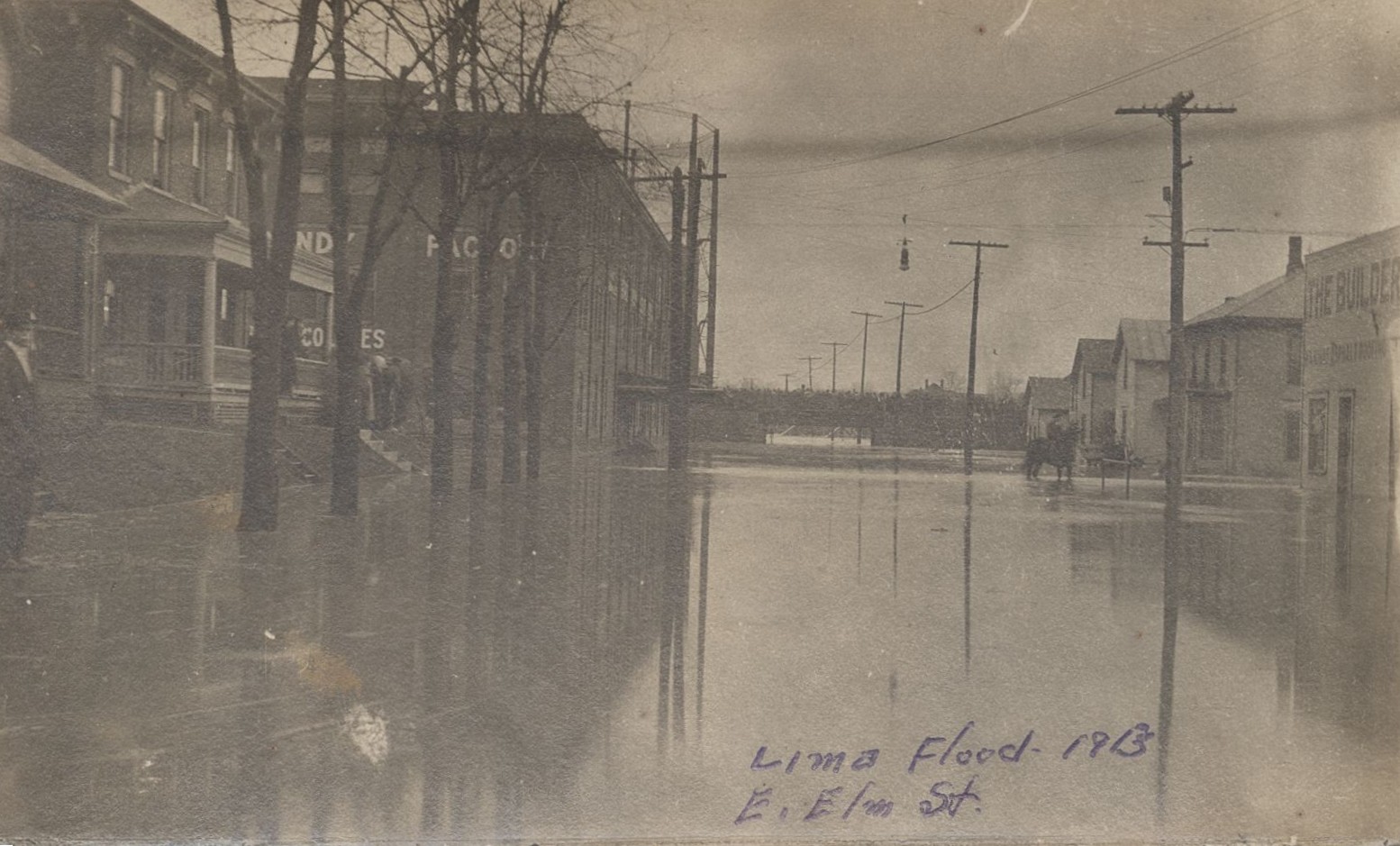
By the end of 1939, the property was bought by Snowflake Laundry and Dry Cleaning Company for $25,000. [28] Manager Bert O. Sarber spent $5,000 fixing up the building and opened it in 1940. [29] On the first floor were offices, a women’s lounge, and the rug cleaning department. On the second floor were the dry-cleaning and laundry departments. He also built a new loading dock at the rear of the building. The top two floors remained empty. [30] Snowflake Laundry and Dry Cleaning closed in 1943 due to Sarber’s poor health and a shortage of workers. [31]
In 1944, Lennox Furnace Company president D. W. Norris visited Lima to announce that a second branch would open in town. It was located at the former Banta property and appropriately dubbed Lima Plant No. 2. The government had contracted Lennox to build parts for aircraft engines, and this important work would carry on throughout the duration of World War II. [32] By the 1957-1958 city directory, the building is listed as vacant. [33]
Eventually, the property was sold to Peter Balsamo of Fort Wayne, IN who would go on to receive citations from the city regarding the upkeep of the yard and building. [34] In 1989, the Ohio Environmental Protection Agency oversaw the removal of asbestos and also 37 drums of ignitable chemical waste from the empty factory, which had slowly started leaking. [35] Balsamo was later ordered to appear in court for failure to clean up the remaining trash from the building. [36]
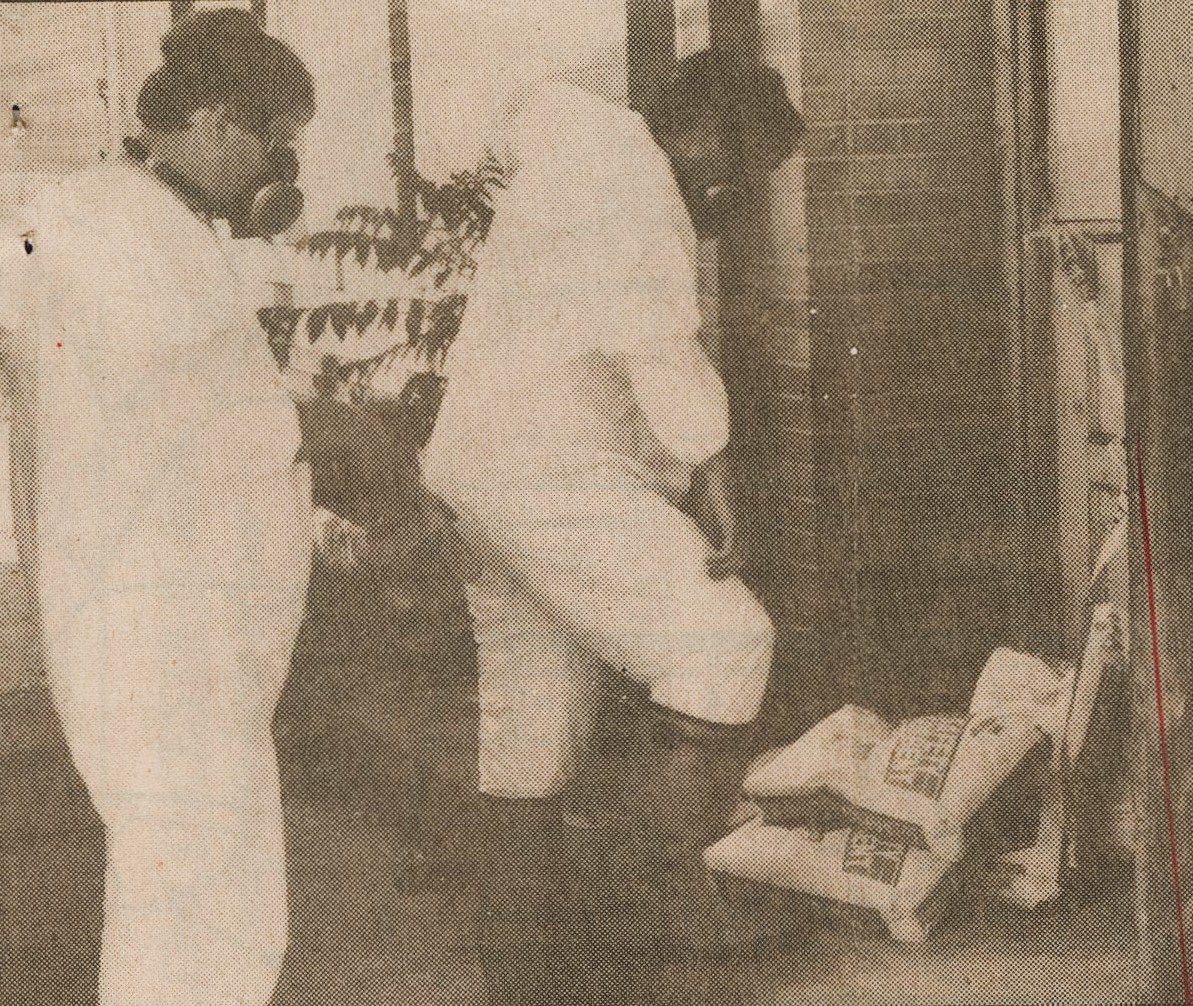
Despite the city’s efforts, the building was still a serious safety hazard. [37] City officials worried about liabilities, including City Engineer and Building Commissioner Charles R. Follrod, who wrote a memo to the mayor’s office stating: “the threat of imminent danger to the public is very real… [outdoor] conditions could cause these walls to buckle and possibly collapse… they’ve totally lost their roofs; you can see daylight.” [38] A lack of city funds and ongoing opposition from the building’s owner delayed demolition. [39] Additionally, federal funds were halted temporarily after the Ohio Historical Society declared the old candy factory a significant landmark. [40] During a meeting The Lima News described as “boisterous,” City Council president Keith A. Cunningham suggested barricading portions of State Routes 117 and 309 near the factory unless it got torn down, noting the risks to vehicle and pedestrian traffic. [41] Since these sections of the routes were within city limits, ODOT would allow it. [42]
The Ohio Historical Society capitulated, ending a legal battle that had lasted over two years. [43] The city could now use $67,600 in Community Block Development Grant funds to demolish the building. [44] It was finally razed to the ground on September 2, 1994, while a crowd of Lima’s citizens stood watching with sweet relief. [45]
Today, if you visit the former site of Banta’s candy factory, you will find a grassy lot and a sign welcoming you to Lima’s Central District, which includes a variety of locally owned shops and eateries. Frank J. Banta’s legacy continues at the Allen County Museum. The family home he built in 1893 is available for guided tours during museum hours.
End notes:
[1] “Frank J. Banta Dies at Age 88,” The Lima News Friday April 20, 1945
[2] “The Candy Man,” The Lima News. Reminisce. September 14, 2011
[3] “Fire Destroys Banta Candy Factory” Lima Times Democrat January 16, 1902
[4] “F. J. Banta Candy Co. Will Occupy New Building Which Will Go Up At Once.” Allen County Republican Gazette. Tuesday July 6, 1909
[5] “F. J. Banta Candy Co. Will Occupy New Building Which Will Go Up At Once.” Allen County Republican Gazette. Tuesday July 6, 1909
[6] “Banta’s Candies are Favorite” The Lima News September 9, 1923
[7] “Candy Making and How the Industry Has Spread the Fame of Lima All Over America- Romance of the F. J. Banta Company” Lima Times Democrat. June 4, 1921
[8] “Candy Making and How the Industry Has Spread the Fame of Lima All Over America- Romance of the F. J. Banta Company” Lima Times Democrat. June 4, 1921
[9] “Candy Making and How the Industry Has Spread the Fame of Lima All Over America- Romance of the F. J. Banta Company” Lima Times Democrat. June 4, 1921
[10] “Candy Making and How the Industry Has Spread the Fame of Lima All Over America- Romance of the F. J. Banta Company” Lima Times Democrat. June 4, 1921
[11] Interview with Former Banta Employee Lucy Mathers, at age 100. By Jean McCluer. September 8, 2011
[12] Interview with Former Banta Employee Naomi Buetner, at age 95. By Jean McCluer. Tuesday April 27, 2010.
[13] “Candy Making and How the Industry Has Spread the Fame of Lima All Over America- Romance of the F. J. Banta Company” Lima Times Democrat. June 4, 1921”
[14] Interview with Former Banta Employee Naomi Buetner, at age 95. By Jean McCluer. Tuesday April 27, 2010.
[15] “F. J. Banta, Candy Manufacturer” Principal Cities on the Chicago & Erie Railway September 1890, p. 73
[16] “Candy Making and How the Industry Has Spread the Fame of Lima All Over America- Romance of the F. J. Banta Company” Lima Times Democrat. June 4, 1921”
[17] “Candy Making and How the Industry Has Spread the Fame of Lima All Over America- Romance of the F. J. Banta Company” Lima Times Democrat. June 4, 1921”
[18] “Loss By Fire is Heavy” Lima Times Democrat. Wednesday May 6, 1914
[19] “Santa Claus to Cut Down Supply of ‘Xmas Candies” Lima Democratic News November 11, 1917
[20] “Candy Making and How the Industry Has Spread the Fame of Lima All Over America- Romance of the F. J. Banta Company” Lima Times Democrat. June 4, 1921
[21] “Candy Making and How the Industry Has Spread the Fame of Lima All Over America- Romance of the F. J. Banta Company” Lima Times Democrat. June 4, 1921
[22] “Banta’s Candies Are Favorite” September 9, 1923
[23] “Candy Making and How the Industry Has Spread the Fame of Lima All Over America- Romance of the F. J. Banta Company” Lima Times Democrat. June 4, 1921
[24] “Repairs Delay Reopening of Candy Factory” The Lima News. January 8, 1936
[25] “Banta’s to Put 80 on Payroll” the Lima News January 2, 1936
[26] “Banta Candy Co. Property to be Sold By Court” January 14, 1939
[27] “Five Properties Sold By Sheriff Saturday; Banta Plant Passed Up,” The Lima News. February 26, 1939
[28] “Banta Building Sold to Snowflake Laundry Company for $25,000” The Lima News. December 17, 1939
[29] “Banta Building Sold to Snowflake Laundry Company for $25,000” The Lima News. December 17, 1939
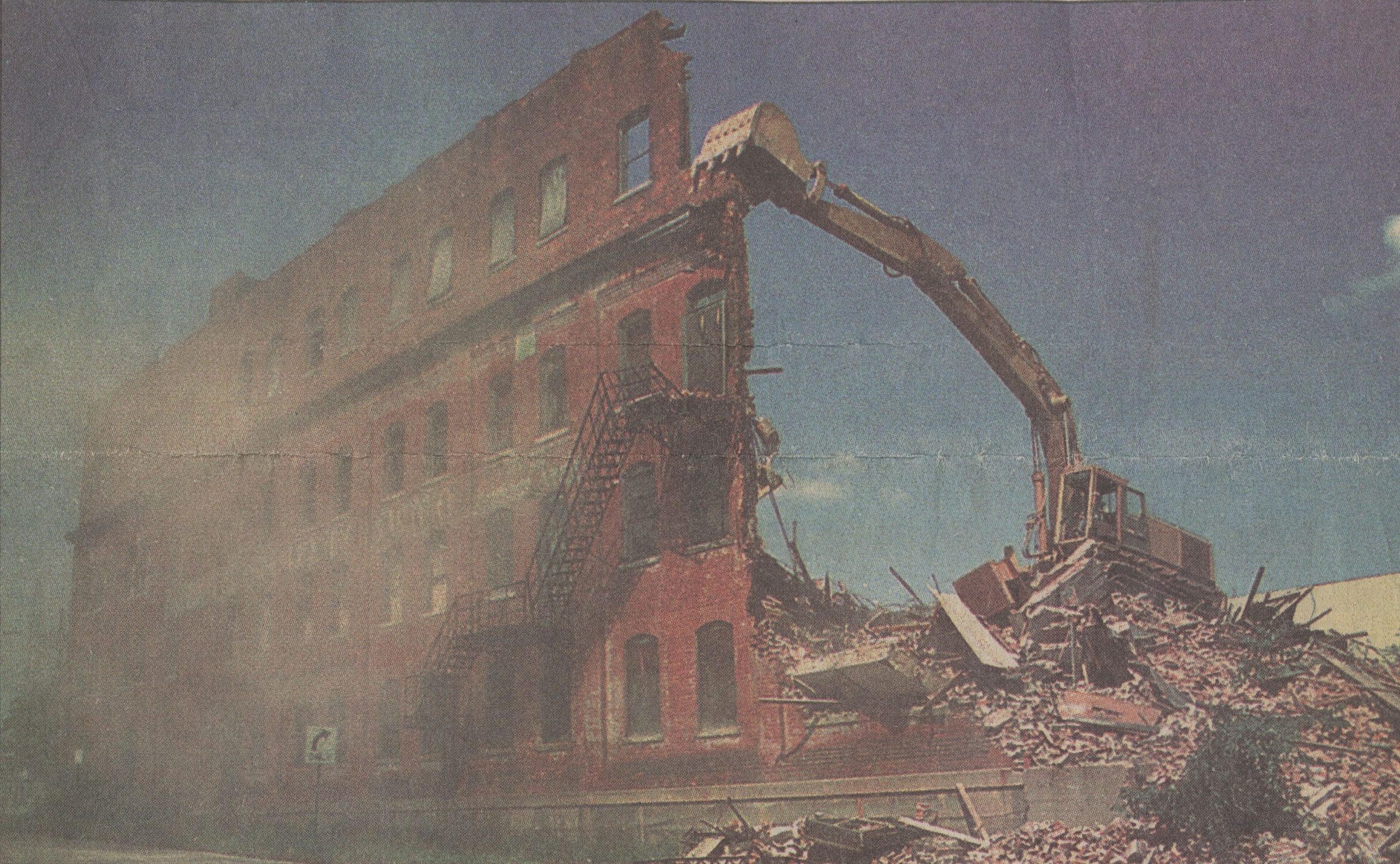
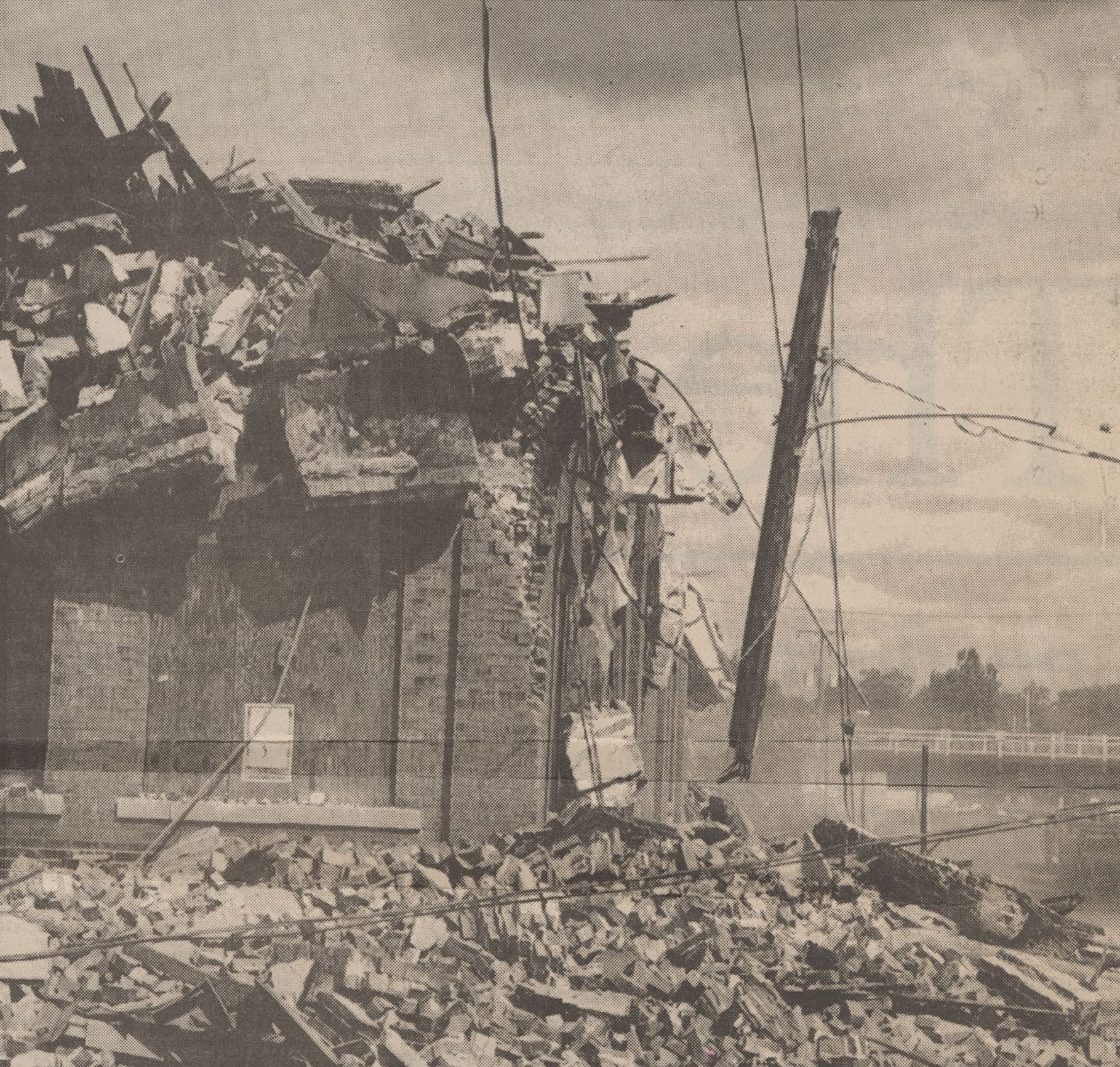
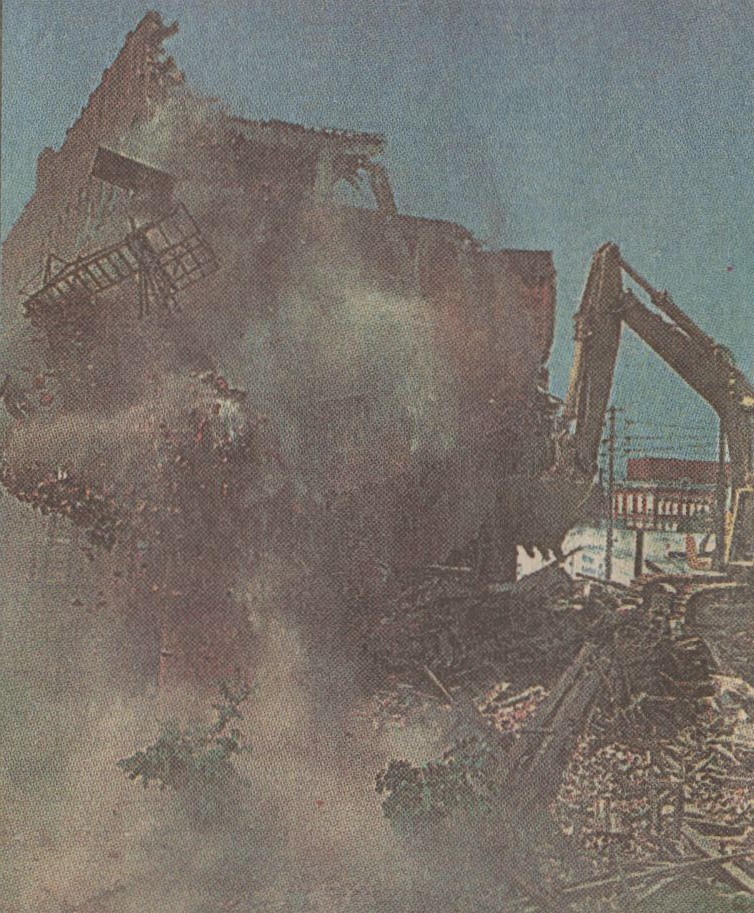
[30] “Banta Building Sold to Snowflake Laundry Company for $25,000” The Lima News. December 17, 1939
[31] “Help Shortage Forces Laundry to Close Doors,” The Lima News. July 2, 1943
[32] “300 Will Be Employed by New Industry,” the Lima News. January 23, 1944
[33] The Lima City Directory R. L. Polk & Co. Publishers. 1957-1958
[34] “Notice to Cut Weeds”; Legal No. 609. Public Works Dept. City of Lima, Ohio. August 9, 1973
[35] “Asbestos Poses New Challenges in Cleanup Effort” The Lima News June 21, 1989
“Cleanup of Hazardous Waste Underway at Downtown Site,” The Lima News. June 3, 1989
[36] “Summons Issued in Trash Cleanup.” The Lima News July 13, 1989
[37] “Razings Delayed Again,” the Lima News. February 1, 1994
[38] “Old Buildings Call Hazard” The Lima News. December 28, 1993
[39] “Old Buildings Call Hazard” The Lima News. December 28, 1993
[40] “Demolition Costs Fall in Line,” The Lima News. May 18, 1994
[41] “Demolition Roadblock” The Lima News. February 8, 1994
[42] “Demolition Roadblock” The Lima News. February 8, 1994
[43] “Demolition Clears Hurdles” The Lima News. June 11, 1994
[44] “Eyesore Coming Down,” the Lima News. September 2, 1994
[45] “Sweet Farewell” The Lima News. Saturday September 3, 1994













Leave A Comment