
Before venturing further, it is vital to note that before any settlers or pioneers came to the Allen County area, it was the home and trade location of many indigenous tribes, including the Shawnee, Kiikaapoi, Kaskaskia, and Myaami Tribes. These tribes and more were forcefully removed from Allen County and Ohio, and to tell the story of this area without acknowledging this would be an erasure of history. We recognize and honor the past, present, and future lives of Indigenous people in Allen County, as well as the historic tribes that have inhabited the area, and recognize their continued resilience as the original stewards of this land.
Before he put Lima on the map as an oil boomtown, 1882 was another significant year in the life of Ben Faurot, who had just spent $225,000 (or $7.1 million today) on the Faurot Block. [1] The announcement stated “[this] business block should stand as a model for others to pattern after, and help improve the style of business buildings to be erected in our city.” [2] While the block housed several stores and offices, in this newsletter our focus will be on the Faurot Opera House. For more information about the life of Benjamin C. Faurot, read our September 2025 newsletter here.
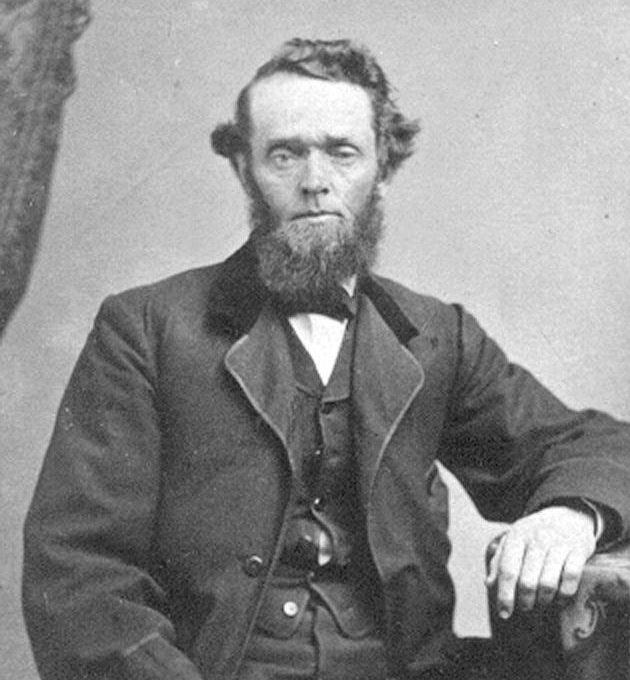
By the 1880s Lima already had several theatrical and musical groups including a thespian club, a band, orchestra, and choral society that performed at various local functions such as political rallies, parades, and picnics. Downtown held a few venues in which local or traveling groups took to the stage,[3] but as the Gilded Age dawned, opera was becoming an increasingly popular pastime for the upper class. Ben Faurot, having land that was acquired from John Shade back in 1874, was planning a gift for the city that he dreamed would be Lima’s crown jewel. [4] In 1838, Amos and Elizabeth Alford had purchased a house on the same corner lot for $350. [5]
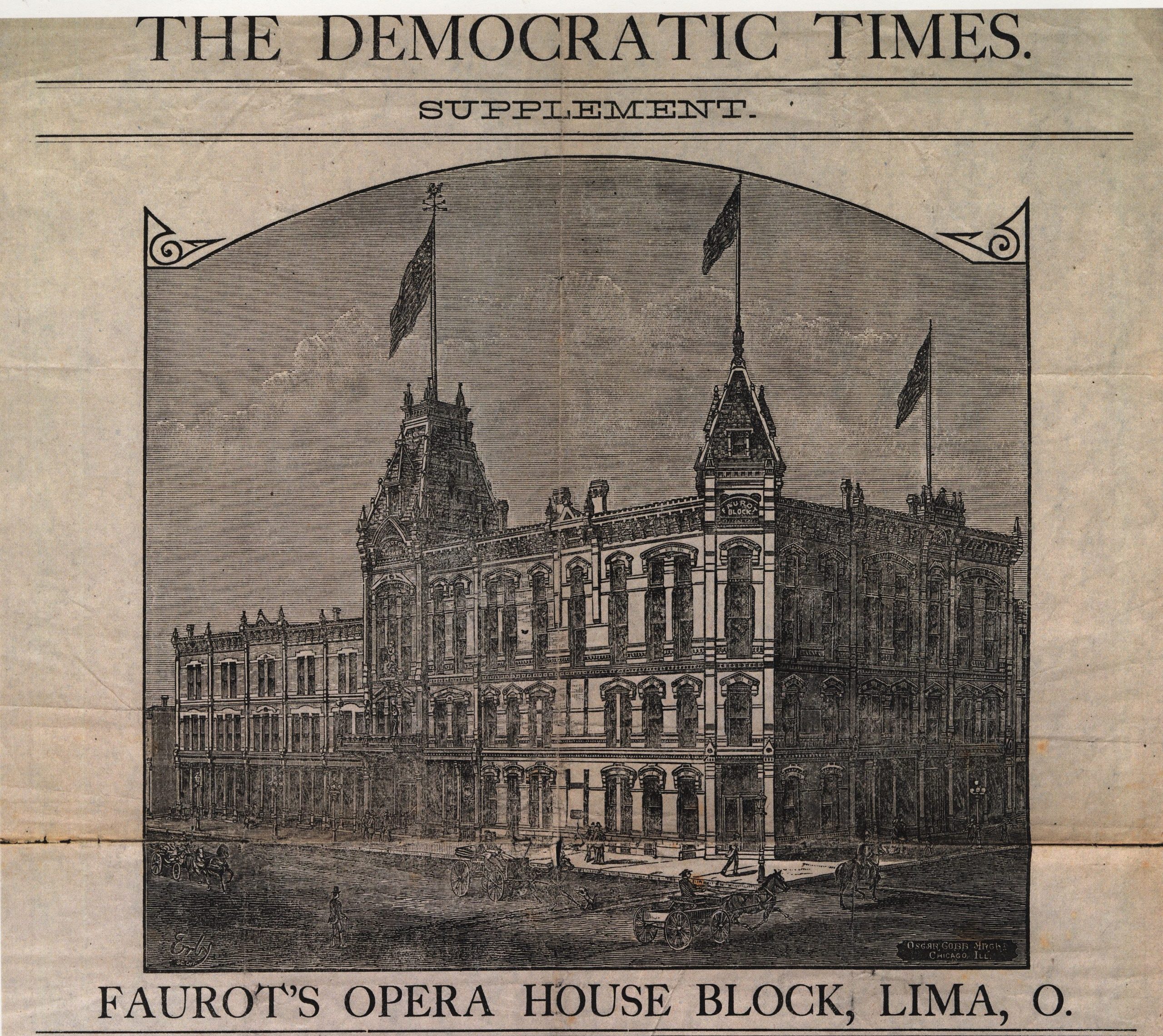
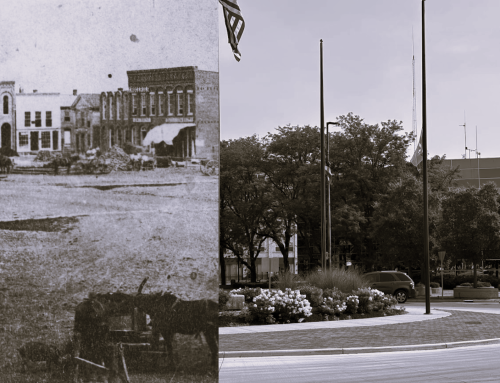
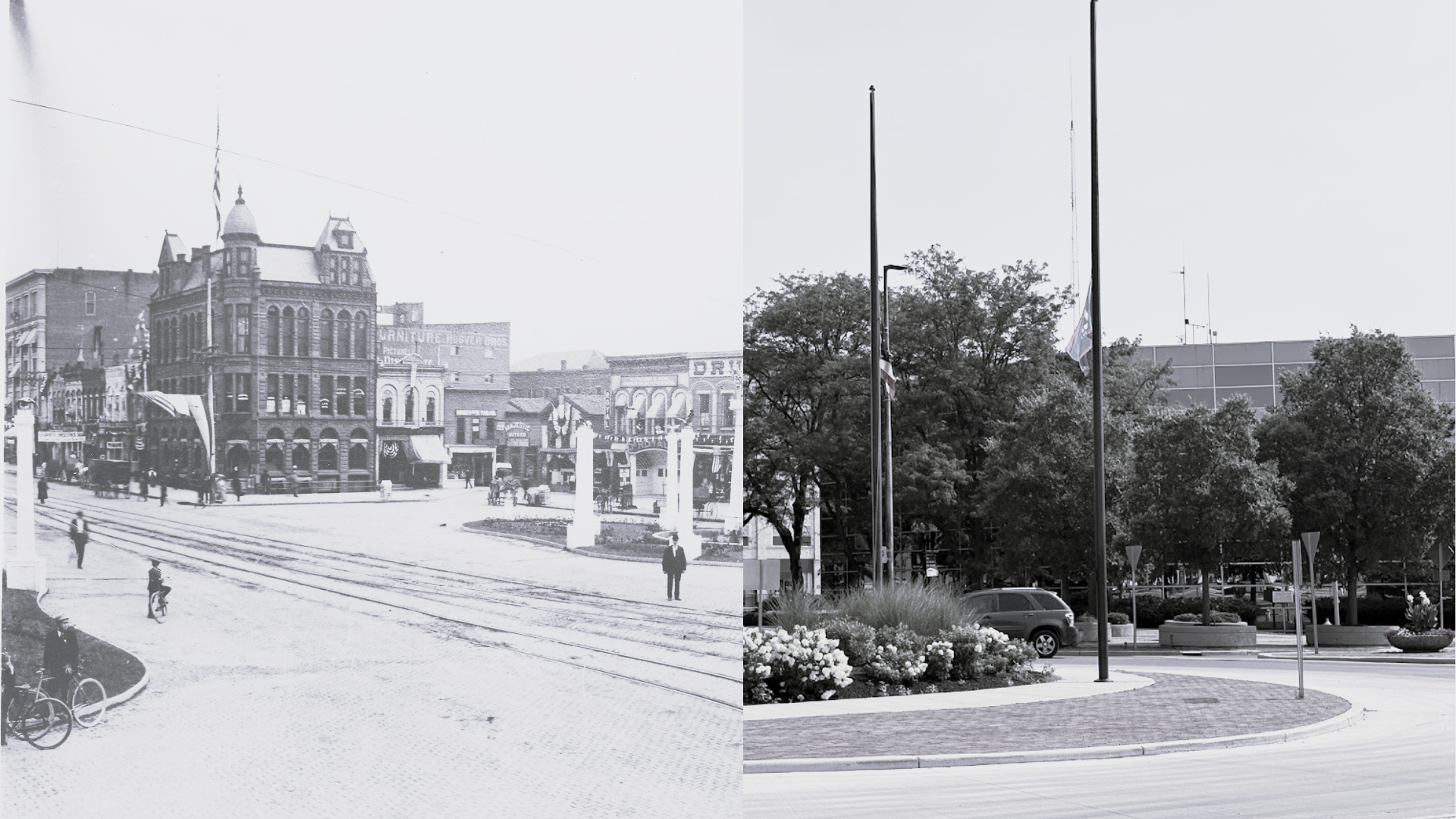
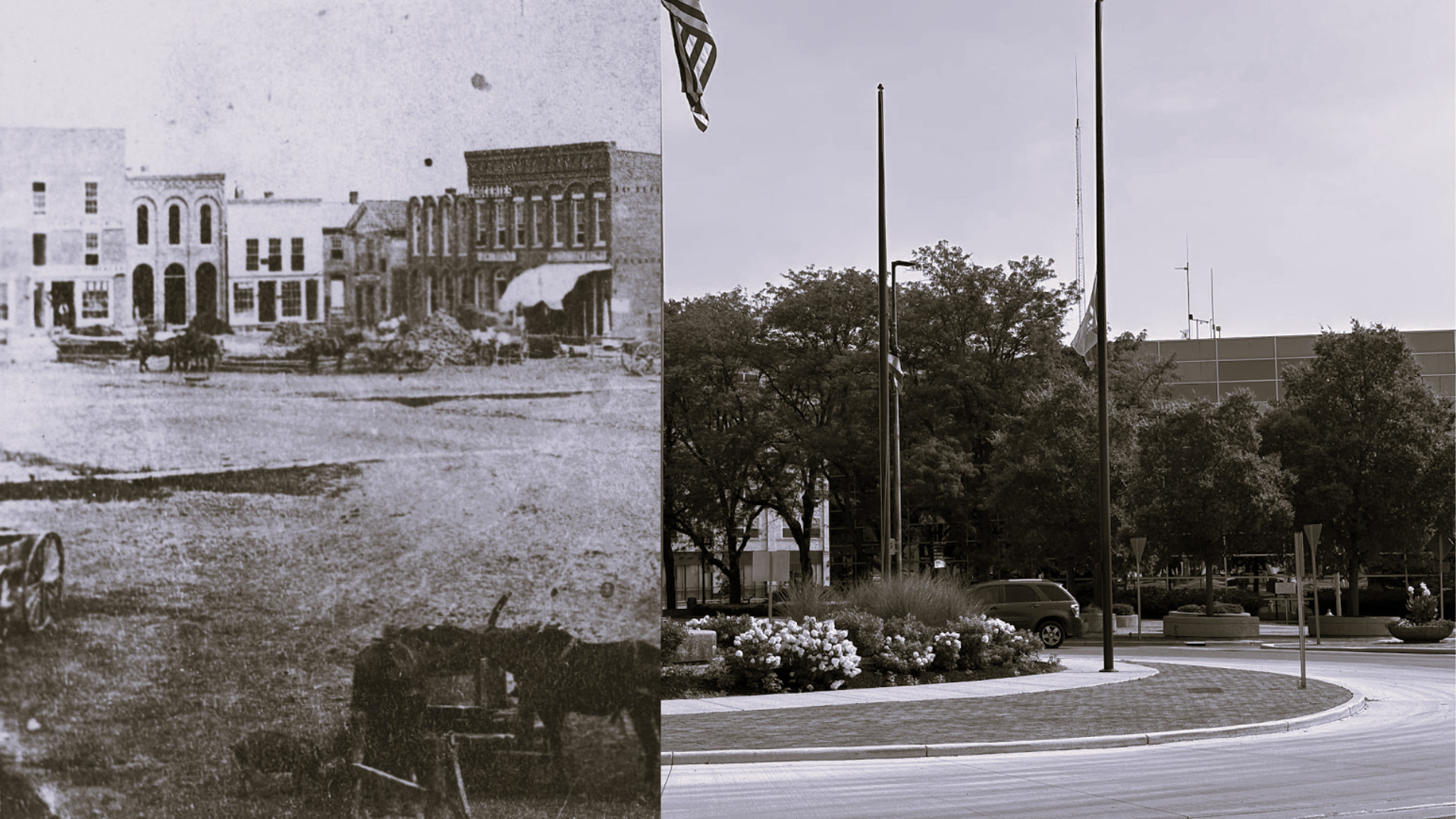
Faurot hired Oscar Cobb, a noted theater architect from Chicago, to design and oversee its construction. They broke ground on the northwest corner of Main St. & High St. on May 2, 1881. [6] The front of the building stretched 75’6” down Main St. while the High St. side was 203’8.5” across. The opera house’s grand entrance was on High St. and extended 105’ back into the middle of the block. [7] At the rear of the building was a back door through which the performers could exit and take a short walk over to the nearby Hotel Faurot located on the east side of the 200 block of N. Elizabeth St. [8] Originally intended to house the stars of the stage, the hotel was exceptionally modern and catered to a high class of visitors who found the electric lighting and steam heating rather luxurious. [9] The Lima Democratic Times praised Oscar Cobb for designing “the most beautiful and cozily-arranged bijou opera house” between Boston and Denver. [10] “Built of pressed brick,” the exterior of the building was extravagantly decorated with “ornamental stone trimmings, and surmounted with towers, pediments and other projecting reliefs giving the same bold, massive and pleasing effect.” Overall, its architecture was described as “medieval and French Renaissance, Americanized and slightly intermixed with Queen Anne.”[11] A magnificent iron balcony stood over the entrance, adorned with bronze statues including a trio who represented music, tragedy, and comedy. [12]
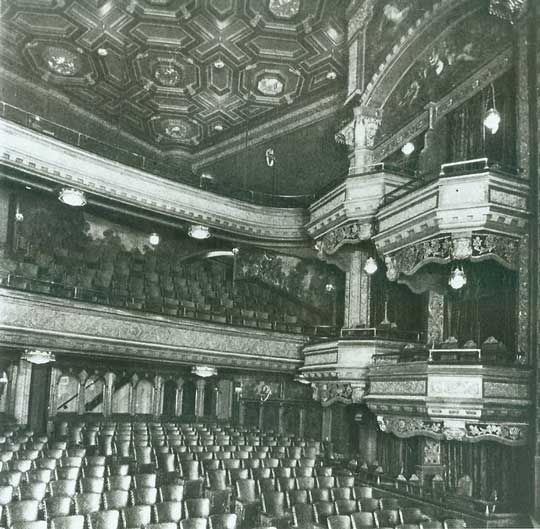
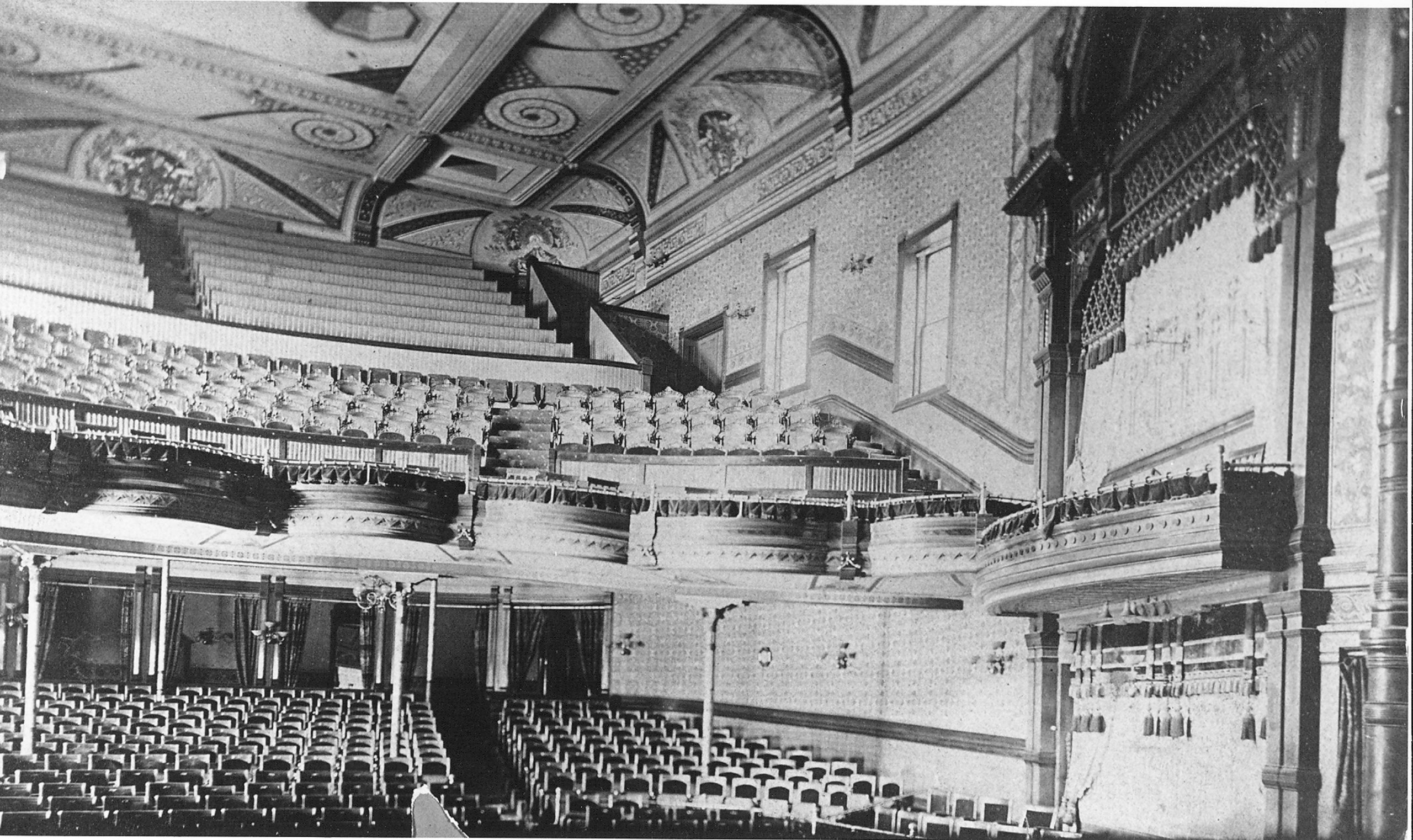
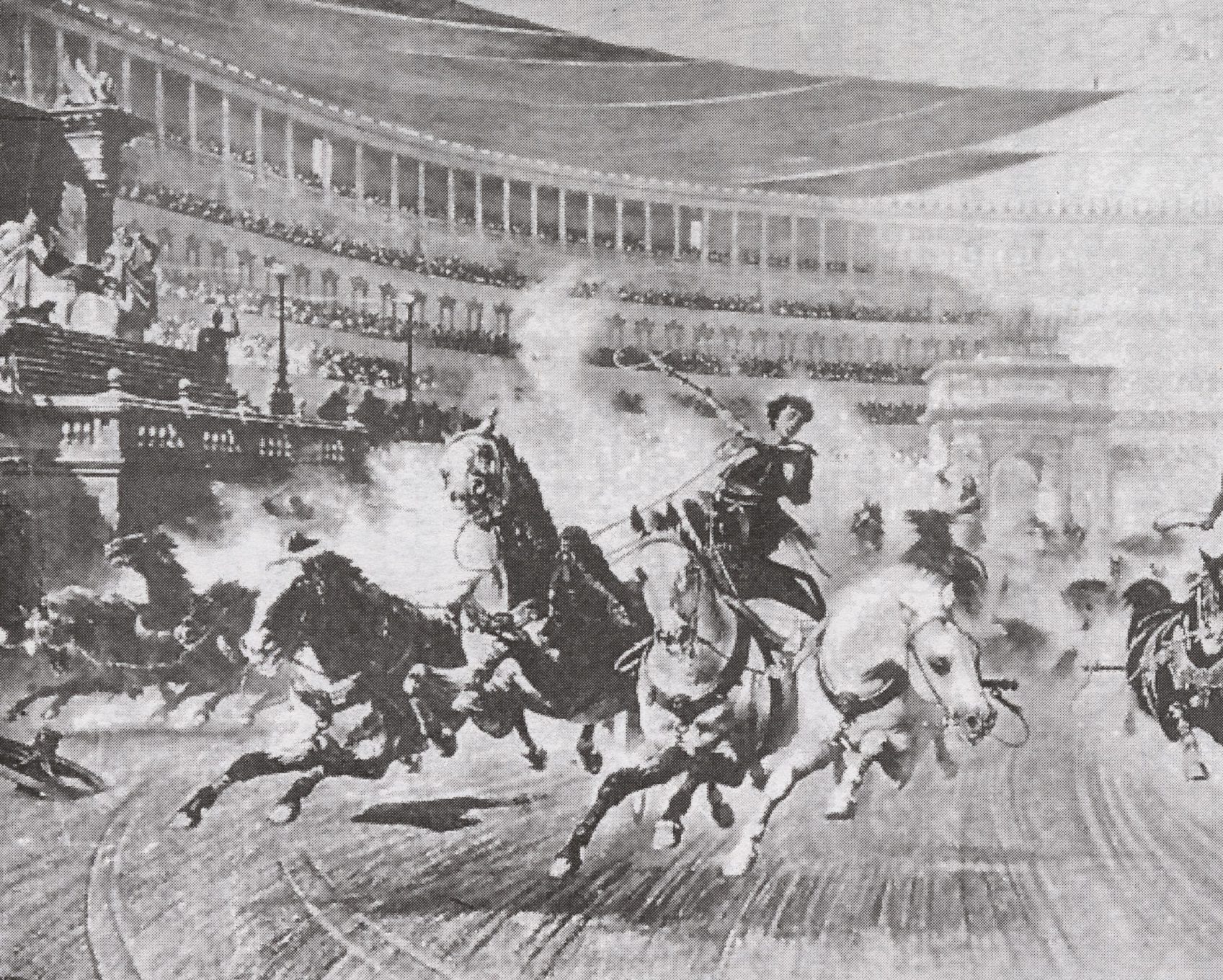
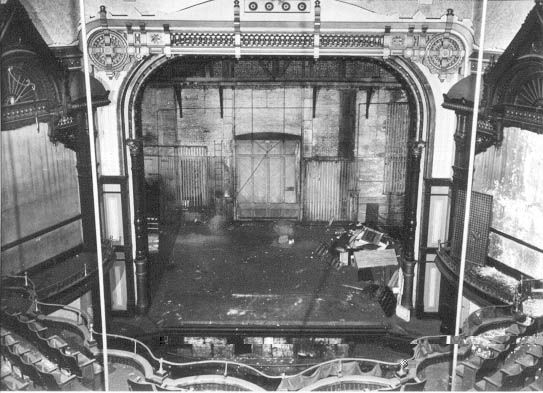
The interior of the opera house was also something to behold, featuring wall and ceiling frescos, fine tapestry carpets, costly drapes, and luxuriously patterned, movable seats. [13] The opera house seated 1,400 people. Along the sides of the wall on both levels were six balcony boxes. These were auctioned off in anticipation of opening night for $40 each to Lima notables such as Samuel A. Baxter and Calvin Brice.[14] The stage was 40’ by 65’, with a pit orchestra down below,[15] and its drop curtain depicted the thrilling chariot race scene from the novel Ben-Hur, painted by Cincinnati artist E. T. Harvey.[16] One former usher, Frank DeWeese, would later recall that Faurot’s was “the only theater between Pittsburgh and Chicago that could accommodate the large scenery carried by big road shows.”[17] An additional Ben Faurot endeavor was the 1884 completion of Lima’s first electric power plant at nearby 216 N. Elizabeth St., enabling him to replace the original gas lamps and illuminate the opera house in stunning electric lights.[18]
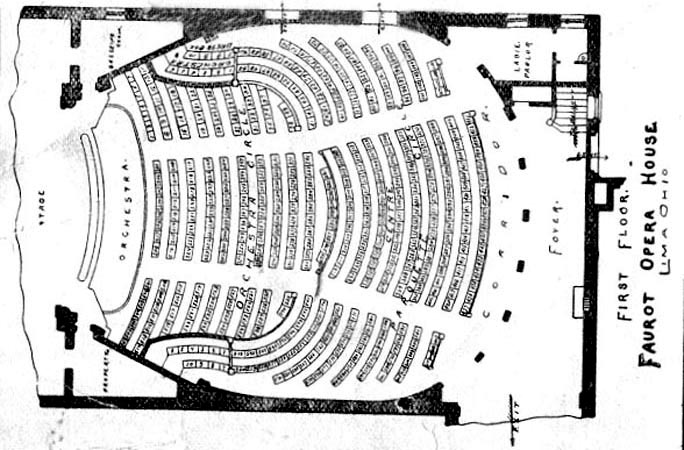
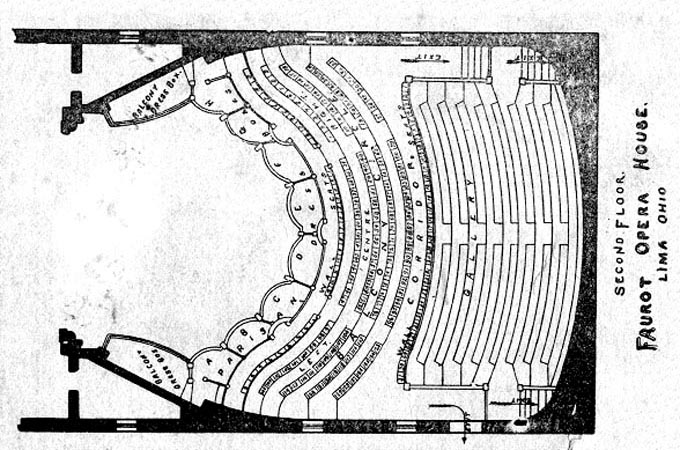
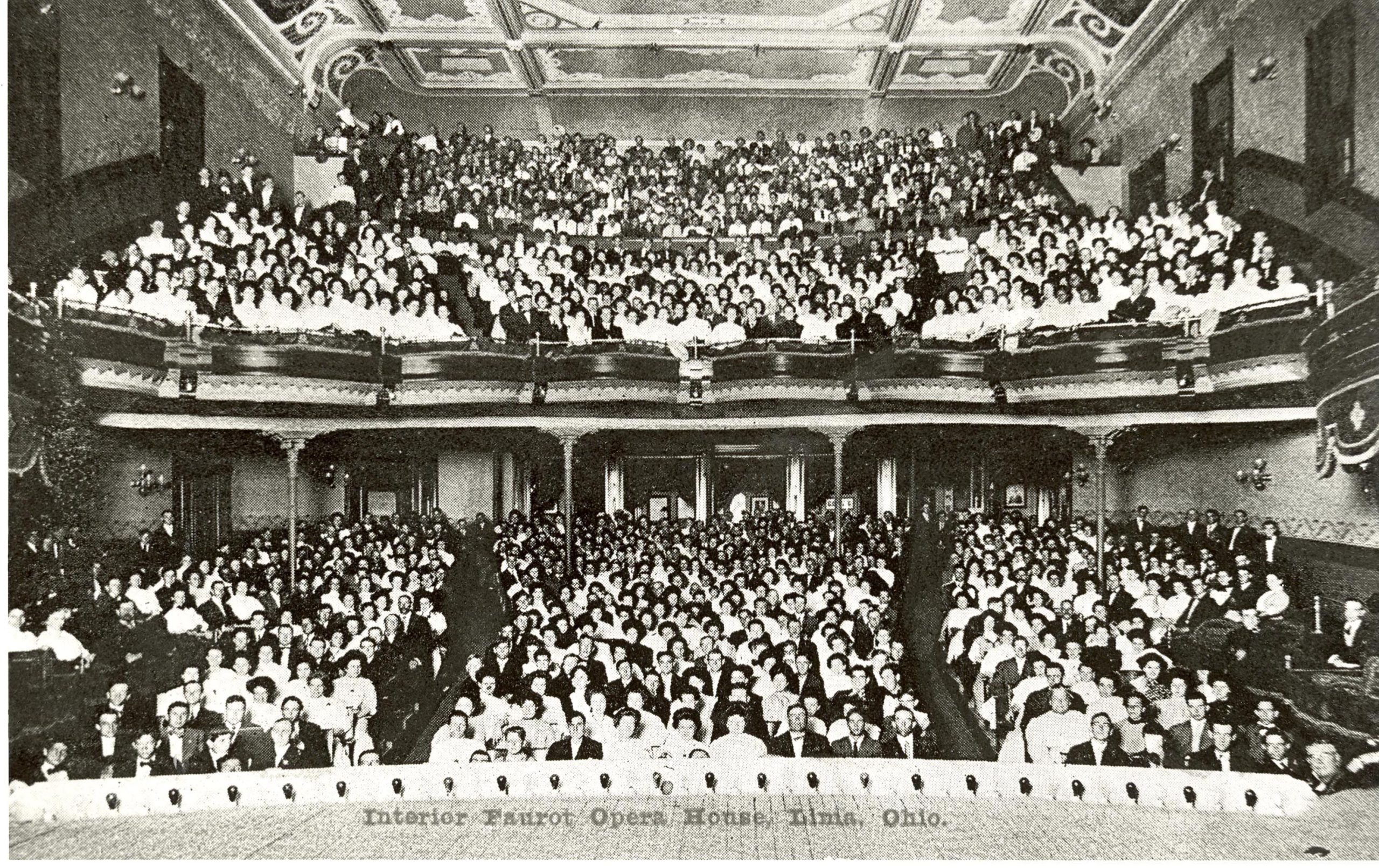
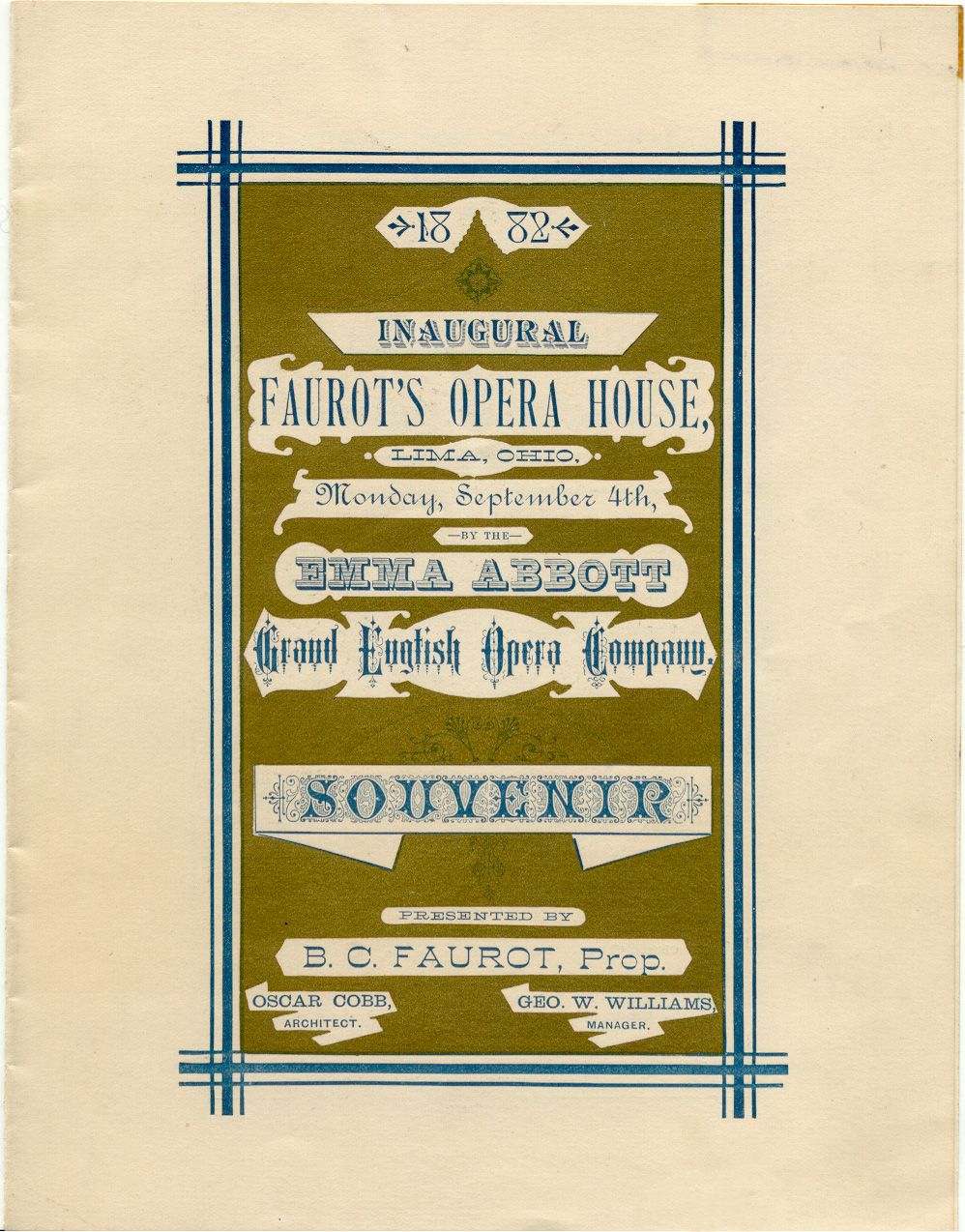
Opening night was held on September 4, 1882. Huge crowds filled the streets hoping to catch a glimpse of fashionable ladies and dapper gentlemen stepping out of their carriages and promenading into the opera house. [19] The first show was the comic opera King For A Day starring Emma Abbott, who affectionately dubbed the opera house “a fairy temple.” The troupe would perform three additional operas: Martha, The Chimes of Normandy, and Sonnambula, before leaving for the next town.[20] Over the decades the Faurot Opera House boasted a variety of high-profile shows: John Phillip Sousa’s band played in 1898, the Boston Grand Opera Company performed Il Trovatore in 1909, the St. Rose Opera Society with H. M. S. Pinafore in 1918,[21], and even a trained goat was trotted out once, “Billy the Royal Bumper” in 1886. [22]
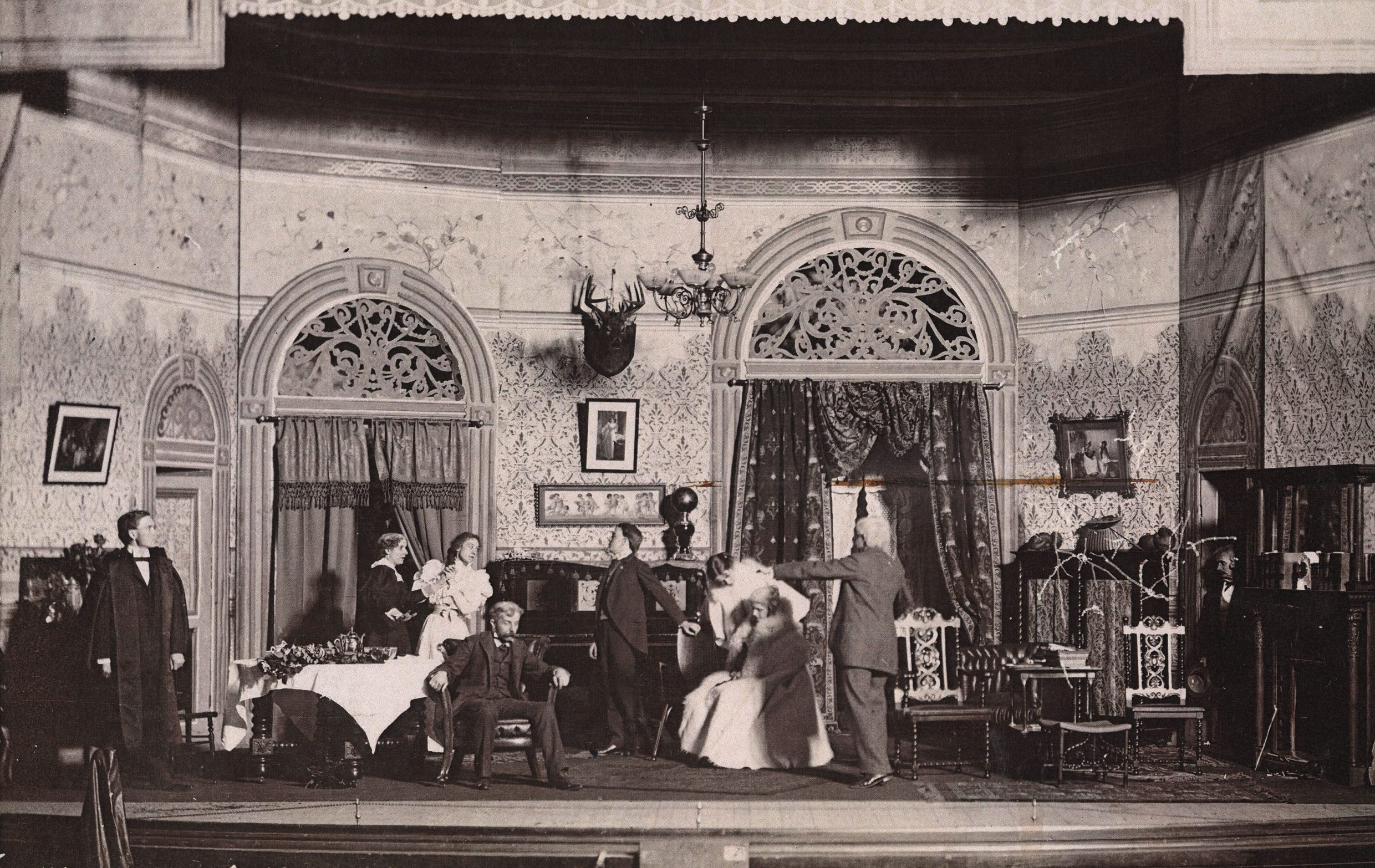
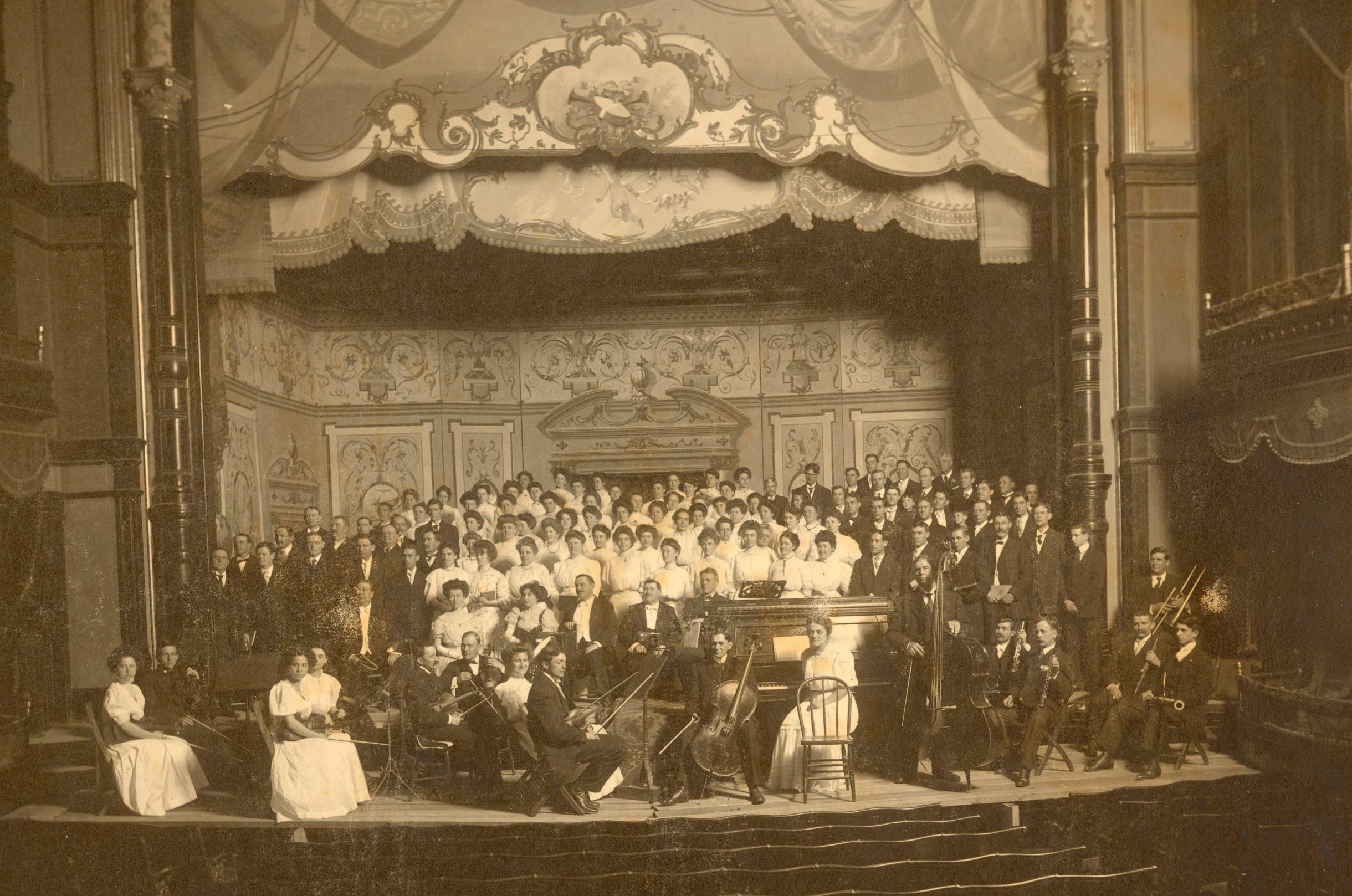
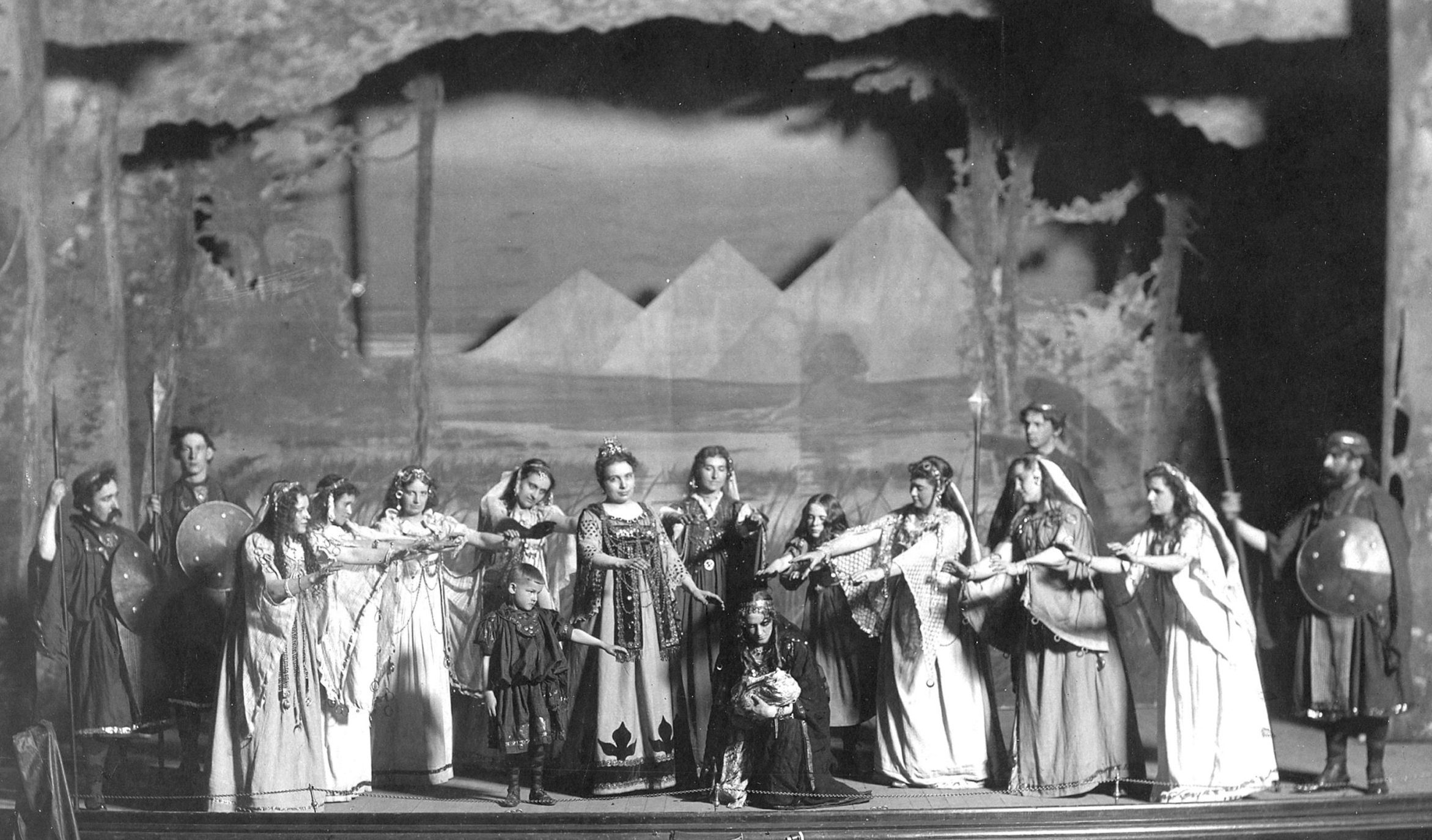
During his final years, Ben Faurot, one of Lima’s richest and most prominent citizens, sadly lost his fortune on bad railroad and bank investments and died a poor man in 1904. Before Faurot died, the block was bought by John D. Rockefeller who owned it shortly until it was sold to local oil producers Frank and Edward Maire in 1905. [23] The Maire brothers refurbished the building and by 1906, films or “motion pictures” were occasionally shown there, along with the typical minstrel shows and vaudeville acts. [24] As usual, traditional stage plays continued during this time. The 1921 History of Allen County states:
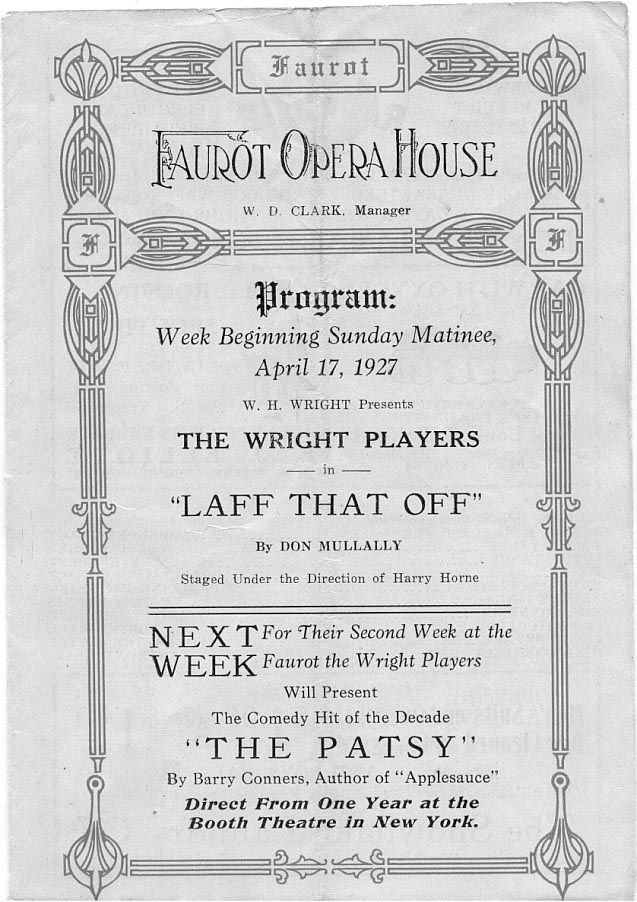
In 1927, the Wright Players, which at the time included a newcomer—Spencer Tracy before he hit the big screen—arrived to entertain Lima audiences over a span of ten weeks with a repertoire that included romantic comedies to mystery-thrillers. [26] In 1931 and 1932, local legend Valaire Orchard performed at the opera house as a child star under her stage name, Baby Valaire. [27] Ultimately, due to the Great Depression and competition from local modern movie theaters, the Faurot Opera House closed its doors in 1934.
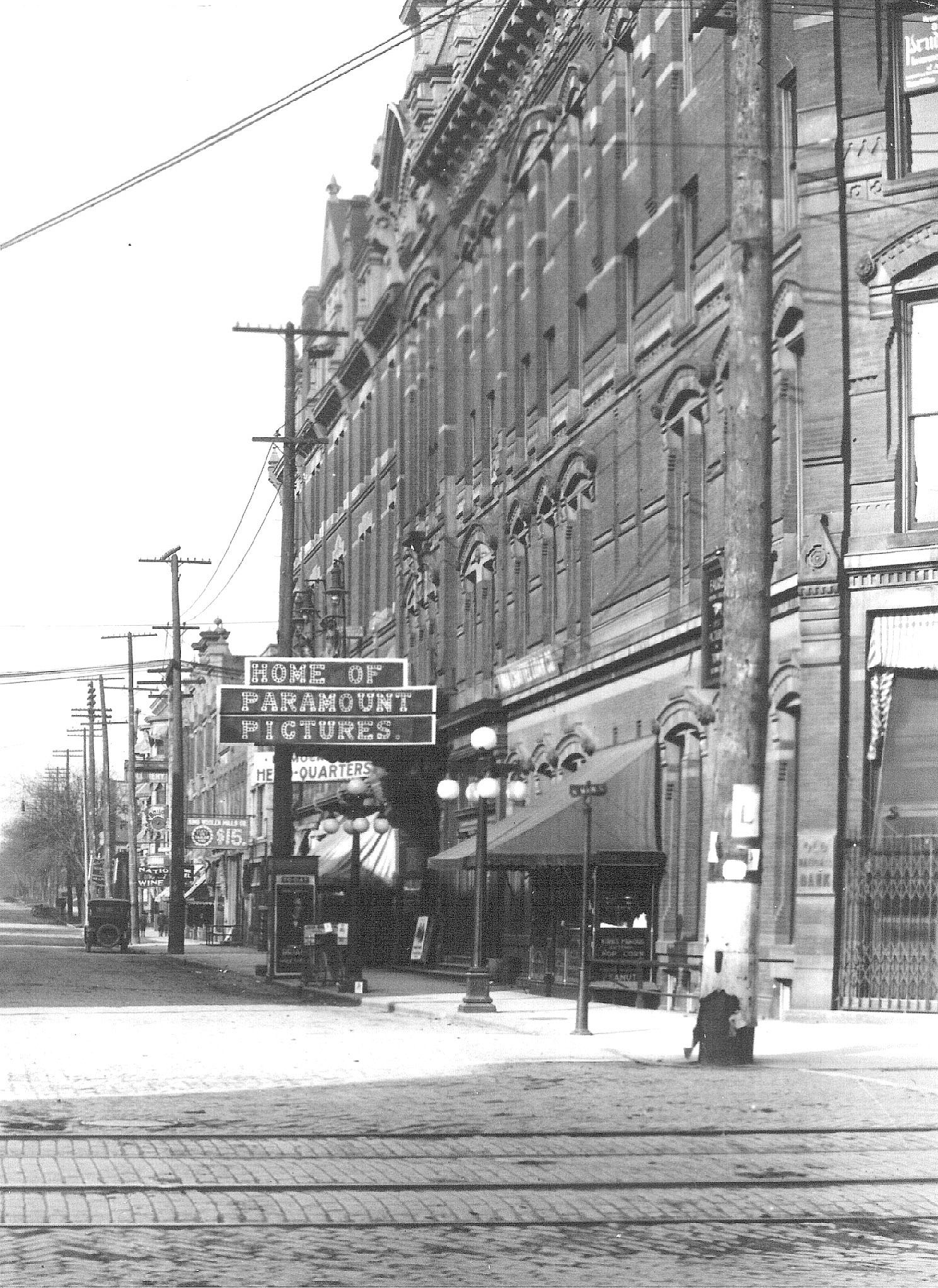
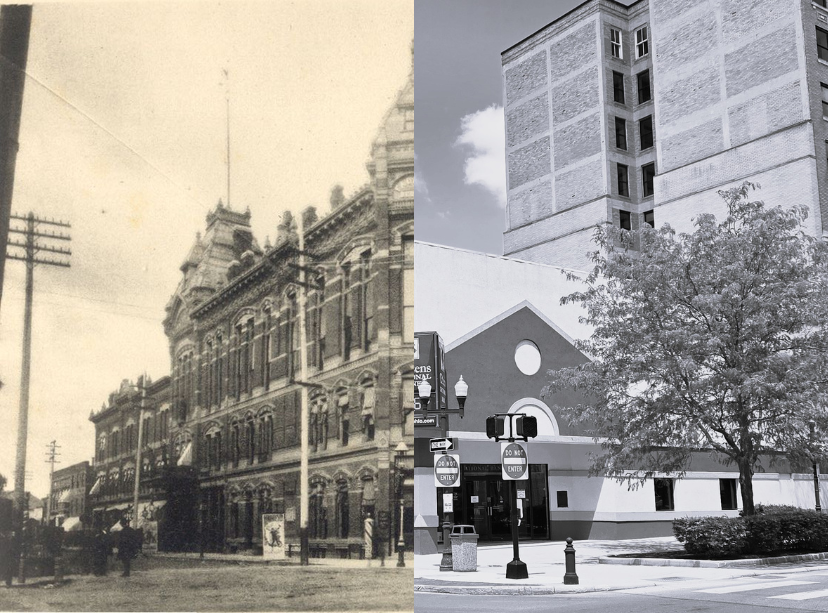
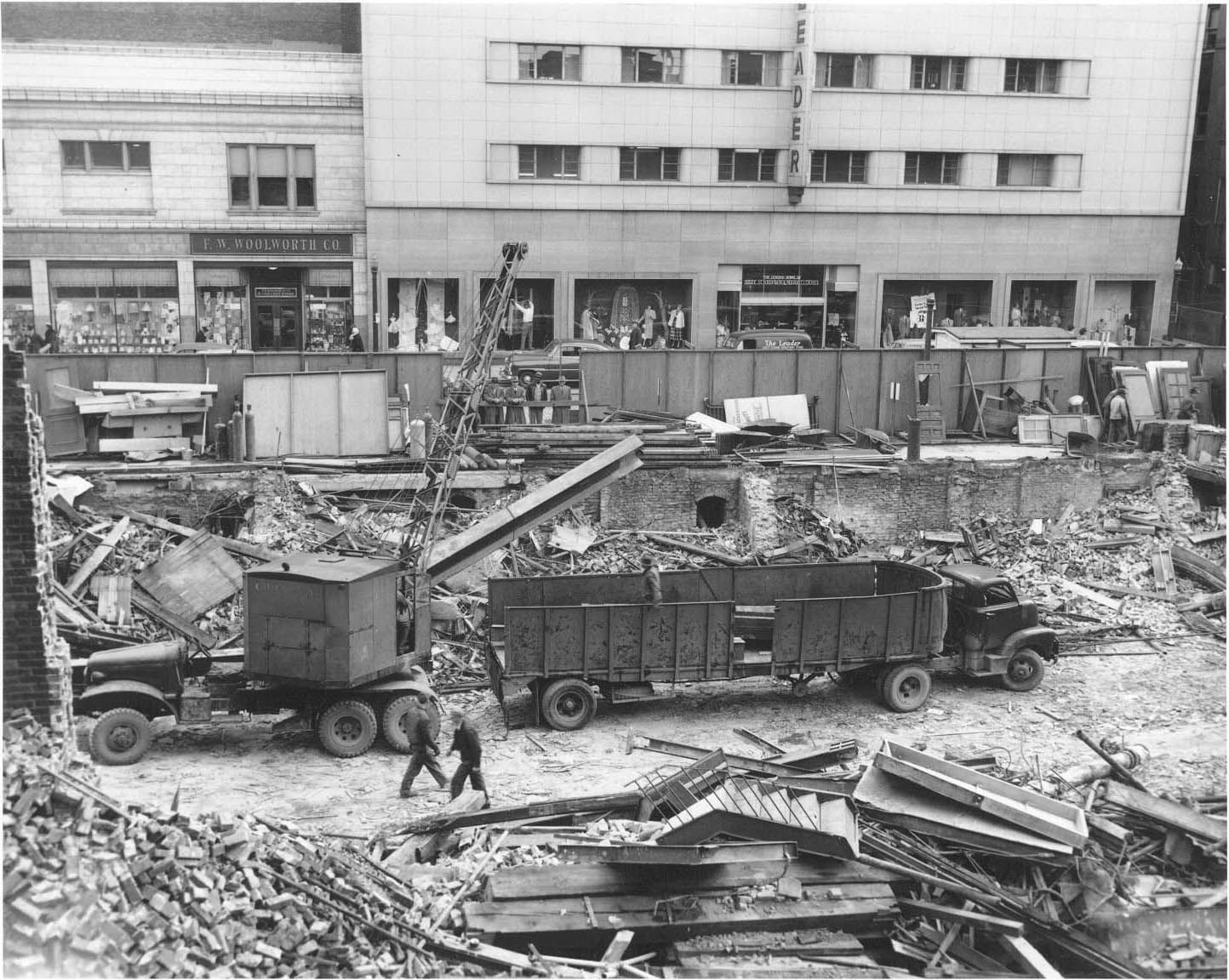
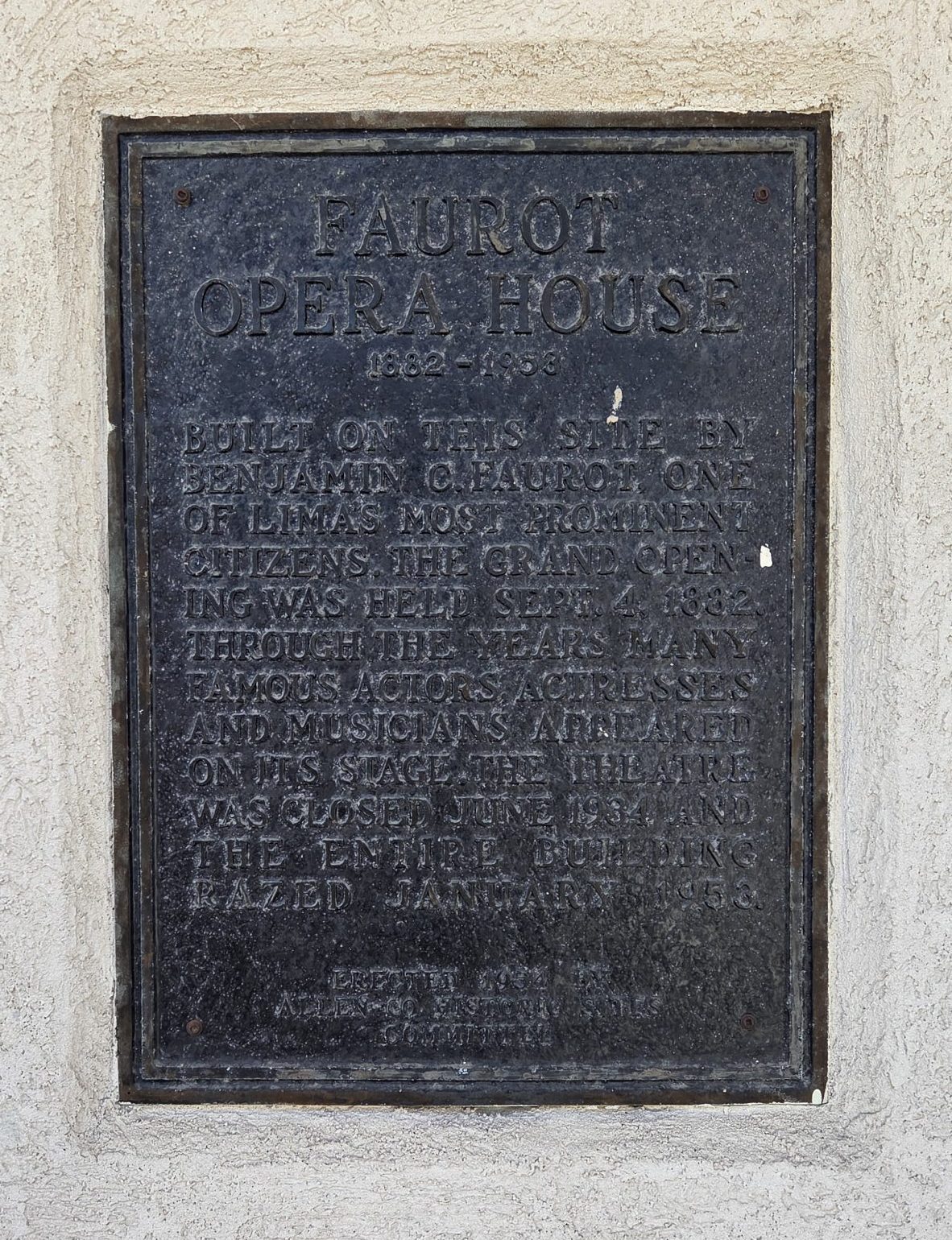
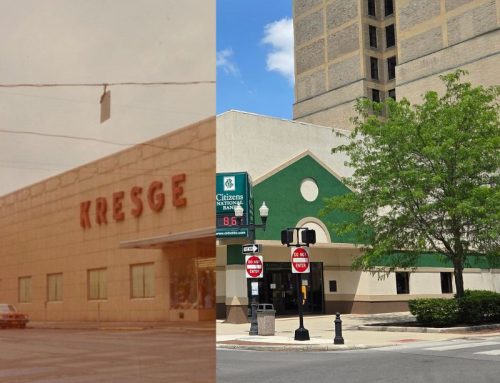
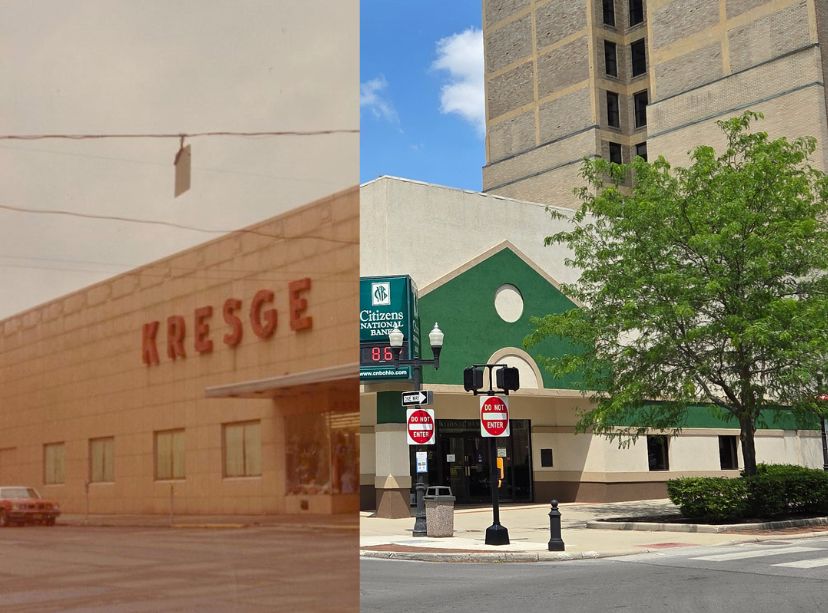
Starting in 1946, Kresge’s leased the first floor of the opera house for their discount store, but announced it had plans for a more modern building- which we will cover in our next newsletter. [28] The block was razed to the ground in early 1953, while many of Lima’s other old Gilded Age buildings were disappearing. [29] Yet fond memories of the Faurot Opera House remained in the hearts of Lima’s citizens long after the curtain call. Today, if you visit the Citizens National Bank on the Northwest corner of Main St. and High St., you will find a plaque on the front of the building marking the former location of the Faurot Opera House, a reminder of Lima’s extravagant Gilded Age past.
[1] Huffman, Marilyn Rex, Remembering When: Tales of the Faurot Opera House, The Allen County Reporter, Vol. LVIV, 2003, No. 1., 11 & https://www.in2013dollars.com/us/inflation/1882?amount=225000
[2] Williams. George W., “The Opera House Program” Lima Democratic Times office [4 Sept. 1882], 1
[3] Porter, Dr. Susan L. King for a Day: the Faurot Opera House in the City of Lima, Ohio, the Allen County Reporter, Vol. XXXXIII, 1987, No. 1., 12-16
[4] Huffman, Marilyn Rex, Remembering When: Tales of the Faurot Opera House, The Allen County Reporter, Vol. LVIV, 2003, No. 1., 16
[5] Ibid, 3
[6] Ibid
[7] Ibid
[8] Hoersten, Greg. “Grand Hotel Faurot.” The Lima News, December 9, 2015, sec. Reminisce.
[9] Ibid
[10] Williams. George W., “The Opera House Program” Lima Democratic Times office [4 Sept. 1882], 1
[11] Ibid
[12] Huffman, Marilyn Rex, Remembering When: Tales of the Faurot Opera House, The Allen County Reporter, Vol. LVIV, 2003, No. 1., 3
[13] Williams. George W., “The Opera House Program” Lima Democratic Times office [4 Sept. 1882], 1
[14] Huffman, Marilyn Rex, Remembering When: Tales of the Faurot Opera House, The Allen County Reporter, Vol. LVIV, 2003, No. 1., 5, 13
[15] Porter, Dr. Susan L. King for a Day: the Faurot Opera House in the City of Lima, Ohio, the Allen County Reporter, Vol. XXXXIII, 1987, No. 1., 7
[16] Huffman, Marilyn Rex, Remembering When: Tales of the Faurot Opera House, The Allen County Reporter, Vol. LVIV, 2003, No. 1., 9
[17] Ibid, 27
[18] Ibid, 7, 26
[19] Ibid, 17
[20] Porter, Dr. Susan L. King for a Day: the Faurot Opera House in the City of Lima, Ohio, the Allen County Reporter, Vol. XXXXIII, 1987, No. 1., 22
[21] Ibid, 24
[22] Ibid
[23] Ibid, 26
[24] Robert M. Farmer, “Music, Theater, Art,” chapter, in The 1976 History of Allen County, Ohio (Evansville, IN: Unigraphic Inc., 1976), 638.
[25] A Standard History of Allen County, Ohio. Chapter XLIII: Theaters – Moving Pictures. 1921. Volume I.
[26] Kincaid, Kim “Another Era Ended for Downtown Lima,” Reminisce. The Lima News. September 18, 1996
[27] Lackey, Mike, 10 Weeks at the Faurot Opera House, the Allen County Reporter, Vol. LXXVII, 2022, No. 1
[28] Stark, Marilyn R. A Pictorial History of Lima/Allen County, Ohio. 1993. The Donning Co. Publishers, 131
[29] Porter, Dr. Susan L. King for a Day: the Faurot Opera House in the City of Lima, Ohio, the Allen County Reporter, Vol. XXXXIII, 1987, No. 1., 22













Leave A Comment